

Over more than a decade of hands-on testing, CleverHiker has used dozens of sleeping pads across thru-hikes, multi-day backpacking trips, winter camps, desert routes, alpine terrain, and quick overnights. This guide brings those experiences together with our current side-by-side scoring so you can match the right pad to your priorities.
Editor’s Note: We updated this guide on September 17, 2026 after refreshing the individual reviews, auditing current specifications, and reconciling every product score against our backpacking sleeping pad ranking sheet.
How We Test Backpacking Sleeping Pads
Our team evaluates backpacking sleeping pads across five core metrics: comfort, weight, durability, warmth, and ease of setup. We also consider value, but value is not a separate numerical score.
We test pads in real backcountry conditions, not just at home. That includes long trails, shoulder-season trips, cold-weather camps, high-mileage routes, and repeated use over months or years. We compare field performance with manufacturer specifications, record our own measurements where appropriate, and keep the category scores separate so one standout strength does not erase a meaningful weakness.
And for more info, check out some of our other most popular gear guides:

#1. Best Backpacking Sleeping Pad Overall
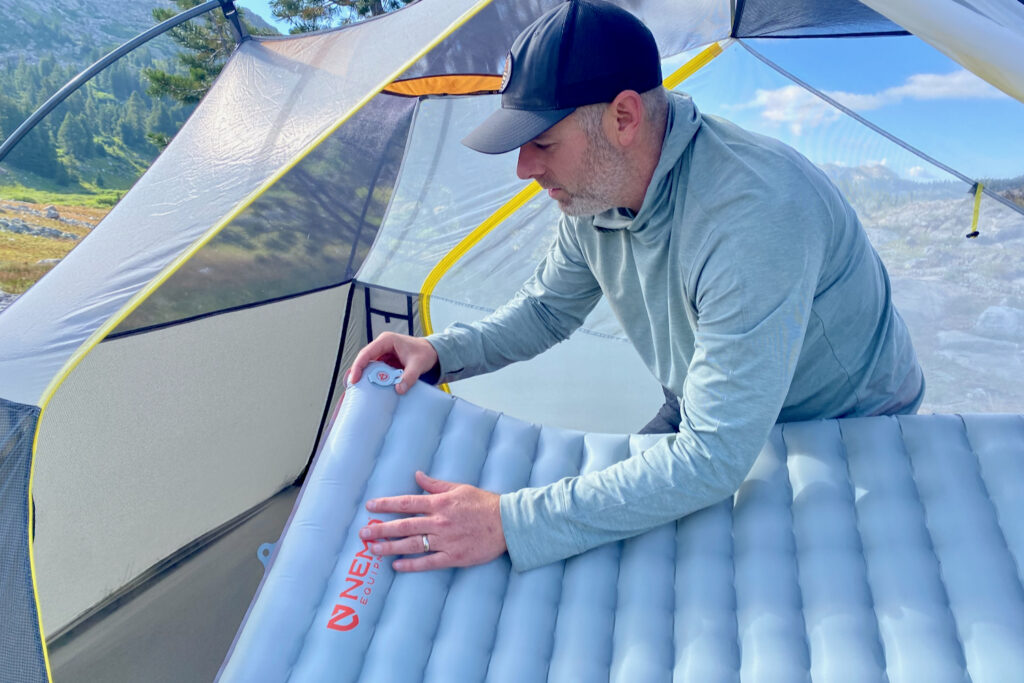
The NEMO Tensor All-Season is our best overall backpacking sleeping pad. It pairs 3.5-inch cushioning and a 5.4 R-value with low weight, quiet materials, and a fast pump-sack system; after more than 29 backcountry nights down to about 23°F, our test pad had no leaks, valve issues, or notable wear.

Quick Picks for Backpacking Sleeping Pads
Check out this quick list of our favorite sleeping pads, or continue scrolling to see our full list with in-depth reviews.
1. Best Backpacking Sleeping Pad Overall: NEMO Tensor All-Season ($200)
2. Best Backpacking Sleeping Pad Runner Up: Therm-a-Rest NeoAir XLite NXT ($210)
3. Best Cold-Weather Backpacking Sleeping Pad: Exped Ultra 6.5R ($200)
4. Best Winter Backpacking Sleeping Pad: Therm-a-Rest NeoAir XTherm NXT ($230)
5. Most Comfortable Backpacking Sleeping Pad: Therm-a-Rest NeoLoft ($250)
6. Affordable & Versatile Sleeping Pad: Big Agnes Divide Insulated ($130)
7. Comfortable & Durable Sleeping Pad: Sea to Summit Ether Light XR Insulated ($200)
8. Comfortable & Affordable Pad with Side Rails: Big Agnes Rapide SL Insulated ($170)
9. Best Foam Sleeping Pad: NEMO Switchback ($60)
10. Quiet Pad with Excellent Warmth-to-Weight Ratio: Big Agnes Zoom UL ($200)
11. Budget-Friendly Foam Sleeping Pad: Therm-a-Rest Z Lite Sol ($60)
12. Lightest Sleeping Pad: NEMO Tensor Elite ($250)
13. Best Backpacking Sleeping Pad Add-On: Gossamer Gear Thinlight ($32)
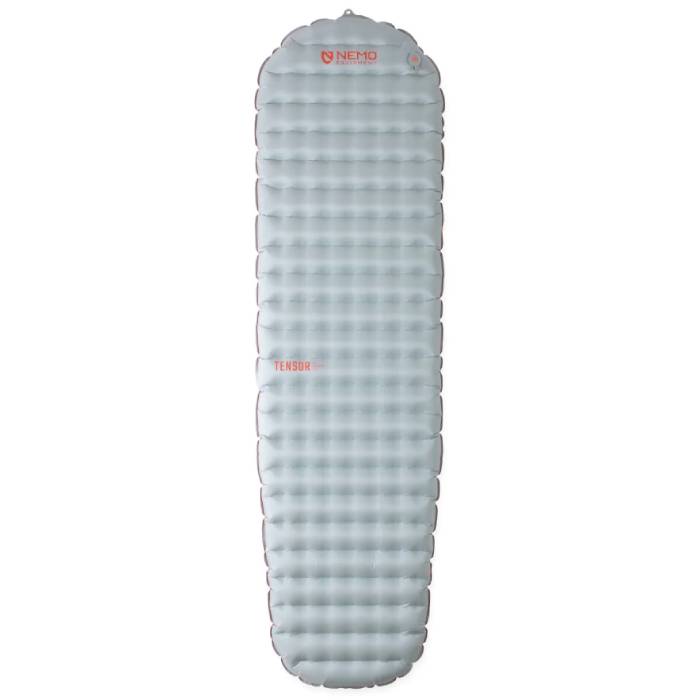
NEMO Tensor All-Season
Best Backpacking Sleeping Pad Overall
CleverHiker Rating: 4.7/5.0
Price: $200
Weight: 14.1 oz., Regular Mummy
R-Value: 5.4
Thickness: 3.5 in.
Packed Size: 4 x 10 in.
Pros
- Exceptionally comfortable
- Excellent warmth-to-weight balance
- Very lightweight for an R-5.4 pad
- Vortex pump sack is fast and easy to use
- Quick, simple deflation and packing
- Quiet for an insulated air pad
- Tougher 40D fabric on the bottom
- Excellent durability throughout our testing
- Wide range of sizes and shapes
Cons
- Not the absolute lightest ultralight option
- Premium price compared with entry-level pads
- Not our first choice as a stand-alone pad for severe winter conditions
- 20D top requires normal care around sharp objects and animal claws
The NEMO Tensor All-Season is our best overall backpacking sleeping pad because it makes very few meaningful compromises. At 14.1 ounces for the Regular Mummy, it is light enough for long-distance trips, while its 5.4 R-value and 3.5-inch thickness deliver more warmth and cushioning than many pads in the same weight class.
Our primary tester used the Long Wide rectangular version for more than 29 backcountry nights, from summer conditions to light snow around 23°F. It came through that testing without leaks, valve problems, noticeable abrasion, or other durability issues. NEMO’s Vortex pump sack and quick-deflating Laylow valve also make daily setup and pack-up easier than with the XLite NXT.
This is the pad we would choose for frequent backpackers who want one premium option for the widest range of normal trips. It is slightly more comfortable, warmer, and easier to use than the XLite NXT, though the XLite saves 1.1 ounces.
Choose the XTherm NXT instead for sustained winter conditions, or the Rapide SL if comfort and a lower price matter more than weight. Occasional backpackers may not get enough value from the Tensor’s $200 price.

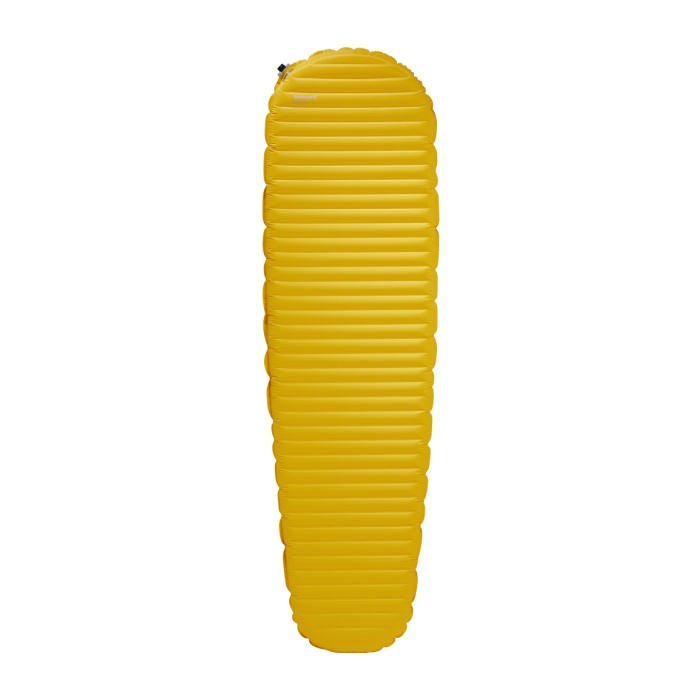
Therm-a-Rest NeoAir XLite NXT
Best Backpacking Sleeping Pad Runner Up
CleverHiker Rating: 4.6/5.0
Price: $210
Weight: 13 oz., Regular
R-Value: 4.5
Thickness: 3 in.
Pros
- Excellent warmth-to-weight ratio
- Very lightweight
- Comfortable for the weight
- Proven durability
- Highly packable
- Much quieter than previous XLites
- Multiple size options
Cons
- Pricey for occasional backpackers
- Pump sack is below average
- Slower to fully deflate than dump-valve pads
- Not our first choice for true winter camping
The Therm-a-Rest NeoAir XLite NXT is the strongest choice for backpackers who want proven three-season performance at the lowest practical weight. The Regular weighs 13 ounces and carries a 4.5 R-value, giving it an exceptional warmth-to-weight ratio for high-mileage trips and shoulder-season use.
Our XLite experience spans hundreds of nights and thousands of trail miles, including the Arizona Trail and snowy nights on the Grand Sawtooth Loop. The current NXT version is much quieter than older XLites, durable for its weight, and comfortable enough for side, back, and stomach sleepers.
Choose the XLite over the Tensor All-Season when every ounce matters. The Tensor is slightly warmer, more comfortable in our testing, and easier to inflate and fully deflate, but the XLite preserves excellent insulation while trimming 1.1 ounces.
For sustained winter use, move up to the XTherm NXT. Comfort-first sleepers should consider the Ether Light XR or NeoLoft, while the Zoom UL offers a roomier rectangular shape at a similarly low weight.
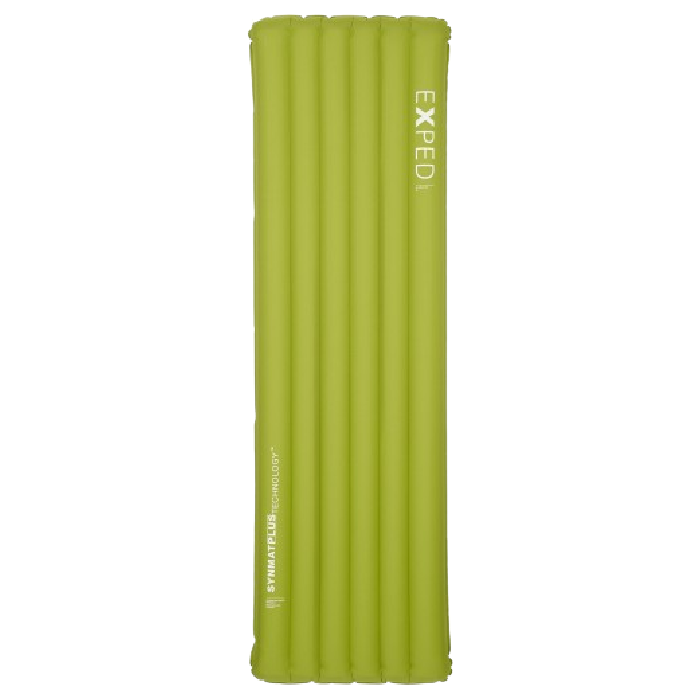
Exped Ultra 6.5R
Best Cold-Weather Backpacking Sleeping Pad
CleverHiker Rating: 4.5/5.0
Price: $200
Weight: 16.2 oz., Medium, CleverHiker measured
R-Value: 6.9
Thickness: 3.5 in.
Pros
- Excellent warmth
- Very comfortable for side sleepers
- Supportive vertical baffles and raised side rails
- Easy inflation with included pump sack
- Many size options
- Reasonable weight for the warmth
- Easy to roll and pack
Cons
- Not the lightest option
- 20D fabric requires more care than our durability leaders
- Underside valve placement can be awkward
- More insulation than many warm-weather backpackers need
The Exped Ultra 6.5R is our favorite cold-weather pad for sleepers who want serious insulation without giving up a soft, roomy surface. Its 6.9 R-value, 3.5-inch thickness, vertical baffles, and raised side rails are especially comfortable for side sleepers who find firm winter pads unforgiving.
We tested it on a weeklong Grand Canyon trip and during chilly Rocky Mountain overnights. The included Schnozzel pump bag inflated the large rectangular pad quickly, and the 16.2-ounce measured weight is reasonable for this much warmth and cushioning.
The Ultra 6.5R is the better fit than the XTherm NXT for cold sleepers who prioritize a plush feel. Its 20D center fabric needs normal care, however, and it is neither the lightest nor the toughest cold-weather option here.
Choose the XTherm NXT for true deep-winter trips and a better warmth-to-weight ratio. Choose the Divide Insulated if price matters more than maximum warmth, or the NeoLoft if mattress-like comfort is the priority and weight is secondary.
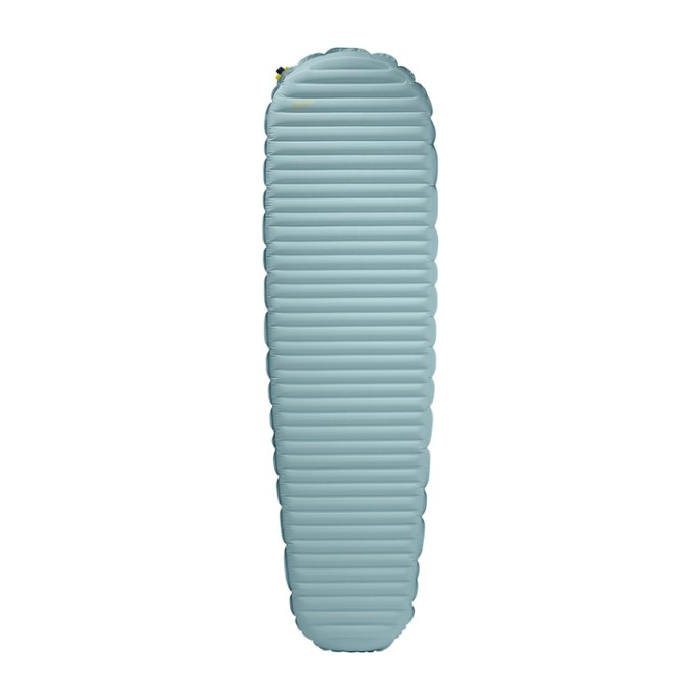
Therm-a-Rest NeoAir XTherm NXT
Best Winter Backpacking Sleeping Pad
CleverHiker Rating: 4.5/5.0
Price: $230
Weight: 16 oz., Regular, CleverHiker measured
R-Value: 7.3
Thickness: 3 in.
Pros
- Excellent warmth-to-weight ratio
- Our favorite dedicated winter sleeping pad
- Very durable for an inflatable pad
- Comfortable three-inch cushioning
- Supportive horizontal baffles
- Highly packable for the insulation
- Many size options
- Quieter than older XTherm generations
Cons
- More insulation and weight than most summer backpackers need
- Pump sack is less efficient than our favorites
- Slower to fully deflate than pads with dump valves
- Pricey for occasional or warm-weather backpackers
The Therm-a-Rest NeoAir XTherm NXT is the winter pad we trust most when frozen ground, snow, and sustained cold are part of the plan. Its 7.3 R-value is the highest in this lineup, yet our Regular test pad weighed only 16 ounces and packed remarkably small for a four-season model.
Our testing covered cold, snowy, high-elevation, and desert conditions. The firm horizontal baffles provide stable support, and the 70D bottom adds useful durability where a winter pad is most likely to meet rough ground.
The XTherm’s biggest advantage is warmth efficiency, not plushness. The Exped Ultra 6.5R feels softer and more forgiving for side sleepers, while the XTherm’s pump sack, slower inflation and deflation, and slight crinkle are less polished than the best everyday systems.
Choose the XTherm for dedicated winter use. If most of your trips run from spring through fall, the Tensor All-Season or XLite NXT will cost less, feel less specialized, and still provide ample three-season warmth.
Therm-a-Rest NeoLoft
Most Comfortable Backpacking Sleeping Pad
CleverHiker Rating: 4.4/5.0
Price: $250
Weight: 27.5 oz., CleverHiker measured
R-Value: 4.7
Thickness: 4.6 in.
Pros
- Most comfortable pad in our current lineup
- Excellent for side sleepers
- Very thick, supportive cushioning
- Soft stretch-knit sleeping surface
- Raised sidewalls help keep sleepers centered
- Strong durability for an inflatable pad
- Easy-to-use twist valve
- Large pump sack and roomy stuff sack
Cons
- Heavy for backpacking
- Too bulky and heavy for most ultralight hikers
- Not insulated enough for true winter use
- Pricey for occasional backpackers
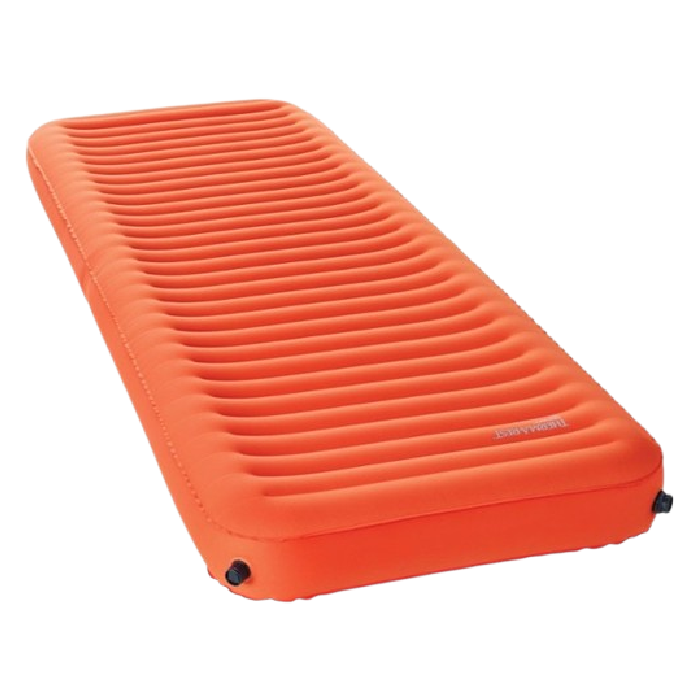
The Therm-a-Rest NeoLoft is the most comfortable backpacking sleeping pad in this lineup. Its 4.6-inch profile, broad rectangular shape, stretch-knit top, and body-conforming sidewalls create a mattress-like surface that is especially forgiving for side sleepers with sensitive hips or shoulders.
We tested the NeoLoft on backpacking trips, car-camping nights, at home, and on snow in Colorado. Across those uses, its cushioning, easy inflation, durable construction, and 4.7 R-value made it feel more like a compact camp mattress than a traditional lightweight pad.
That comfort comes with the clearest weight penalty in the inflatable lineup: our test pad weighed 27.5 ounces. It is a poor match for ultralight or high-mileage trips, but it can be worth carrying when sleep quality matters more than pace.
Choose the NeoLoft for shorter-mileage trips and maximum cushioning. The Tensor All-Season is the better one-pad balance of comfort, warmth, and weight; the Ether Light XR preserves a soft feel at a lower weight; and the XTherm NXT is the stronger winter tool.
Big Agnes Divide Insulated
Affordable & Versatile Backpacking Sleeping Pad
CleverHiker Rating: 4.4/5.0
Price: $130
Weight: 23.5 oz., CleverHiker measured
R-Value: 4.0
Thickness: 3.25 in. center / 3.5 in. outer chambers
Pros
- Excellent value
- Good three-season warmth
- Durable for an inflatable pad
- Raised side rails help keep sleepers centered
- Easy dual-valve setup
- Many size options
- Rectangular sleeping surface
Cons
- Heavy compared with premium lightweight pads
- Vertical baffles may not suit side sleepers
- Tight stuff sack makes packing fussy
- Not intended for true winter use
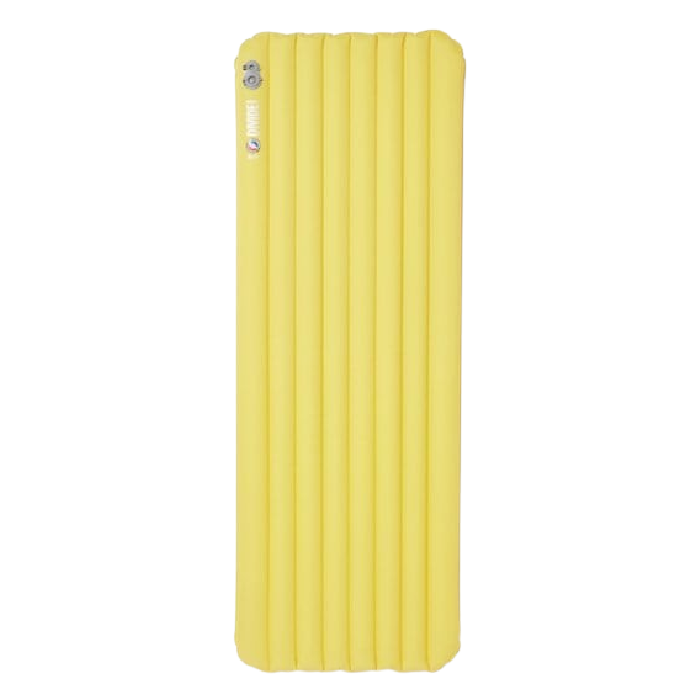
The Big Agnes Divide Insulated is our favorite affordable all-around inflatable. At $130, it delivers useful three-season warmth, dependable durability, straightforward setup, and respectable comfort for far less than the premium leaders.
We tested it for more than a dozen nights in Colorado from spring conditions through snow. Its 3.25-inch center and taller outer chambers create a supportive, hammock-like feel, while the 4.0 R-value covers typical three-season trips. The pad held up well, although its tight stuff sack made packing more tedious than setup.
The Divide makes the most sense for newer backpackers and value-focused buyers who want one capable pad without spending $200. Its vertical I-beams are a matter of preference, and some side sleepers may prefer a flatter surface or deeper cushioning.
Weight is the central compromise: our test pad weighed 23.5 ounces. Choose the Rapide SL for a warmer, lighter, more comfort-focused Big Agnes option; choose the Tensor All-Season when lower weight and broader performance justify the higher price.

Sea to Summit Ether Light XR Insulated
Comfortable & Durable Sleeping Pad
CleverHiker Rating: 4.4/5.0
Price: $199
Weight: 18.7 oz., Regular, CleverHiker measured
R-Value: 4.1
Thickness: 3.9 in.
Pros
- Very comfortable Air Sprung Cell design
- Thick cushioning for side sleepers
- Strong durability for an inflatable pad
- Easy inflation and fine-tuning
- Roomy stuff sack
- Good three-season warmth
- Multiple size and shape options
Cons
- Heavier than premium lightweight pads
- Not warm enough for true winter use
- Surface can feel clammy against bare skin
- Pump sack can pop off the valve
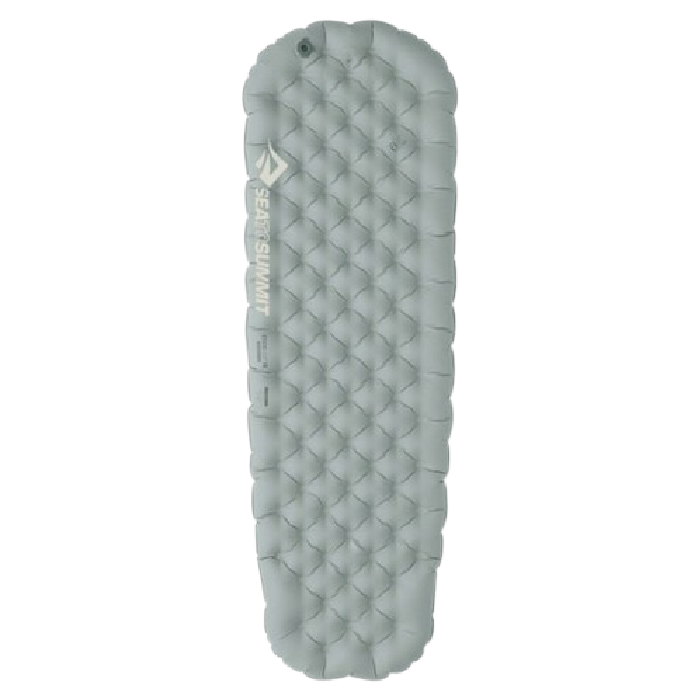
The Sea to Summit Ether Light XR Insulated is one of our favorite pads for side sleepers and active sleepers who want a soft, body-conforming surface. Its Air Sprung Cell construction spreads pressure across many small chambers, and the nearly four-inch profile provides ample cushioning without the rail-like feel of traditional baffles.
Our team used the Ether Light XR for dozens of nights in Colorado, including blizzards, rocky forest camps, and ski trips. Its 30D top and 40D bottom inspired more confidence around rough ground than many ultralight pads, and the integrated pump sack made inflation simple.
The Ether Light XR is best for comfort-focused three-season and shoulder-season trips. At 18.7 ounces in our testing, it is noticeably heavier than the Tensor All-Season and XLite NXT, and its 4.1 R-value is not intended for deep winter.
Choose the Ether Light XR when cushioning, even support, and durability matter more than shaving the last few ounces. The Tensor is the stronger all-around balance, the NeoLoft offers maximum comfort, and the XLite is better for high-mileage weight savings.
Big Agnes Rapide SL Insulated
Comfortable & Affordable Pad with Side Rails
CleverHiker Rating: 4.4/5.0
Price: $170
Weight: 18 oz., Regular, CleverHiker measured
R-Value: 4.8
Thickness: 3.5 in. center / 4.25 in. side rails
Pros
- Excellent comfort
- Thick cushioning for side sleepers
- Raised side rails help keep sleepers centered
- Quiet sleeping surface
- Easy dual-valve setup
- Good three-season insulation
- Many size options
Cons
- Heavier than premium lightweight pads
- Felt colder than expected in near-freezing testing
- Pump sack connection can be finicky
- Tight stuff sack requires careful packing
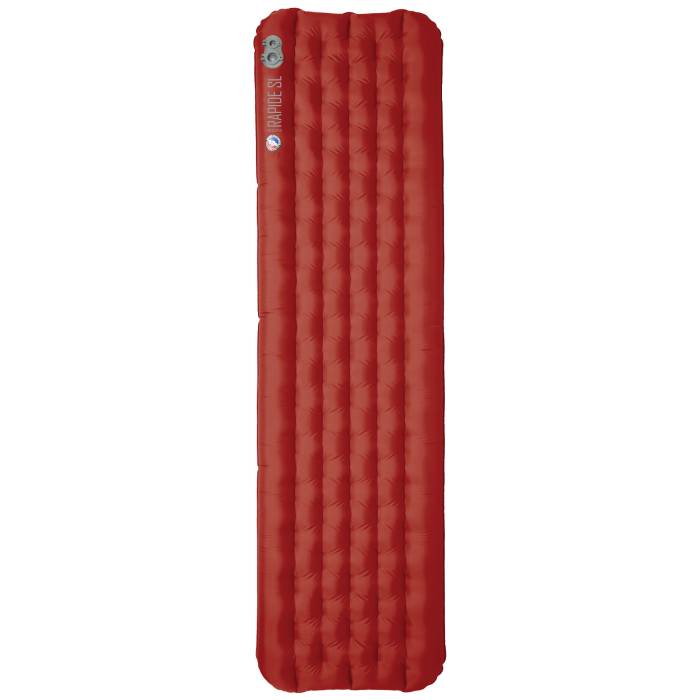
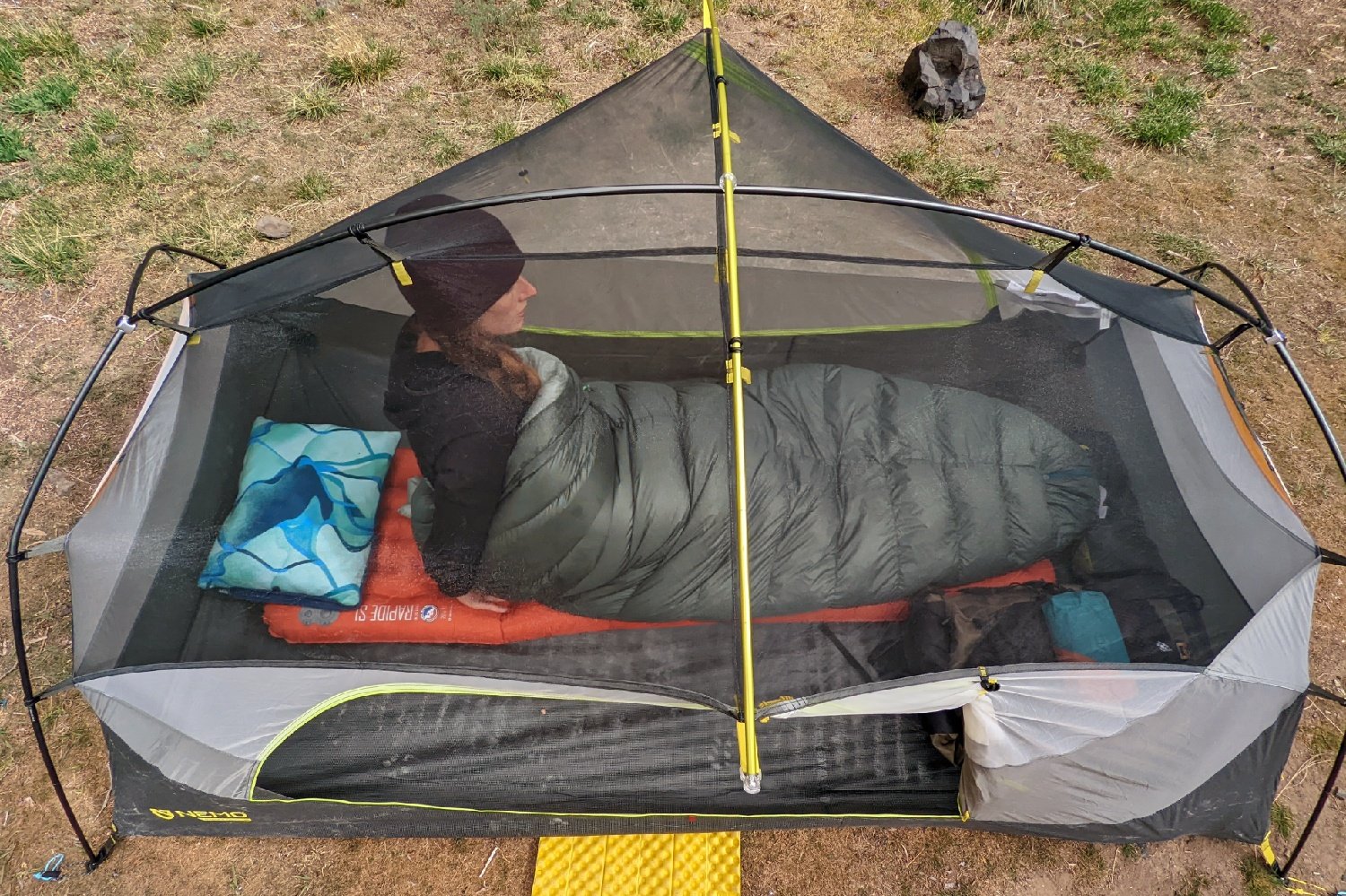
The Big Agnes Rapide SL Insulated is a comfort-first three-season pad with a thick center, tall side rails, and a quiet, cradled feel. Its 3.5-inch center and 4.25-inch outer chambers give side sleepers generous cushioning and help active sleepers stay centered.
Heather Eldridge used the Rapide SL for more than 15 nights and over 200 miles in Oregon, including the Timberline Trail, while Ian Krammer added near-freezing testing in Utah. The pad remained comfortable and supportive, and its dedicated dump valve made breakdown faster than the Zoom UL.
The Rapide is a strong fit for backpackers who want more comfort than the lightest inflatables without moving into NeoLoft-level weight or price. Its many size options also make it easier to match the pad to a specific sleeping style.
Our cold-weather experience was less convincing than its 4.8 R-value suggests, so we recommend it for normal three-season use rather than as a cold-weather specialist. Choose the Divide for a lower price, the Tensor for lower weight and stronger cold-weather confidence, or the Ether Light XR for a softer, more evenly conforming surface.
NEMO Switchback
Best Foam Sleeping Pad
CleverHiker Rating: 4.3/5.0
Price: $60
Weight: 14.5 oz., Regular
R-Value: 2.0
Thickness: 0.9 in.
Pros
- Very durable
- No puncture or leak risk
- Instant setup and pack-up
- Affordable
- Lightweight
- Useful as a sit pad
- Adds insulation beneath an inflatable
Cons
- Firm and minimally cushioned
- Bulky packed size
- Low standalone warmth
- Less comfortable for side sleepers
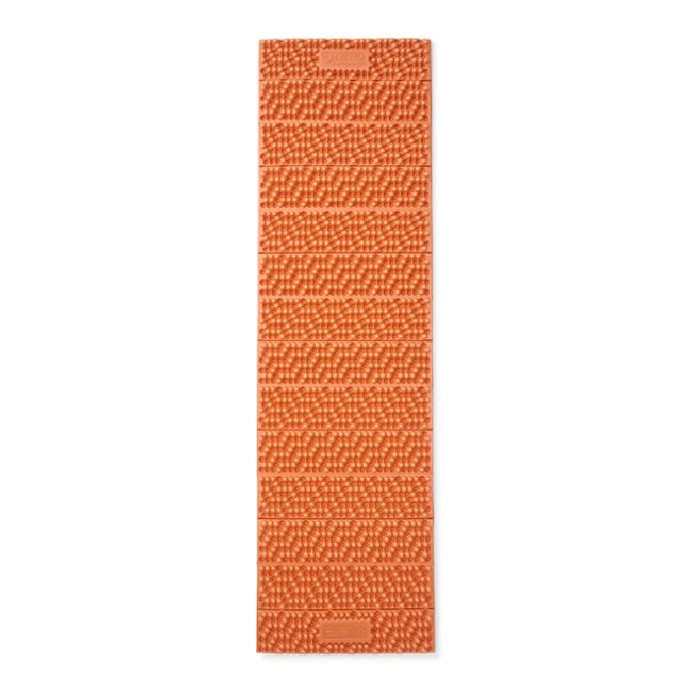
The NEMO Switchback is our favorite closed-cell foam sleeping pad for hikers who value simplicity, toughness, and low cost over plush comfort. Its folding design has no valves, cannot leak, and is ready the moment it is unfolded; the Regular weighs 14.5 ounces.
Dave Collins used the Switchback on Oregon’s 40-mile Timberline Trail, and our team also uses it beneath inflatables in colder conditions. As a second layer, it adds insulation, protects an air pad from sharp ground, and provides a dependable backup if the inflatable fails.
As a standalone pad, the Switchback is best for summer backpackers and back or stomach sleepers who already know they tolerate firm surfaces. The 0.9-inch foam can create pressure points for side sleepers, and the 2.0 R-value is not enough for sub-freezing use by itself.
Choose the Switchback when puncture-proof reliability and instant setup matter most. The Z Lite Sol is the closest alternative; the Thinlight is lighter but much less viable on its own; and the Tensor All-Season is dramatically more comfortable, warmer, and more compact for a much higher price.
Big Agnes Zoom UL
Quiet Pad with Excellent Warmth-to-Weight Ratio
CleverHiker Rating: 4.3/5.0
Price: $200
Weight: 14 oz., CleverHiker measured
R-Value: 4.3
Thickness: 3.25 in. center / 3.5 in. side rails
Pros
- Lightweight for a rectangular insulated pad
- Good three-season warmth
- Raised side rails
- Quiet sleeping surface
- Roomy rectangular shape
- Solid durability for the weight
Cons
- Pump sack is less efficient than our favorites
- No dedicated dump valve
- Deflation takes extra squeezing
- Still requires normal inflatable-pad care
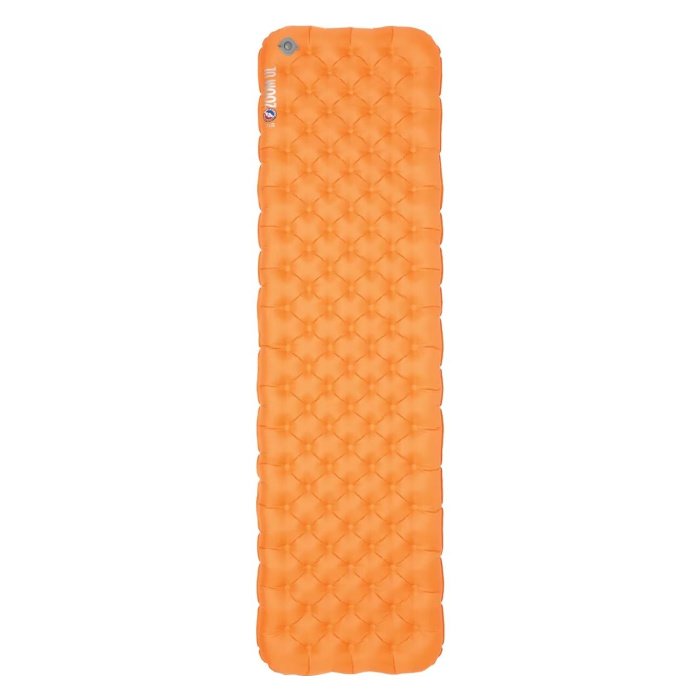
The Big Agnes Zoom UL is a strong choice for backpackers who want low weight, useful three-season warmth, and more room than a narrow mummy pad. Our test pad weighed 14 ounces, while its rectangular shape, 3.25-inch center, 3.5-inch side rails, and 4.3 R-value give it an appealing blend of space and insulation.
Casey Handley used the Zoom UL for about 300 miles and 20 nights on the Arizona Trail. It stayed quiet and comfortable through chilly desert nights, and the raised side rails helped keep sleepers centered without giving the pad a cramped feel.
The Zoom is especially attractive to long-distance hikers who want a broad sleeping surface without accepting a large weight penalty. Its 30D top also feels more confidence-inspiring than the most delicate ultralight fabrics.
Convenience is the compromise: the pump sack is less efficient than our favorites, and the single valve makes full deflation slower than on pads with a dedicated dump valve. Choose the Tensor All-Season for stronger all-around performance, the XLite NXT for proven weight efficiency, or the Rapide SL for deeper cushioning and easier pack-up.
Therm-a-Rest Z Lite Sol
Budget-Friendly Closed-Cell Foam Sleeping Pad
CleverHiker Rating: 4.3/5.0
Price: $60
Weight: 14 oz., Regular
R-Value: 2.0
Thickness: 0.75 in.
Pros
- Very durable
- Instant setup
- Affordable
- Lightweight
- No puncture or leak risk
- Useful for sitting and extra insulation
Cons
- Firm and minimally cushioned
- Bulky packed size
- Low standalone warmth
- Foam compresses over time
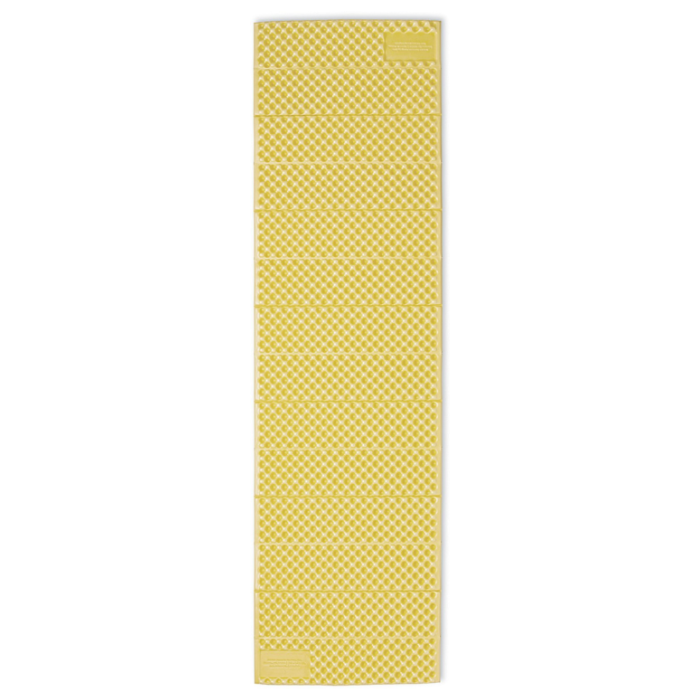
The Therm-a-Rest Z Lite Sol is the classic foam-pad choice for thru-hikers, minimalists, and budget-conscious backpackers who value failure-proof simplicity over cushioning. The Regular weighs 14 ounces, unfolds in seconds, and cannot be disabled by a puncture or leaking valve.
Dave Collins used the Z Lite Sol on a PCT thru-hike, where its durability and instant setup were major advantages over thousands of trail miles. It also works as a sit pad, ground protector, dog bed, or supplemental insulation layer beneath an inflatable.
The Z Lite Sol is best for back and stomach sleepers who tolerate firm surfaces and for hikers who want a dependable backup layer. At 0.75 inches thick, it is less forgiving than an air pad—especially for side sleepers or rough campsites—and its 2.0 R-value limits standalone use to mild weather.
Choose the Z Lite Sol when low cost, low weight, and zero field-repair risk outweigh comfort and packed bulk. The Switchback is the closest alternative, the Thinlight is lighter but far less comfortable alone, and the Tensor All-Season is the better choice when sleep quality and warmth matter most.
NEMO Tensor Elite
Lightest Inflatable Sleeping Pad
CleverHiker Rating: 4.2/5.0
Price: $250, Regular Mummy
Weight: 11.1 oz., CleverHiker measured; 8.5 oz. manufacturer listed
R-Value: 2.4
Thickness: 3 in.
Pros
- Extremely lightweight
- Tiny packed size
- Three-inch cushioning
- Fast inflation
- Quiet sleeping surface
- Excellent for gram-counting kits
Cons
- Fragile compared with heavier pads
- Limited warmth
- Narrow tapered shape
- Slippery surface
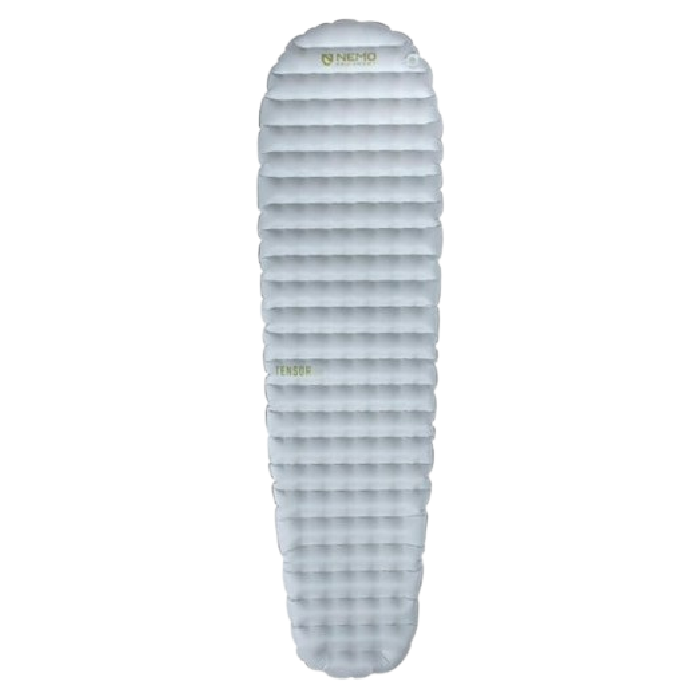
The NEMO Tensor Elite is the specialist choice for ultralight hikers who prioritize the lowest possible carried weight. NEMO lists the Regular Mummy at 8.5 ounces, and our full tested setup weighed 11.1 ounces—still dramatically lighter than most insulated inflatables.
We tested it for several nights in varied conditions and compared it directly with the other ultralight pads in this lineup. The three-inch thickness and Apex baffle structure preserve a decent amount of comfort, and NEMO’s Vortex pump sack keeps inflation quick.
The Elite makes the most sense for high-mileage, warm-weather trips and sound sleepers who do not need much room to move. Its tapered mummy shape, slippery surface, and 10D fabric demand more care and give active or frequent side sleepers less margin for comfort.
This is not a one-pad solution for most backpackers: the 2.4 R-value and delicate construction trade warmth, versatility, and durability for minimum weight. Choose the XLite NXT for a more practical ultralight three-season pad, the Tensor All-Season for broader performance, or the Zoom UL for a roomier rectangular shape.
Gossamer Gear Thinlight
Best Sleeping Pad Add-On
CleverHiker Rating: 3.8/5.0
Price: $32
Weight: 2.7 oz., rolled version
R-Value: Approx. 0.5 manufacturer estimate
Thickness: 0.125 in.
Pros
- Extremely lightweight
- Excellent puncture protection
- Very durable
- Instant setup
- Useful as a sit pad or ground sheet
- Adds grip beneath an inflatable
Cons
- Minimal standalone comfort
- Minimal standalone warmth
- Narrow sleeping surface
- Bulky relative to thickness
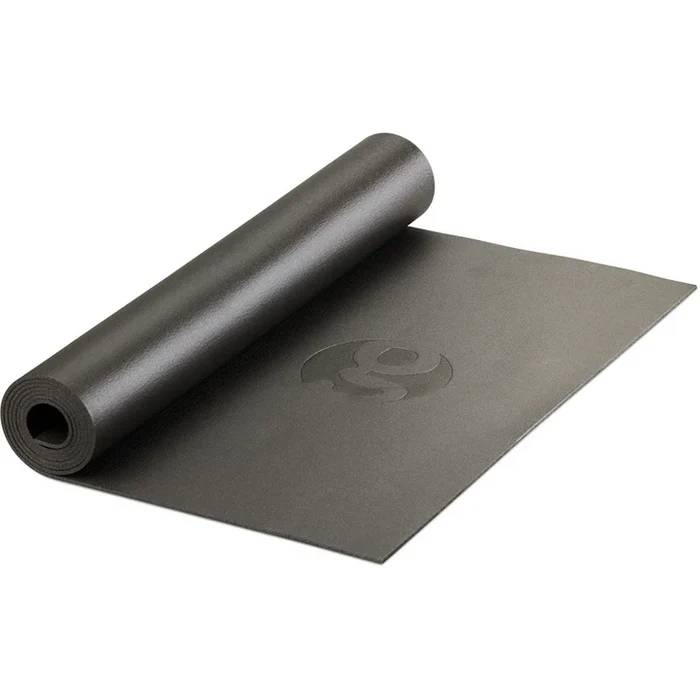
The Gossamer Gear Thinlight is a specialized add-on for protecting and extending an existing backcountry sleep system, not a conventional standalone sleeping pad. We tested the rolled one-eighth-inch version, which weighs only 2.7 ounces and is nearly impossible to disable in the field.
Our team has carried Thinlight pads for hundreds of miles in places including New Mexico and the Cascades. Beneath an inflatable, the foam adds puncture protection, grip, and a small amount of extra insulation; during the day, it works as a sit pad, stretch mat, or clean surface around camp.
The Thinlight is best for ultralight hikers who want a multipurpose protective layer for very little weight and money. Its estimated R-value is only about 0.5, and comfort as a standalone pad depends heavily on finding exceptionally soft ground.
Most backpackers should pair it with an inflatable. Choose the Switchback or Z Lite Sol if you want foam-pad reliability with meaningful standalone cushioning, or pair the Thinlight with the Tensor Elite when ultralight comfort plus ground protection is the goal.

Product Comparison Table
| oSort | Product | Price | Weight | R-Value | Thickness | Comfort | Weight Score | Durability | Warmth | Ease of Setup | Packed Size | 0 |
NEMO Tensor All-Season View at REI View at Amazon 
|
$200 | 14.1 oz., Regular Mummy | 5.4 | 3.5 in. | 4.7 | 4.6 | 4.6 | 4.7 | 4.7 | 4 x 10 in. | 1 |
Therm-a-Rest NeoAir XLite NXT View at REI View at Amazon
|
$210 | 13 oz., Regular | 4.5 | 3 in. | 4.5 | 4.8 | 4.5 | 4.5 | 4.5 | 4.1 x 9 in. | 2 |
Exped Ultra 6.5R View at REI View at Amazon
|
$200 | 16.2 oz., Medium, CleverHiker measured | 6.9 | 3.5 in. | 4.7 | 4.0 | 4.3 | 4.8 | 4.8 | 4.3 x 9.1 in. | 3 |
Therm-a-Rest NeoAir XTherm NXT View at REI View at Amazon |
$230 | 16 oz., Regular, CleverHiker measured | 7.3 | 3 in. | 4.5 | 4.0 | 4.7 | 4.9 | 4.5 | 4.5 x 9 in. | 4 |
Therm-a-Rest NeoLoft View at REI View at Amazon
|
$250 | 27.5 oz., CleverHiker measured | 4.7 | 4.6 in. | 5.0 | 3.1 | 4.8 | 4.5 | 4.6 | 5.7 x 9.5 in. | 5 |
Big Agnes Divide Insulated View at REI View at Amazon 
|
$130 | 23.5 oz., CleverHiker measured | 4.0 | 3.25 in. center / 3.5 in. outer chambers | 4.4 | 3.5 | 4.6 | 4.3 | 4.6 | 5 x 8 in. | 6 |
Sea to Summit Ether Light XR Insulated View at REI View at Amazon |
$199 | 18.7 oz., Regular, CleverHiker measured | 4.1 | 3.9 in. | 4.7 | 3.8 | 4.6 | 4.3 | 4.4 | 4.3 x 8.1 in. | 7 |
Big Agnes Rapide SL Insulated View at REI View at Amazon |
$170 | 18 oz., Regular, CleverHiker measured | 4.8 | 3.5 in. center / 4.25 in. side rails | 4.7 | 3.8 | 4.5 | 4.5 | 4.6 | 4 x 7 in. | 8 |
NEMO Switchback View at REI View at Amazon
|
$60 | 14.5 oz., Regular | 2.0 | 0.9 in. | 3.6 | 4.4 | 5.0 | 3.5 | 5.0 | 5 x 5.5 x 20 in. | 9 |
Big Agnes Zoom UL View at Amazon View at Backcountry |
$200 | 14 oz., CleverHiker measured | 4.3 | 3.25 in. center / 3.5 in. side rails | 4.1 | 4.5 | 4.3 | 4.4 | 4.2 | 4 x 8 in. | 10 |
Therm-a-Rest Z Lite Sol View at REI View at Amazon |
$60 | 14 oz., Regular | 2.0 | 0.75 in. | 3.5 | 4.5 | 5.0 | 3.5 | 5.0 | 5 x 5.5 x 20 in. | 11 |
NEMO Tensor Elite View at REI View at Amazon |
$250, Regular Mummy | 11.1 oz., CleverHiker measured; 8.5 oz. manufacturer listed | 2.4 | 3 in. | 4.0 | 5.0 | 4.0 | 3.5 | 4.7 | 3 x 5.5 in. | 12 |
Gossamer Gear Thinlight View at Gossamer Gear View at Garage Grown Gear
|
$32 | 2.7 oz., rolled version | Approx. 0.5 manufacturer estimate | 0.125 in. | 3.0 | 5.0 | 4.9 | 3.0 | 5.0 | Rolled foam; no fixed compressed size |
|---|
Analysis & Results
We evaluated all 13 pads on the decisions that matter most in the backcountry: value, comfort, carried weight, durability, warmth, and daily setup. The rankings below treat those traits as connected tradeoffs—not isolated specs—so the right choice depends on where you camp, how you sleep, and what you are willing to carry.
What’s the Best VALUE Sleeping Pad?
The best value depends on what you actually need from a sleeping pad. A $60 pad can be a terrific buy if simplicity and durability matter most, while a $200 pad can offer better long-term value for a frequent backpacker if it delivers substantially better comfort, warmth, and weight savings.
If you’re comfortable sleeping on a firm surface, foam pads offer some of the best pure value in the category. The NEMO Switchback and Therm-a-Rest Z Lite Sol are inexpensive, lightweight, nearly impossible to puncture, and useful for much more than sleeping. They can double as sit pads around camp or add insulation and protection beneath an inflatable pad. The tradeoff is comfort and warmth. If you’re a side sleeper, camp on rough ground, or simply sleep better with more cushioning, spending more for an air pad is probably money well spent.
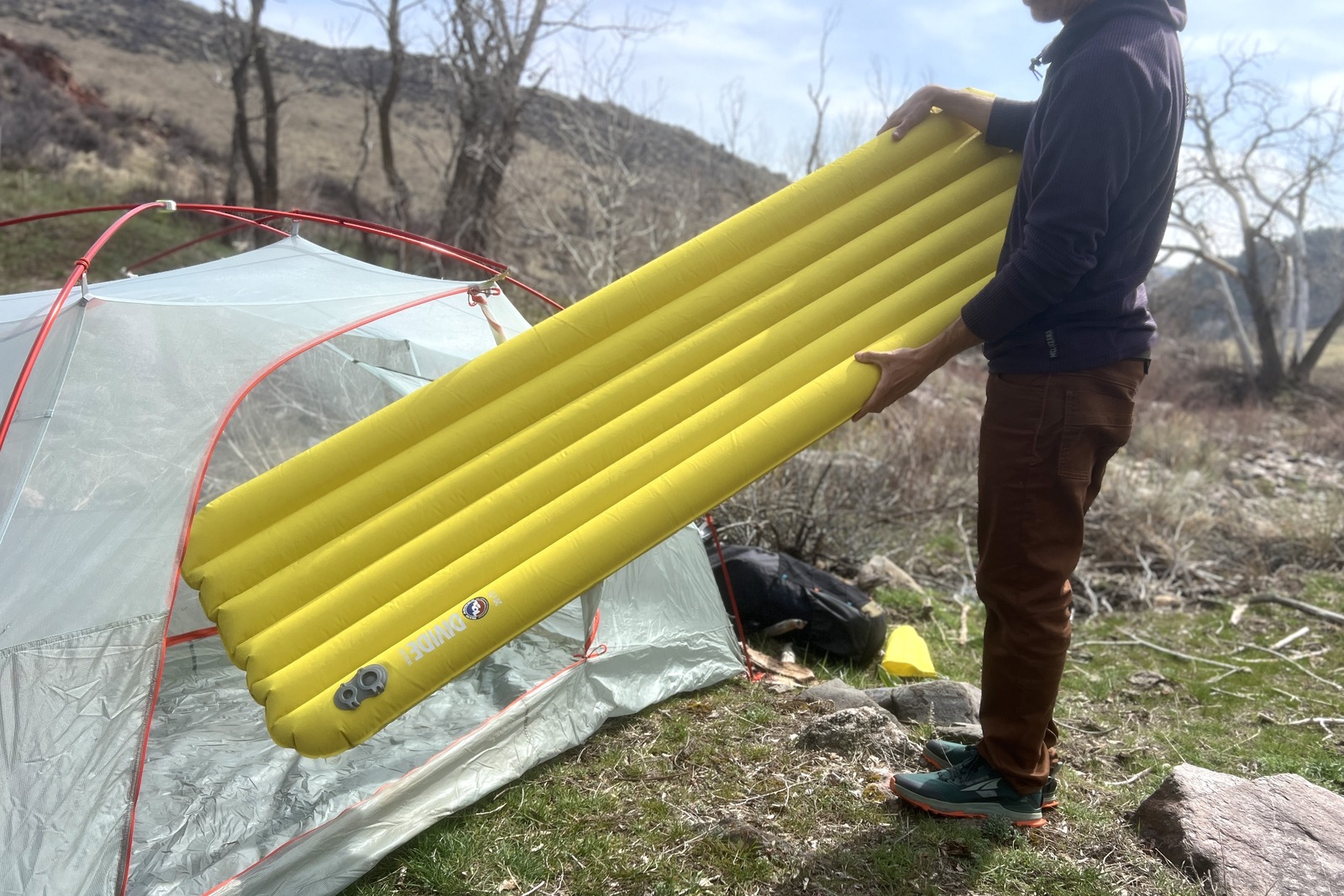
For an affordable inflatable, the Big Agnes Divide Insulated is our favorite balance of price and all-around performance. It costs substantially less than the premium pads on this list while still delivering good warmth, durability, and comfort. The biggest compromise is weight, and its vertical baffles won’t suit everyone. Backpackers willing to spend a little more should consider the Big Agnes Rapide SL Insulated. It improves on the Divide with more warmth and comfort in a lighter package, making the extra cost worthwhile for people who put a higher premium on a good night’s sleep.
At the premium end, the NEMO Tensor All-Season makes a strong case that value isn’t synonymous with cheap. It offers the best overall balance of performance across our testing metrics, and at about $200 for the Regular Mummy, it currently costs slightly less than the comparable Therm-a-Rest NeoAir XLite NXT. The XLite is 1.1 ounces lighter, which matters for hikers who scrutinize every ounce. But in our testing, the Tensor is slightly more comfortable, warmer, and considerably easier to inflate, fully deflate, and pack. For frequent backpackers, we think those advantages easily justify the investment. Between these two excellent pads, we’d choose based on performance priorities, not the small difference in price.
Cold-weather backpackers have a different value equation. The Exped Ultra 6.5R is our favorite value for hikers who need serious insulation. It delivers excellent warmth and comfort without becoming so heavy or specialized that it only makes sense for deep-winter trips, making it a versatile choice for cold shoulder-season and winter backpacking.
If your main goal is simply to spend as little as possible on an inflatable, the Klymit Static V2 is the lowest-cost option in this group. But the savings come with clear tradeoffs: it offers little insulation, below-average comfort compared with our top performers, and it isn’t especially light. It makes the most sense for warm-weather backpackers on a tight budget; if you can spend more, the Divide is a more capable all-around choice.
The Gossamer Gear Thinlight represents value in a completely different way. We don’t recommend it as a primary sleeping pad for most people, but it’s an inexpensive way to protect a much more expensive inflatable pad. Used underneath an air pad, it adds puncture protection, a bit of insulation, and extra versatility around camp. For backpackers who already own a premium inflatable and want to extend its life, the Thinlight can be a very useful addition to the sleep system.
What’s the Most Comfortable Sleeping Pad?
If comfort is your top priority, the Therm-a-Rest NeoLoft is the standout in this lineup. Its 4.6-inch thickness, soft stretch-knit sleeping surface, and body-conforming design create a plush feel that’s closer to a real mattress than most backpacking pads. It’s a particularly strong choice for hikers who are willing to carry extra weight to sleep as comfortably as possible.
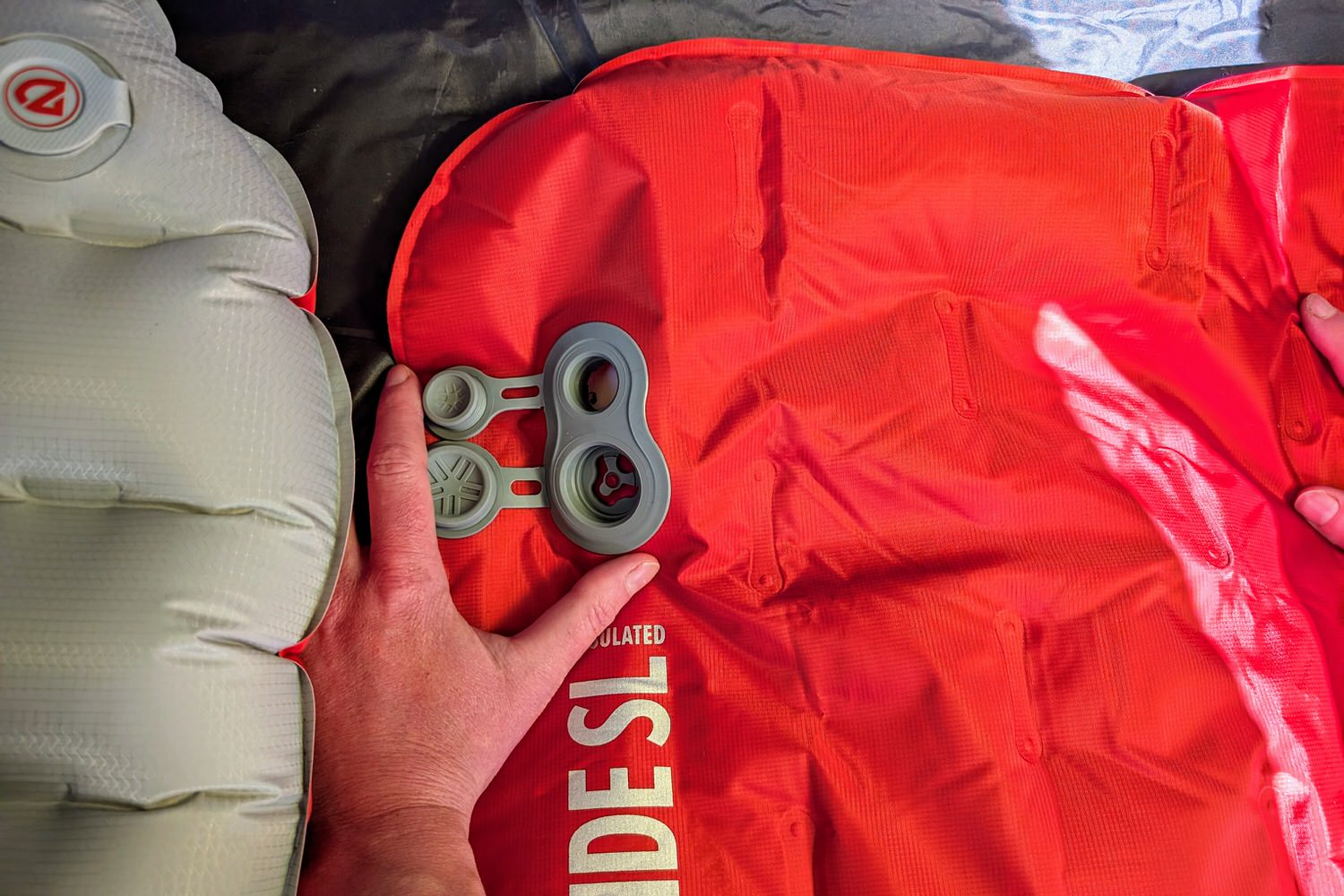
The Sea to Summit Ether Light XR Insulated and Big Agnes Rapide SL Insulated take a different approach. Their dimpled air-cell designs conform closely to the body and spread pressure more evenly than stiffer horizontal baffles. Both are thick, cushy pads, and bottoming out wasn’t an issue in our testing. They’re excellent choices for sleepers who like a softer, more cradled feel.
The NEMO Tensor Trail Ultralight Insulated and Tensor All-Season also use a comfortable stippled baffle design, but they pair that cushioning with less bulk and exceptionally quiet materials. At 3.5 inches thick, both provide plenty of room for a side sleeper’s hips and shoulders to sink in without hitting the ground. We especially like the Tensor All-Season’s Laylow valve, which makes it easy to release tiny amounts of air until the firmness feels right. In direct testing, we give the Tensor All-Season a slight comfort edge over the NeoAir XLite NXT.
The Exped Ultra 6.5R is another favorite for side sleepers. Its vertical baffles create a softer, cradling feel than traditional horizontal designs, and its rectangular shape gives sleepers plenty of usable space.
The Therm-a-Rest NeoAir XLite NXT and XTherm NXT don’t conform to the body quite as closely as the pads above, but their three inches of cushioning still provide a comfortable sleep surface without regularly bottoming out. They’re also relatively quiet, making them strong choices for backpackers who want good comfort without moving into the bulkier, more luxurious end of the category.
Which Sleeping Pad is the Lightest?
For backpackers focused almost entirely on minimizing pack weight, the NEMO Tensor Elite is the clear winner. It weighs several ounces less than its closest competitors while still functioning as a true inflatable sleeping pad. That makes it especially compelling for ultralight hikers willing to accept more compromises elsewhere to shave every possible ounce.
The Therm-a-Rest NeoAir XLite NXT, NEMO Tensor Trail Ultralight Insulated, NEMO Tensor All-Season, and Big Agnes Zoom UL make up the next lightweight tier. These pads give up a little ground to the Tensor Elite on pure weight but offer more balanced performance for most backpackers.
The XLite NXT is particularly tough to beat if every ounce counts. Its Regular size weighs 13 ounces, compared with 14.1 ounces for the Tensor All-Season Regular Mummy. That 1.1-ounce difference is small, but meaningful for hikers building the lightest possible kit. The Tensor All-Season carries a little more insulation, so the decision comes down to whether you prioritize absolute weight savings or a broader temperature range.
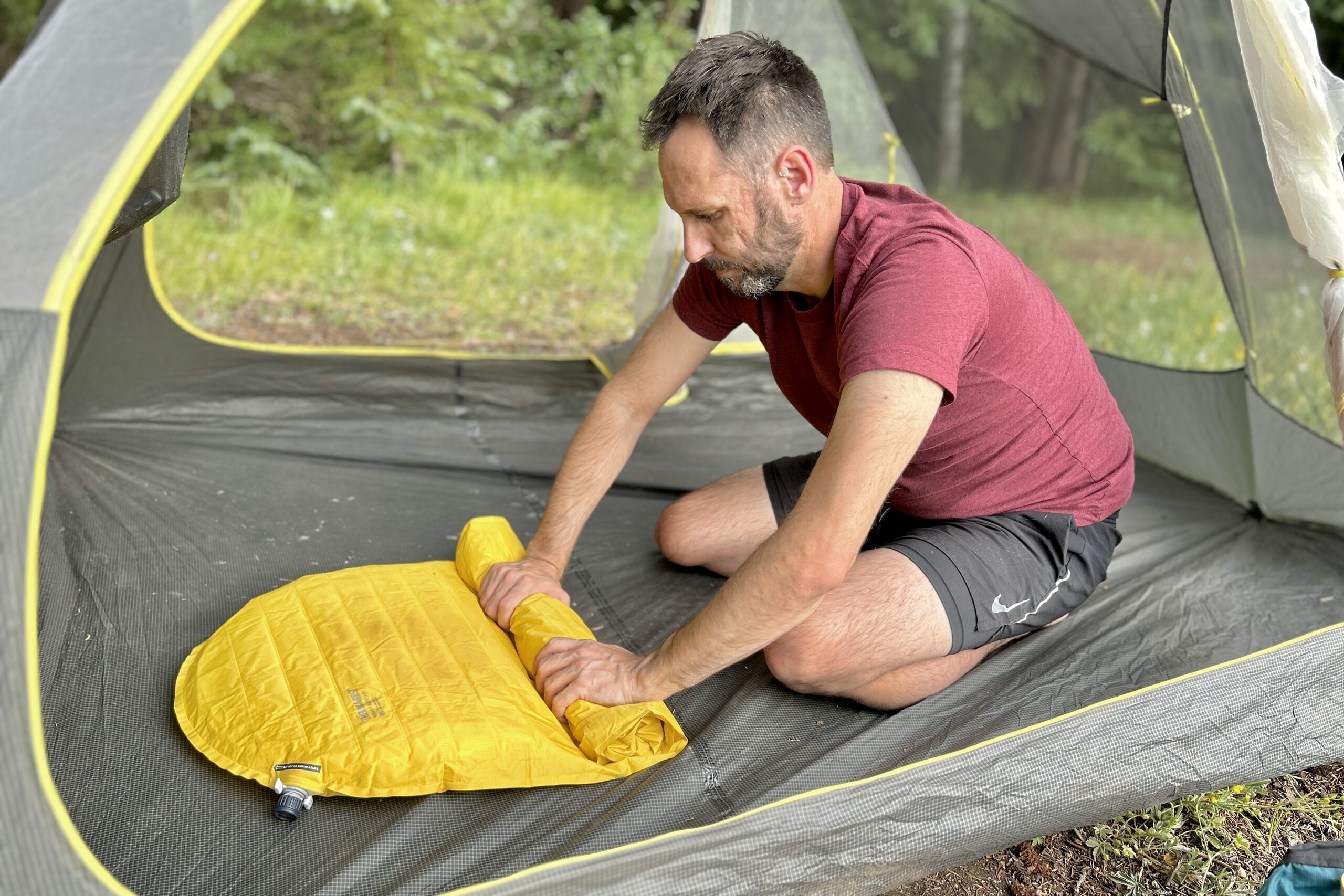
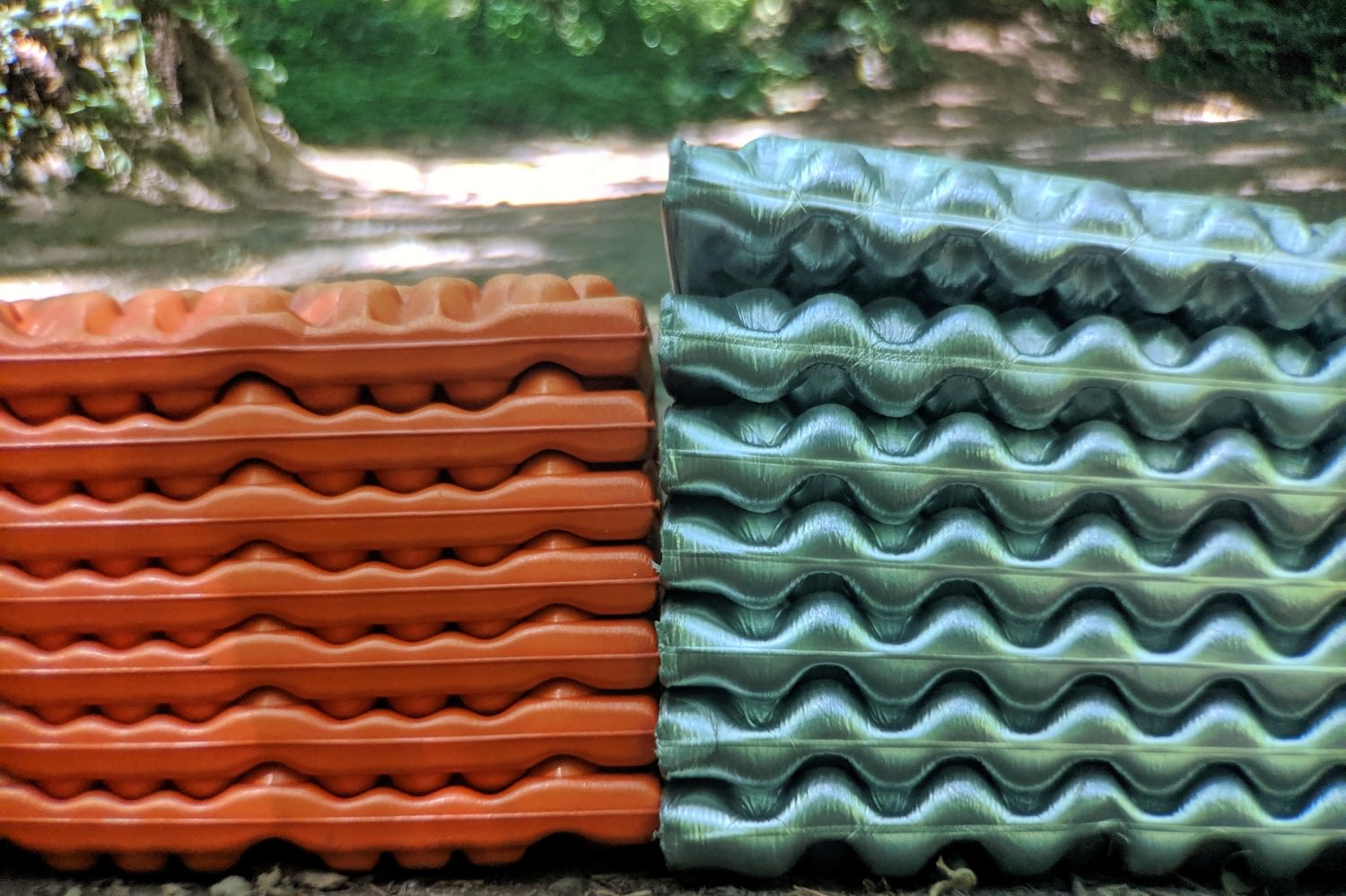
Foam pads like the NEMO Switchback and Therm-a-Rest Z Lite Sol are also light, but their biggest drawback in a backpack is bulk rather than weight. Backpackers who want the simplicity and durability of foam can trim panels to create a torso-length pad and cut both weight and packed volume.
The Gossamer Gear Thinlight is technically the lightest pad here, but we don’t consider it a realistic standalone sleep system for most people. It makes more sense underneath another pad for extra protection and insulation.
Once you move beyond the lightweight leaders, additional ounces generally buy something tangible. The NeoAir XTherm NXT carries more insulation for winter use, while a pad like the NeoLoft trades weight for substantially more cushioning and comfort. Those can be smart tradeoffs, but hikers counting ounces have better choices above.
Which Sleeping Pad is the Most Durable?
If avoiding punctures and failures is your highest priority, closed-cell foam is still the safest bet. The NEMO Switchback, Therm-a-Rest Z Lite Sol, and Gossamer Gear Thinlight don’t rely on air to support you, so rocks, thorns, and sharp debris are far less likely to end your night’s sleep. A Thinlight can also be placed underneath an inflatable pad to add another layer of protection.
Among inflatable pads, the Therm-a-Rest NeoLoft and NeoAir XTherm NXT stand out in our testing. Both use relatively robust material on the underside, where abrasion and punctures are most likely, with the NeoLoft earning a slight durability edge.
The Big Agnes Divide Insulated, NEMO Tensor All-Season, and Sea to Summit Ether Light XR Insulated follow closely. All use tougher-than-average materials where they matter most, along with well-designed valves that reduce concern around another common failure point.
The Tensor All-Season is a good example of smart material placement. NEMO uses lighter 20D fabric on top and tougher 40D fabric underneath. After more than 29 wilderness nights, our Tensor shows no visible abrasion, coating wear, valve wear, seam damage, leaks, or other deterioration. The thinner top still warrants normal care around sharp objects or animal claws, but that’s a use-case-specific limitation rather than a weakness we’ve actually experienced.
The Big Agnes Rapide SL Insulated, Exped Ultra 6.5R, and NeoAir XLite NXT land closer to the middle of the group for durability. That doesn’t make them fragile. Any inflatable pad can puncture, so choosing campsites carefully and carrying the included repair kit remains part of owning one.
What’s the Warmest Sleeping Pad?
For true winter backpacking, the Therm-a-Rest NeoAir XTherm NXT is the pad we trust most. Its R-value of 7.3 provides serious insulation while maintaining an excellent warmth-to-weight ratio, making it the strongest choice in this lineup when temperatures drop well below freezing.
The Exped Ultra 6.5R is another excellent cold-weather option. It provides substantial insulation while offering a softer, more forgiving sleeping surface than the XTherm thanks to its vertical baffles, 3.5-inch thickness, and rectangular shape. Cold sleepers who put a premium on comfort may prefer its feel.
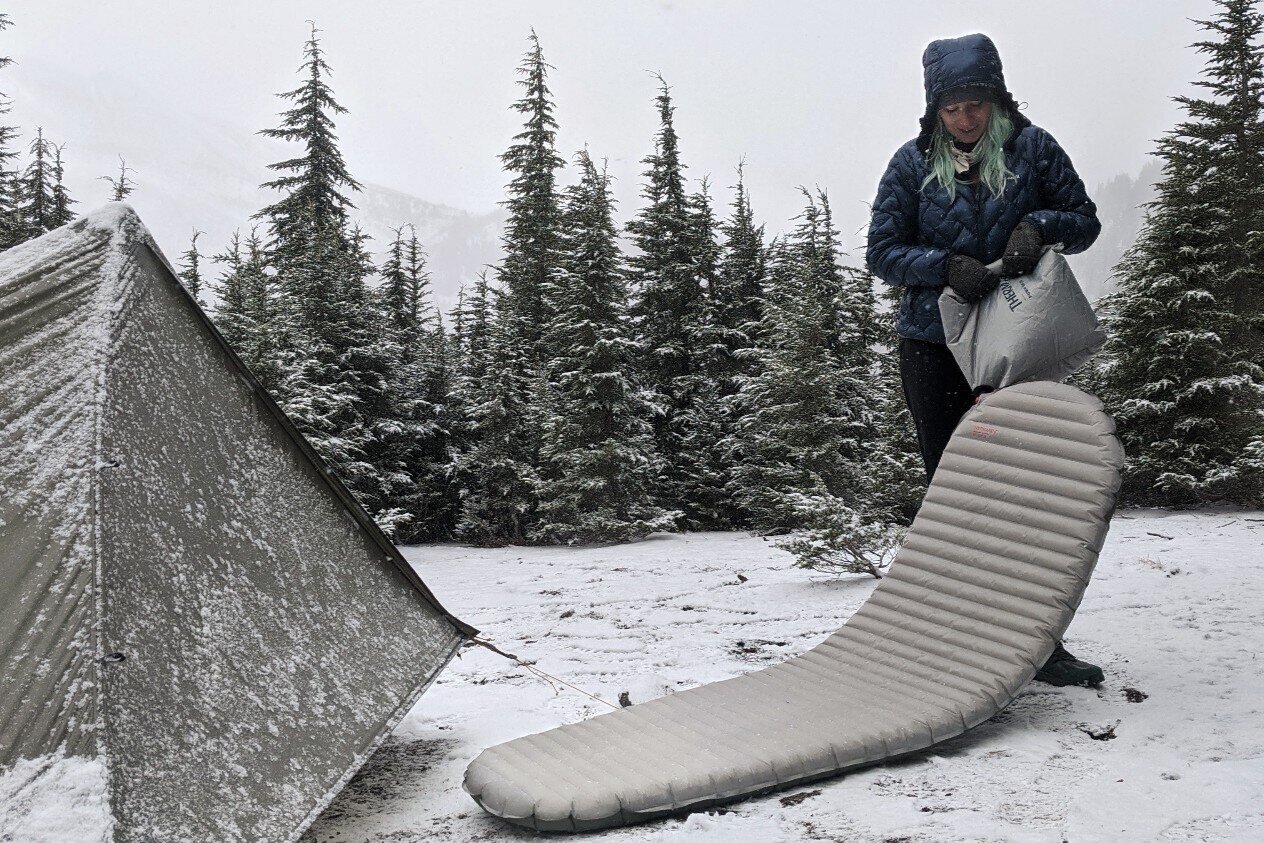
For a pad that can cover a much broader range of trips, the NEMO Tensor All-Season hits an especially useful middle ground. Its 5.4 R-value provides excellent warmth for its weight, and we’ve slept on it comfortably down to about 23°F, including below-freezing nights with light snow. We consider it an excellent three-season and shoulder-season pad that can also handle mild winter conditions without feeling excessive on summer trips.
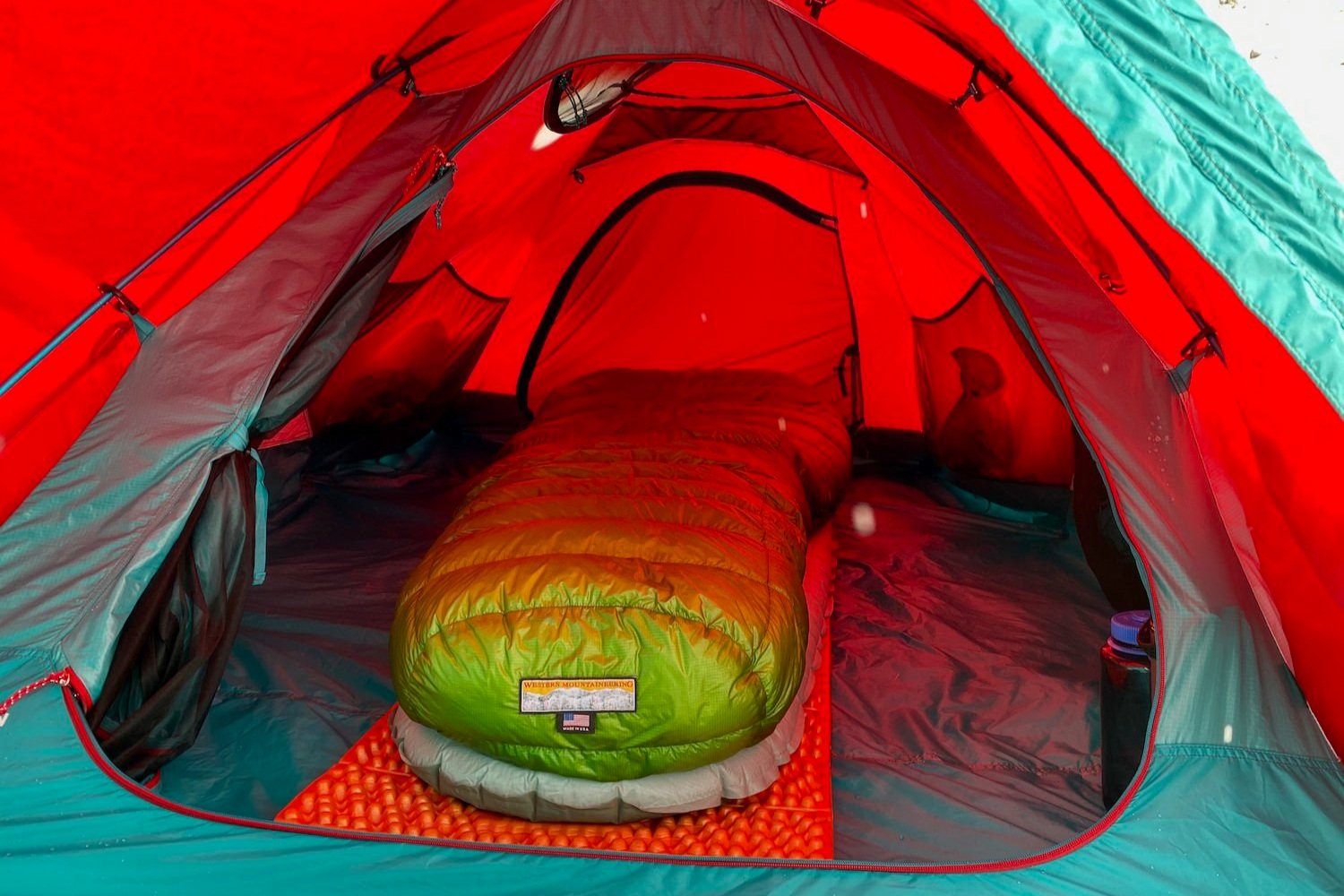
There is a limit to that versatility. For sustained trips in the low teens, single digits, or below zero, especially when sleeping directly over snow or frozen ground, we’d step up to a dedicated winter pad like the XTherm NXT or NEMO Tensor Extreme Conditions. Adding a closed-cell foam pad underneath the Tensor All-Season is another effective way to increase insulation for colder trips.
The Therm-a-Rest NeoLoft, Big Agnes Rapide SL Insulated, NeoAir XLite NXT, and Big Agnes Zoom UL all provide enough insulation for typical three-season backpacking and cooler shoulder-season trips. Some emphasize comfort, while others reduce weight, but none is intended to replace a true winter pad.
When snow is on the ground, the Gossamer Gear Thinlight can also add a useful layer of insulation underneath an existing sleep system.
Which Sleeping Pad is the Easiest to Set up?
For pure simplicity, foam pads are impossible to beat. The NEMO Switchback, Therm-a-Rest Z Lite Sol, and Gossamer Gear Thinlight unfold in seconds and require no inflation, valves, or pump sacks. That also makes them handy for quick seating or ground protection during breaks.
Among inflatable pads, the Exped Ultra 6.5R is one of the easiest large pads to inflate. It works with Exped’s electric Ultra Pump if you want a nearly hands-off setup, and even with the included pump sack, our test pad needed only about three bags of air.
NEMO’s Tensor lineup is another standout. The Tensor All-Season, Tensor Trail Ultralight Insulated, and Tensor Elite use low-profile valves that pair extremely well with the Vortex pump sack, one of our favorite pump-sack designs. Our Long Wide Tensor All-Season generally takes about four or five Vortex fills, and the Laylow valve makes it easy to fine-tune firmness once you’re lying down.
The bigger Tensor advantage comes when it’s time to leave camp. Opening the dump valve releases air quickly, making it easy to roll the pad tightly without repeatedly trapping air inside. We find the Tensor All-Season noticeably easier to fully deflate and pack than the NeoAir XLite NXT. Therm-a-Rest’s included pump sack is less efficient in our experience, and the XLite takes more squeezing and rolling to get the remaining air out.
The Therm-a-Rest NeoLoft also performs very well here. Its twist-lock valve is easier for us to operate than Therm-a-Rest’s WingLock design, and its large pump sack and roomy stuff sack make managing such a high-volume pad relatively painless.
The Big Agnes Divide Insulated and Rapide SL Insulated use separate inflation and deflation ports, which makes setup intuitive and allows easy firmness adjustments. Both inflate with their included pump sacks in roughly one to two minutes. Their main annoyance comes at the end: the tight stuff sacks leave little room for a sloppy roll, so packing requires more precision than we’d like.
The rest of the pads in our lineup didn’t present any major setup problems, but they don’t offer enough of an advantage to separate themselves from the standouts above.
How to Choose A Backpacking Sleeping Pad
What is A Good Weight for a Backpacking Sleeping Pad?
For most backpacking trips, a sleeping pad weighing 22 ounces or less is very reasonable and balances weight with comfort, durability, and warmth.
Most long-distance hikers, including thru-hikers, will carry a sleeping pad that weighs 14 ounces or less. Some of the lightest pads weigh right around 8 ounces; however, these pads are made from more delicate material, are thinner overall, and have a lower R-value than slightly heavier pads.

What is Sleeping Pad R-Value?
R-value is a measure of a sleeping pad’s warmth. More precisely, it is a reflection of thermal resistance, i.e. how well the pad insulates you from the cold ground. The higher the R-value, the warmer the pad.
Most brands follow a standardized ASTM (formerly American Standards for Testing & Materials) testing method, which makes R-values comparable across brands.
- R-Value 0-3 – Best for nighttime temperatures at or above 45 degrees
- R-Value 3-5 – Best for nighttime temperatures at or above 30 degrees
- R-Value 5-6 – Best for nighttime temperatures at or above 20 degrees
- R-Value 6+ – Best for nighttime temperatures at or above 10 degrees
R-value is also additive, meaning, for example, you can put a foam pad underneath an inflatable pad, and the total R-value is the sum of the two pads’ R-values.
How Thick Should My Sleeping Pad Be?
Fully inflated, a sleeping pad should be at least 3 inches thick. Less than that, and most people risk bottoming out (touching the ground). This is especially important for side sleepers.
Why Does My Pad Feel Softer at 3AM?
There are a few reasons why your pad might feel squishier in the middle of the night than when you first inflated it:
- 1. Air contracts as it cools. If you are using a pump sack, the air going in is the same temperature as the outside air. If you are blowing into the valve directly, the air is the temperature of your breath. In both cases, that air cools over the course of the night, taking up less volume, which causes you to sag into the pad a bit more.
- 2. You sleep on your side. Side sleepers depress a sleeping pad more than back or stomach sleepers because they have less body surface area in contact with the pad. Less surface area means more downward pressure and a greater chance that your hip bone will touch the ground.
- 3. Your pad has a slow leak. The valve may not be fully closed, the valve or its seam may have a leak, or the body of the pad might have a small puncture from a pine needle or piece of gravel. In all of these cases, the sleeping pad slowly loses air and eventually brings you in contact with the ground.
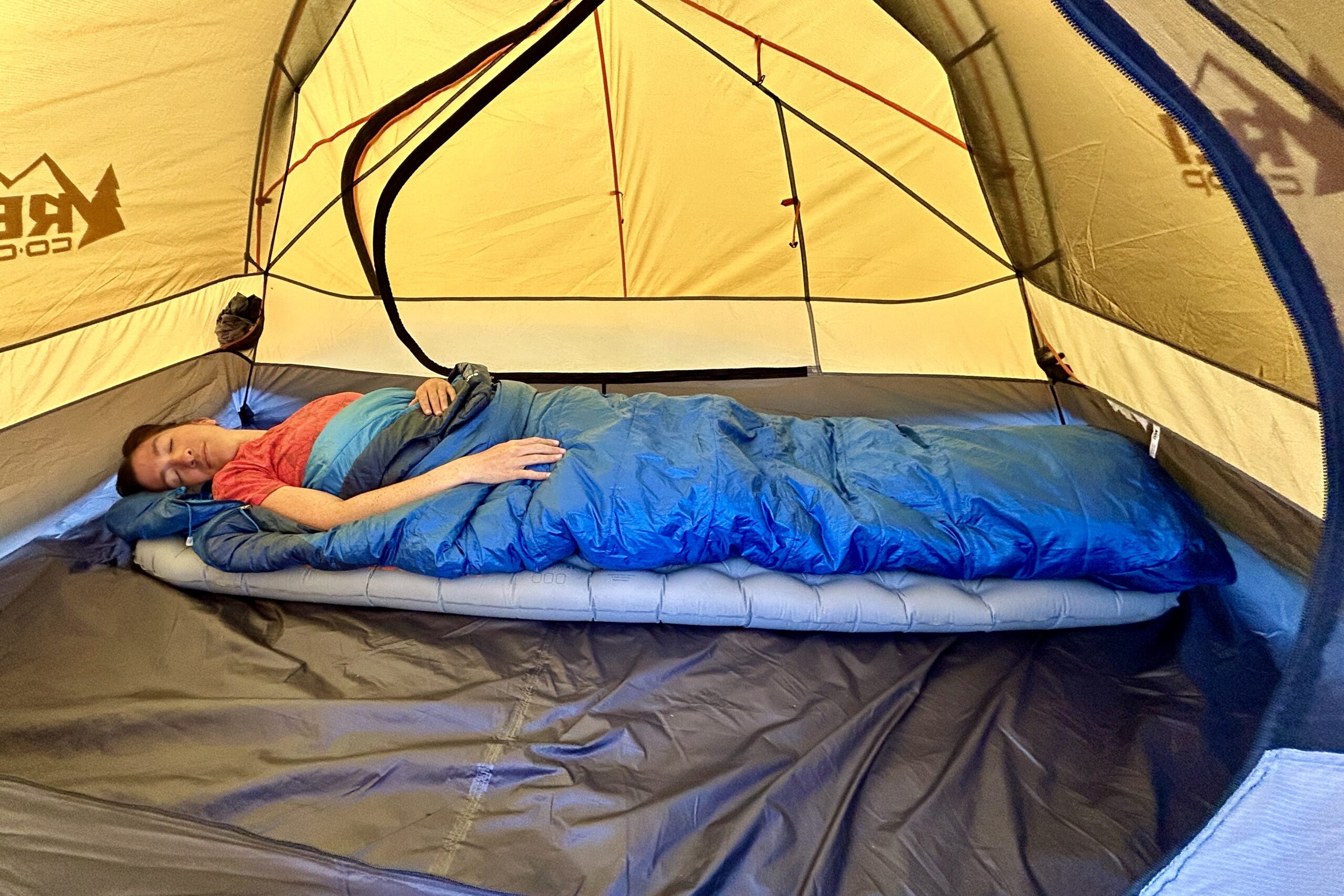
Are Inflatable Air Pads Better Than Foam Pads?
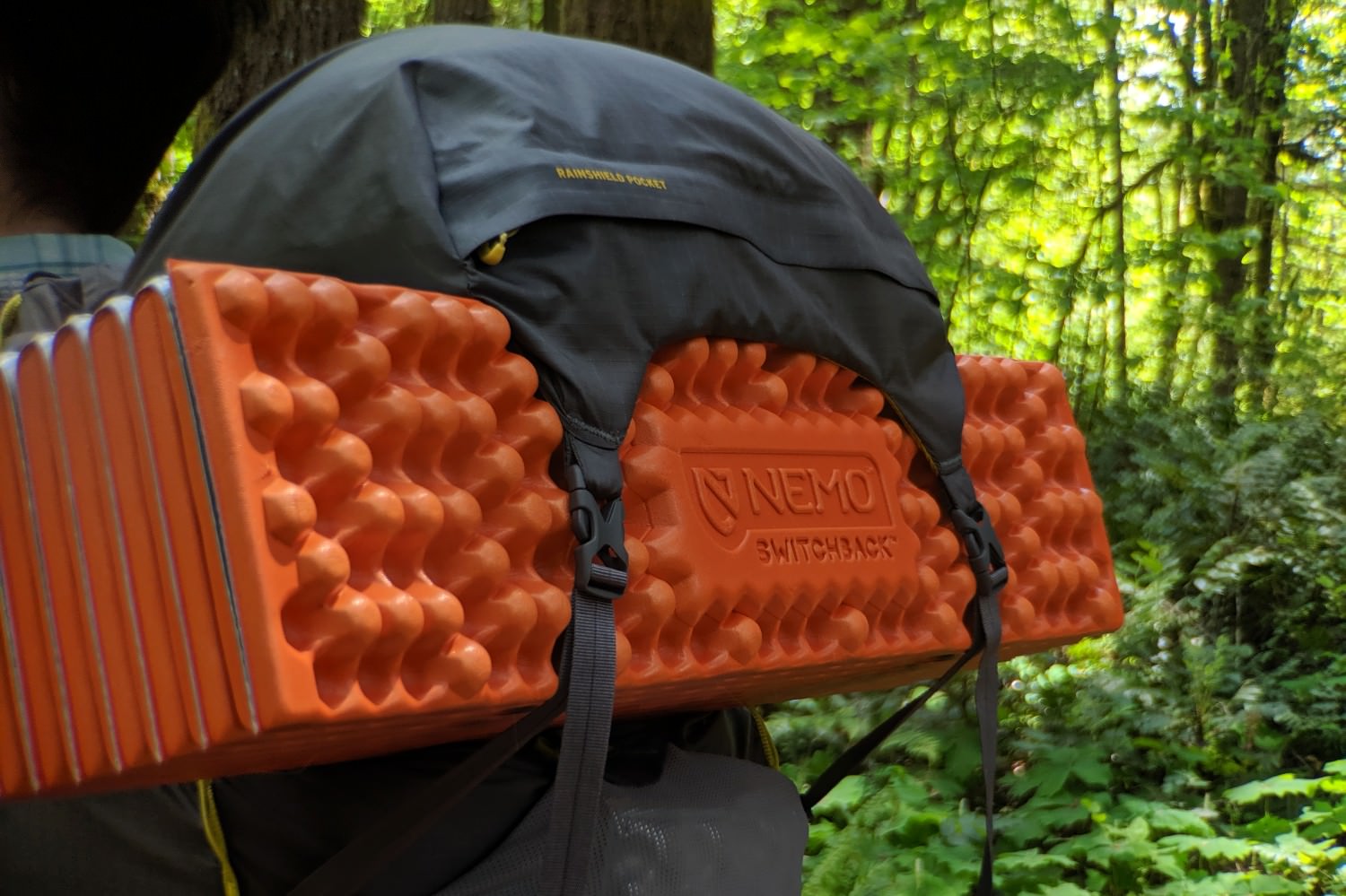
In general, inflatable air pads are more comfortable than foam pads because they are thicker. Most backpackers prefer inflatable over foam pads for this reason. Most air pads are around 3 inches thick, whereas foam pads are about .5-.75 inches. Their primary goal is modest insulation as opposed to supreme comfort.
In addition, foam pads are much bulkier and almost always have to be carried on the outside of a backpack.
The drawback to inflatable pads (and upside to foam), is that they are far more expensive – often 3-4x the price, require more effort to set up at the end of a day of backpacking, and are prone to leaks, so you’ll always want to bring a repair kit.
Do I Need A REPAIR KIT for My Sleeping Pad?
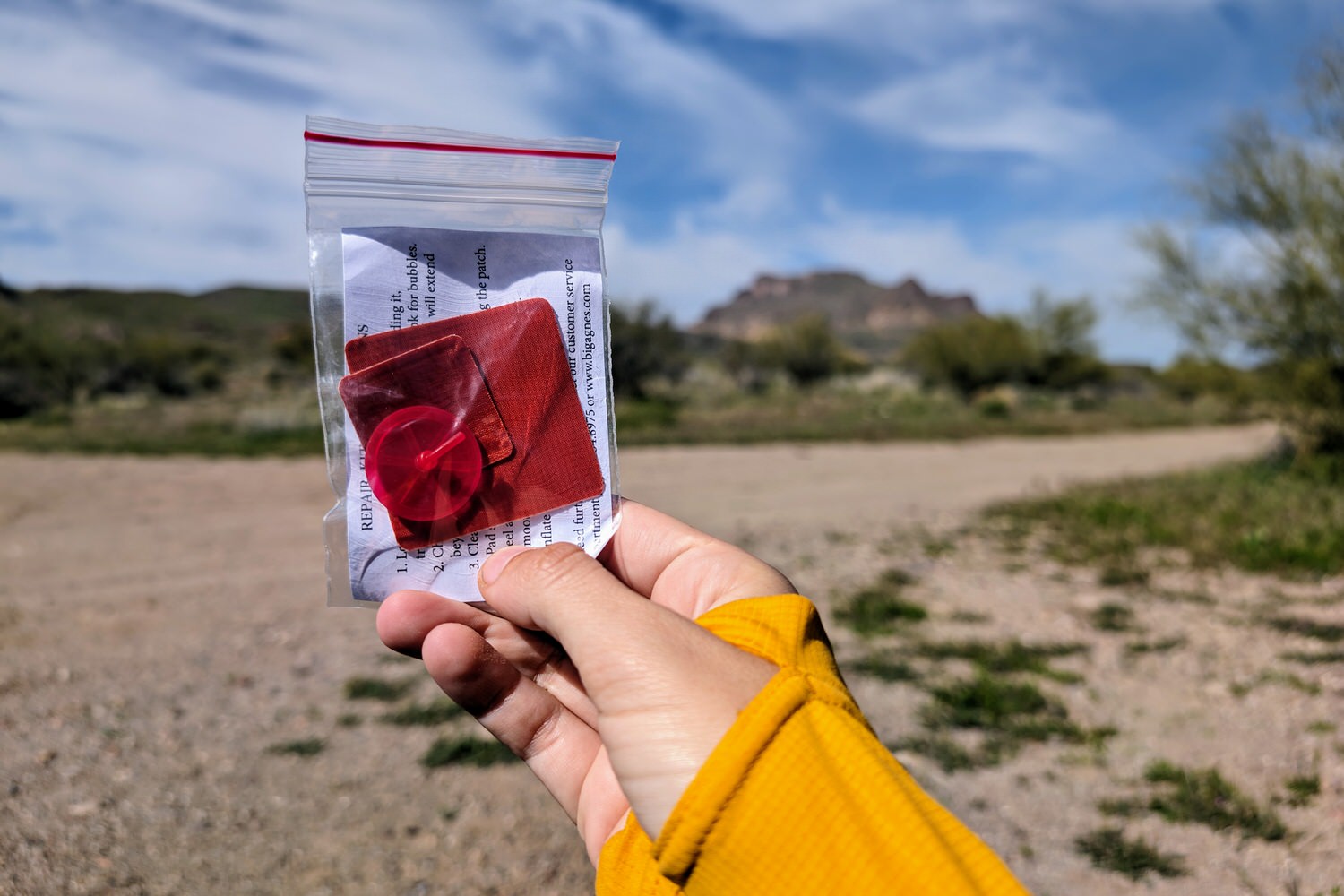
Yes. Pack a small repair kit with your inflatable pad – most pads come with them. Sharp objects (sand, pine and cactus needs, etc.) can puncture air pads, so always clear debris from your sleeping area before setting up camp. We also like Tenacious Tape for all kinds of backcountry repairs.
The added weight of a repair kit, or at least a piece of tape, is trivial compared to the inconvenience and discomfort of a deflating pad.
Do I Need a Pump Sack?
Not usually. Pump sacks can keep you from getting lightheaded while inflating your pad, but they are not strictly necessary. Using a sack may slow the growth of mold inside your inflatable pad (since you’re not blowing moist, germy breath directly into it), but ambient air also contains moisture, so the inside of your pad won’t stay pristine no matter what you do.
What Size Sleeping Pad Do I Need?
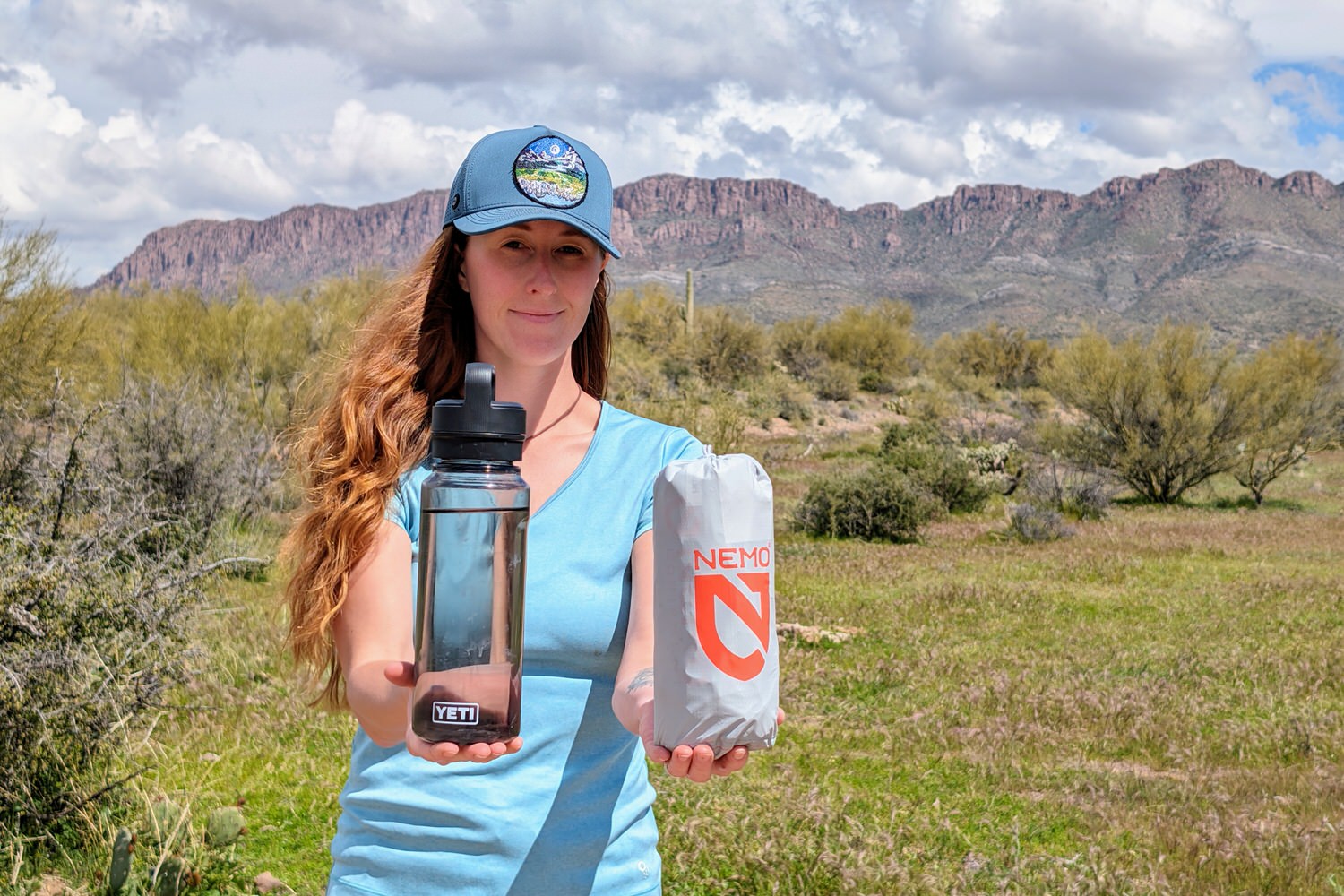
Industry standard dimensions for a regular sleeping pad are 20 inches wide and 72 inches long. This is sufficient for people between 5’4″ and 6′. If you are under 5’4″, you should consider a short version (they are almost always lighter and sometimes less expensive). If you are over 6′, you will likely want a long version of the pad, most of which are 76-78 inches.
Wide versions of sleeping pads are often 25 inches. If you have a wider upper body (i.e. shoulders or abdomen), getting a wider size is a big comfort upgrade, especially if you are a back or stomach sleeper. Side sleepers are often fine on standard-width pads, regardless of body dimensions.
If you are right on the edge of two sizes, consider the style of the sleeping pad. If it has rails, those can help you and your pillow stay on the pad throughout the night, so the smaller size could be fine. If the sides are sloped, consider sizing up.
Remember, you don’t sleep at the tippy top of a pad – there’s at least an inch or two of space between the top of the pad and the top of your head, so if you are, for example, exactly 6′, a 72-inch pad may not cut it if you don’t like the feeling of having your heels hanging off the end.
What is the Difference between a Mummy Sleeping Pad and Rectangular Sleeping Pad?
Mummy-shaped sleeping pads (wider at top and narrower at the bottom) save weight, and are sometimes slightly less expensive. Those who like to sprawl out or sleep in the jack-knife position will be more comfortable on a rectangular pad.
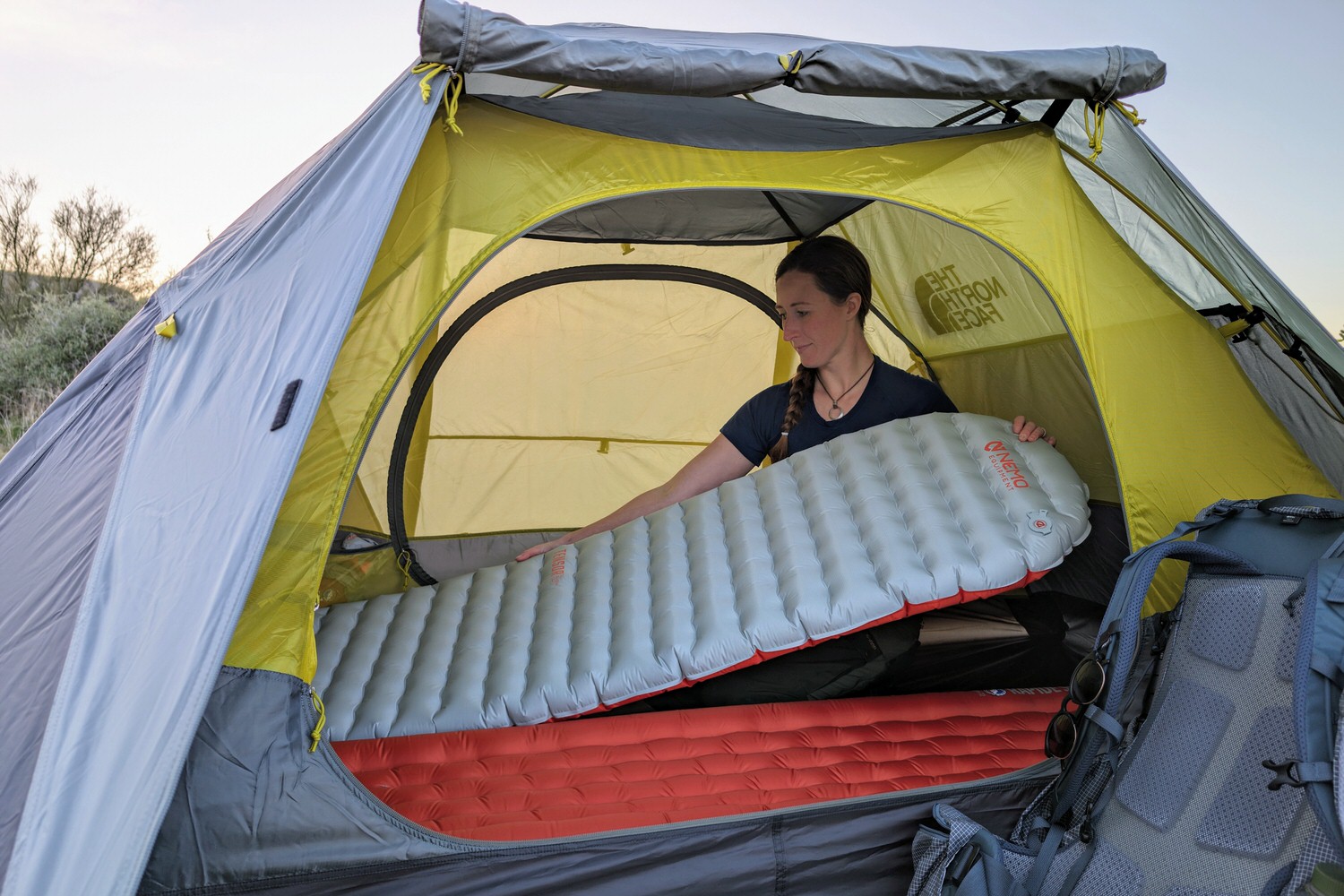
Why Trust CleverHiker
Our team of experts has backpacked 100,000 miles and used these sleeping pads for more than 3,000 nights on trail.
Gear Analyst, Brett Kretzer, has hiked several of America’s most iconic long trails, including the Colorado Trail (twice), Long Trail, Wonderland Trail, Spain’s GR11, and multiple treks in Nepal.
His 3,000 miles of deep experience in the wilderness gives him an intimate understanding of sleep systems, and he has tested at least 40 different pads over the years. His prior work as a gear analyst also honed his skills in comparative analytics, which he put to good use testing sleeping pads.
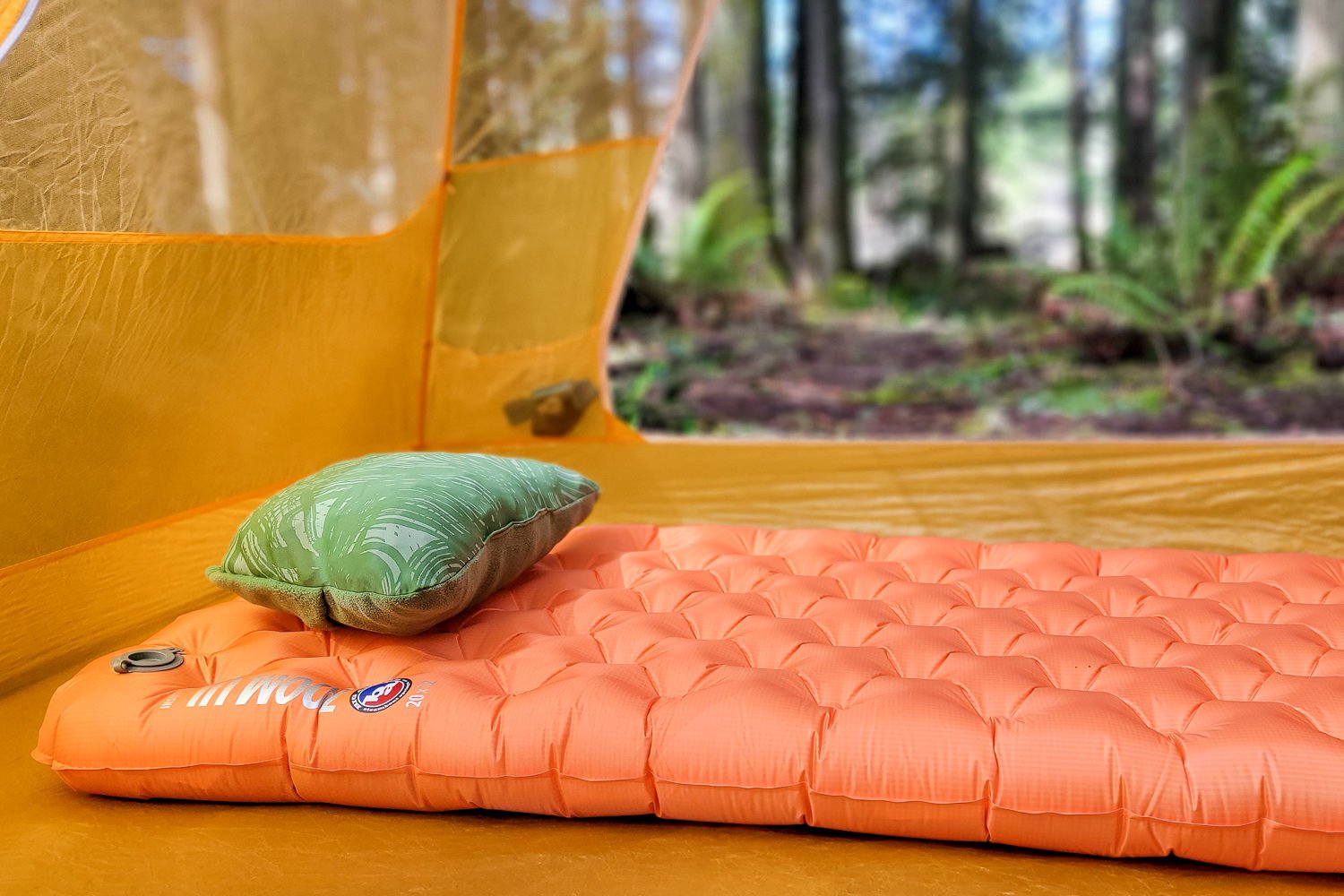
Testing Methodology
We have spent over 3,000 nights on trail with sleeping pads, testing them for comfort, weight, warmth, durability, and ease of use.
How We Test Comfort
We evaluate thickness, baffle structure, support, usable sleeping area, pressure distribution, surface feel, noise, and how easily a pad can be adjusted to the sleeper’s preferred firmness.
We pay particular attention to side-sleeper support because hips and shoulders create more concentrated pressure than back or stomach sleeping.
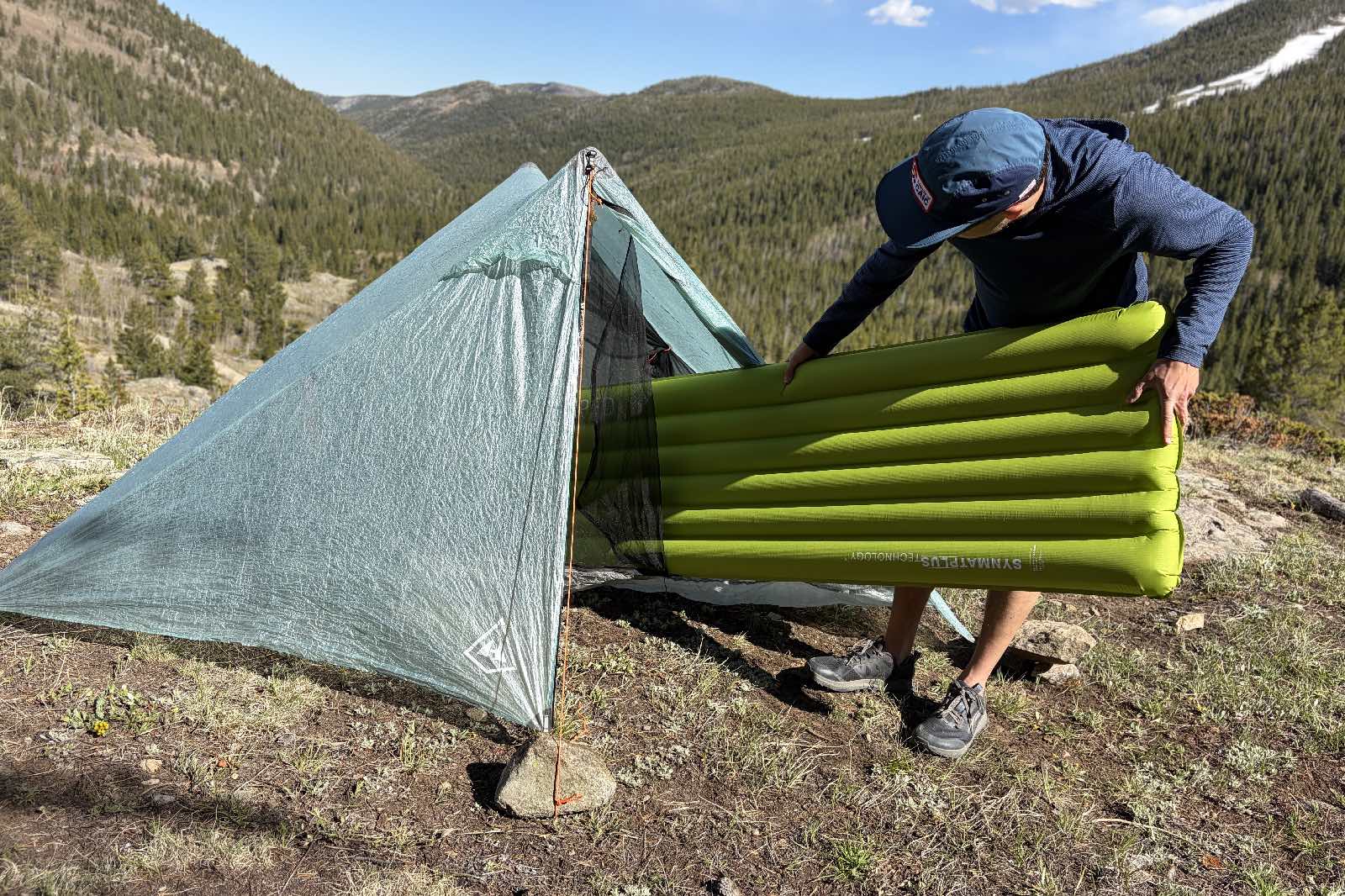
How Do we Measure Weight?
We weigh pads during category testing when practical and compare our measurements with manufacturer specifications. When an individual review relies on a manufacturer-listed weight instead, we label that distinction rather than presenting it as a CleverHiker measurement.
A low number is not automatically better. Weight savings can come from narrower shapes, thinner fabrics, less insulation, or smaller valves and accessories, so we evaluate what the user gives up to reach that weight.
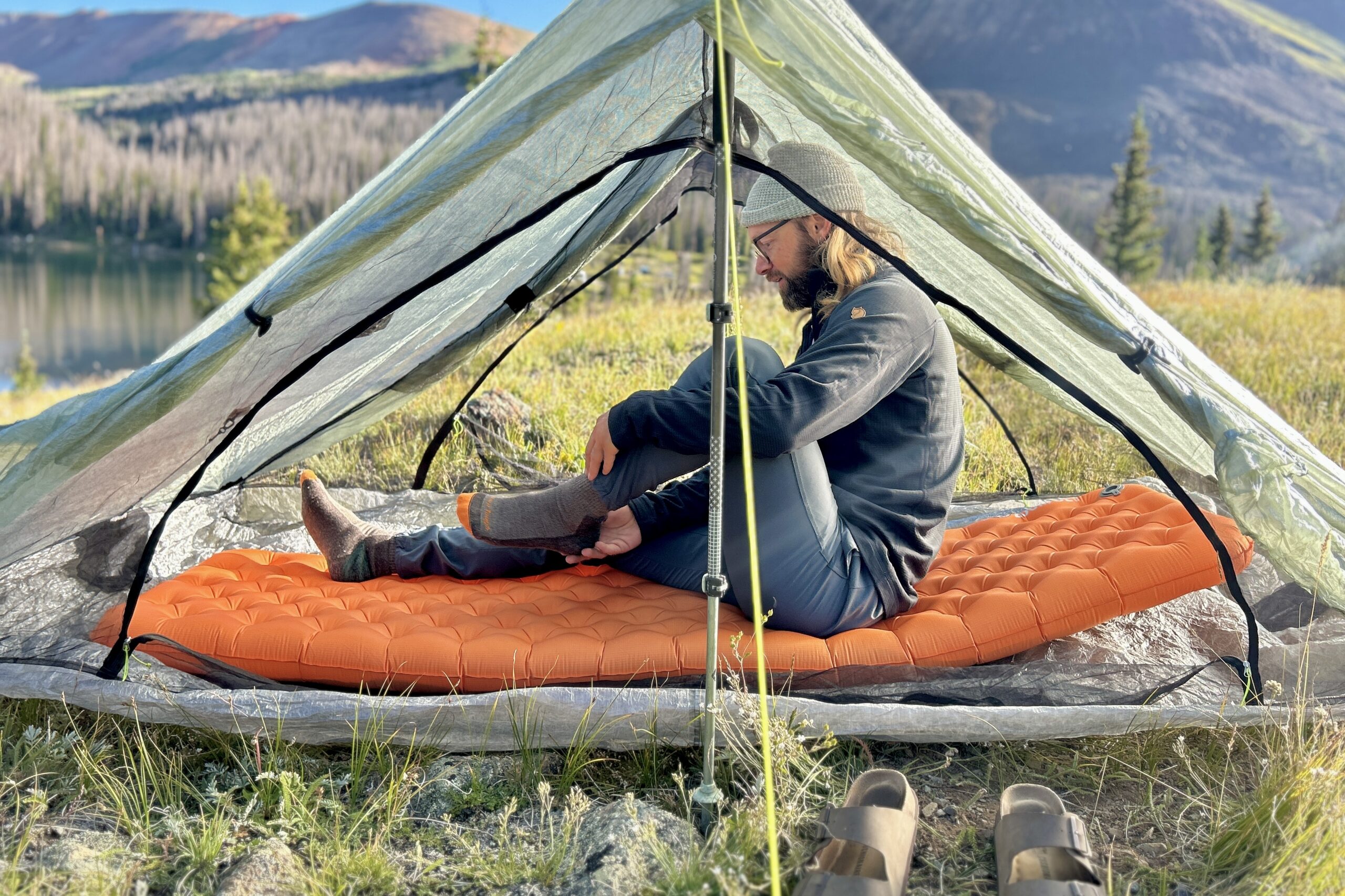
Assessing Sleeping Pad Durability
We examine fabric denier, abrasion resistance, seam quality, valve design, and how the pad holds up over repeated nights.
For inflatable pads, we pay particular attention to the bottom fabric and valve seams because those are common wear and failure points.
For foam pads, we look at tearing, permanent compression, and how quickly the molded structure loses loft.
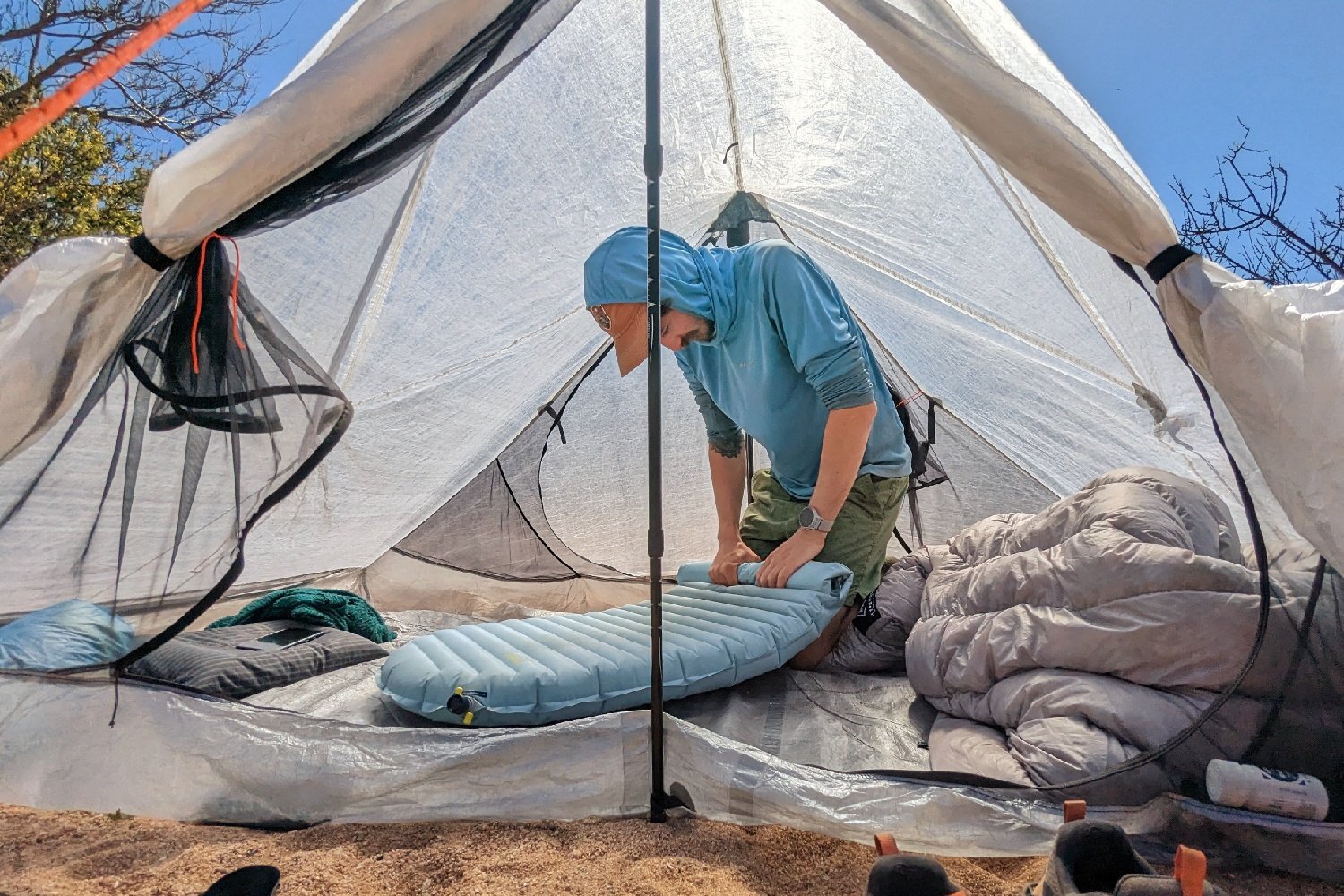
Measuring Warmth
We combine standardized R-values with field experience. R-value provides a useful baseline, but our recommendation depends on how the pad actually performs in the temperatures and ground conditions our testers encounter.
When field experience conflicts with what a spec sheet might imply, we preserve the field observation instead of upgrading the recommendation based only on the number.

How Easy are These Sleeping Pads to Set Up?
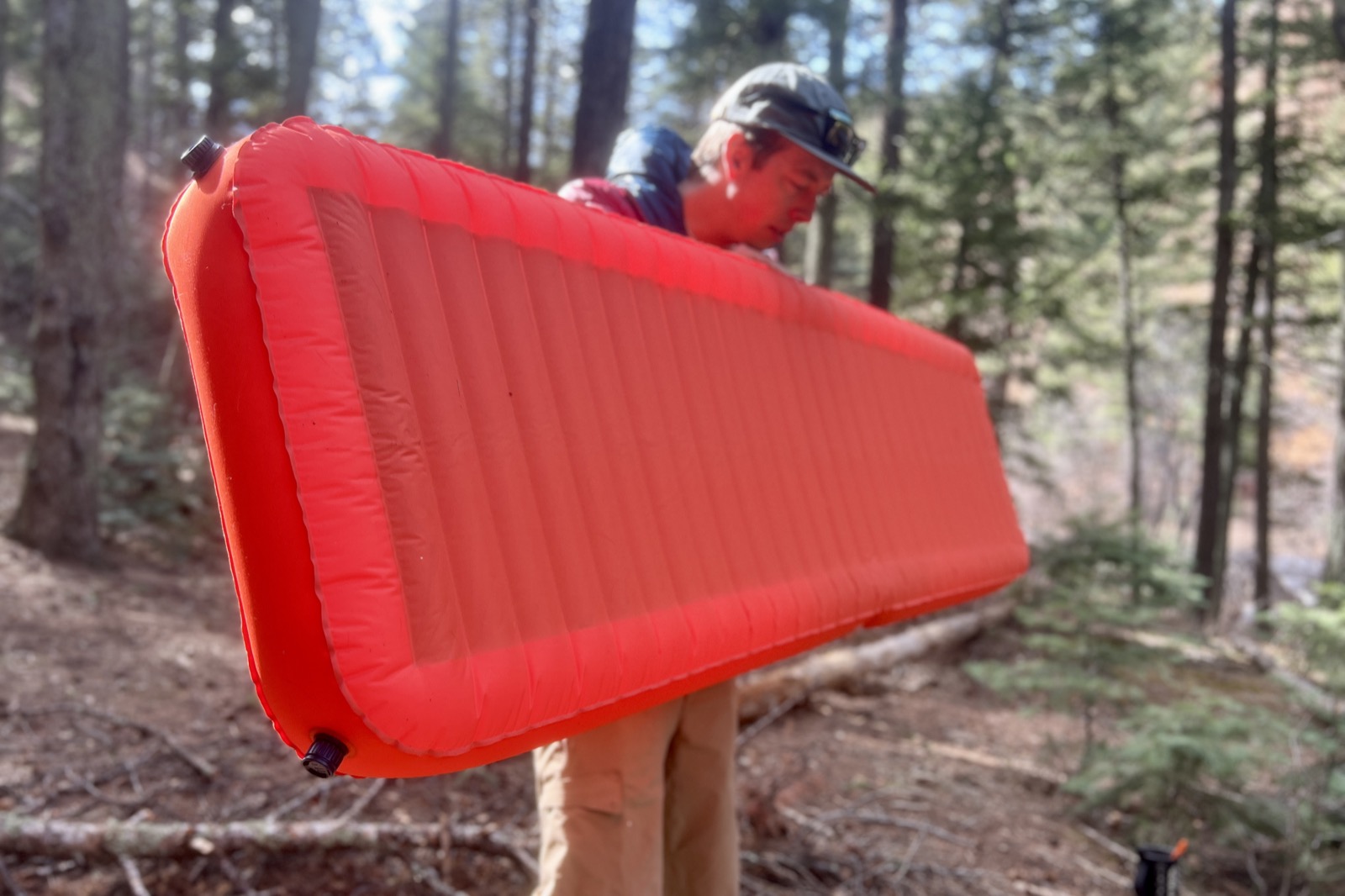
For inflatable pads, we evaluate pump-sack efficiency, inflation time, valve operation, firmness adjustment, deflation speed, rolling, and how forgiving the stuff sack is.
For foam pads, setup is nearly instantaneous, so we focus more on carry bulk and how easy the pad is to deploy for quick breaks or supplemental use.
Conclusion
Our favorite pad is the right balance of weight, comfort, and durability. We recommend an inflatable pad over a foam pad for most people. If you can keep it at or around a pound with an R-Value of 3-4 (for summer backpacking), you’ll be in good shape. We hope this guide has led you one step closer to dialing in your ideal sleep system!