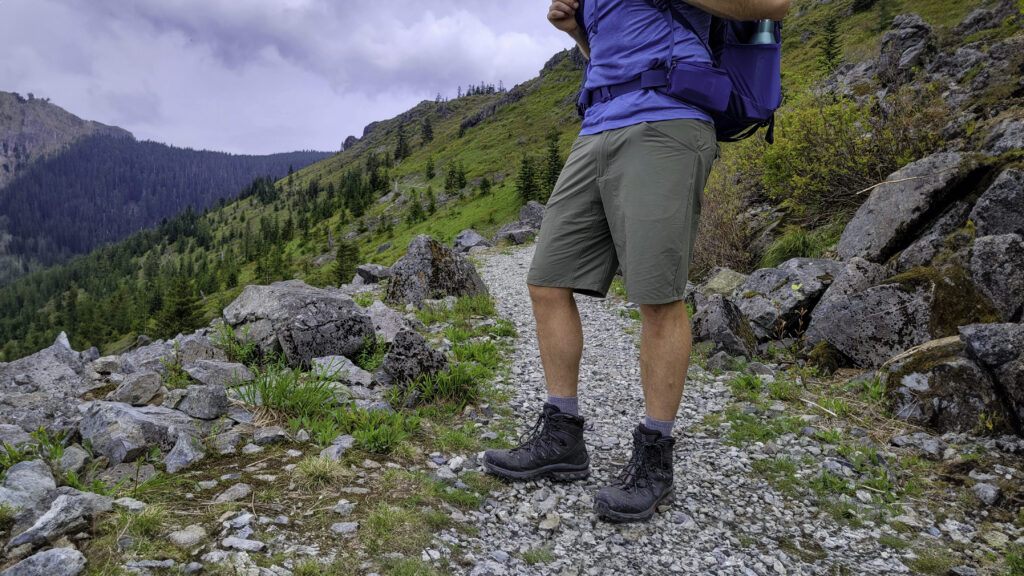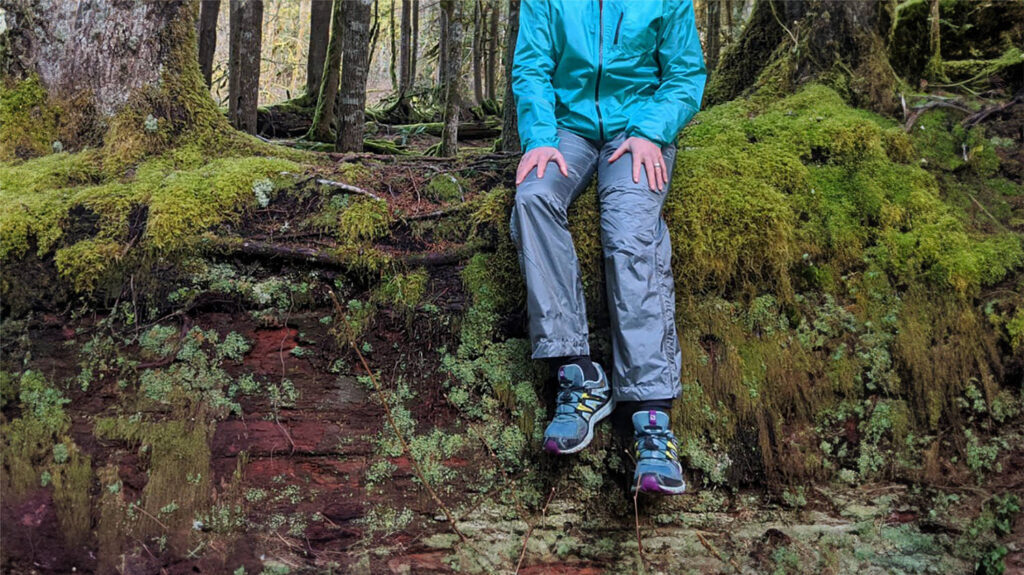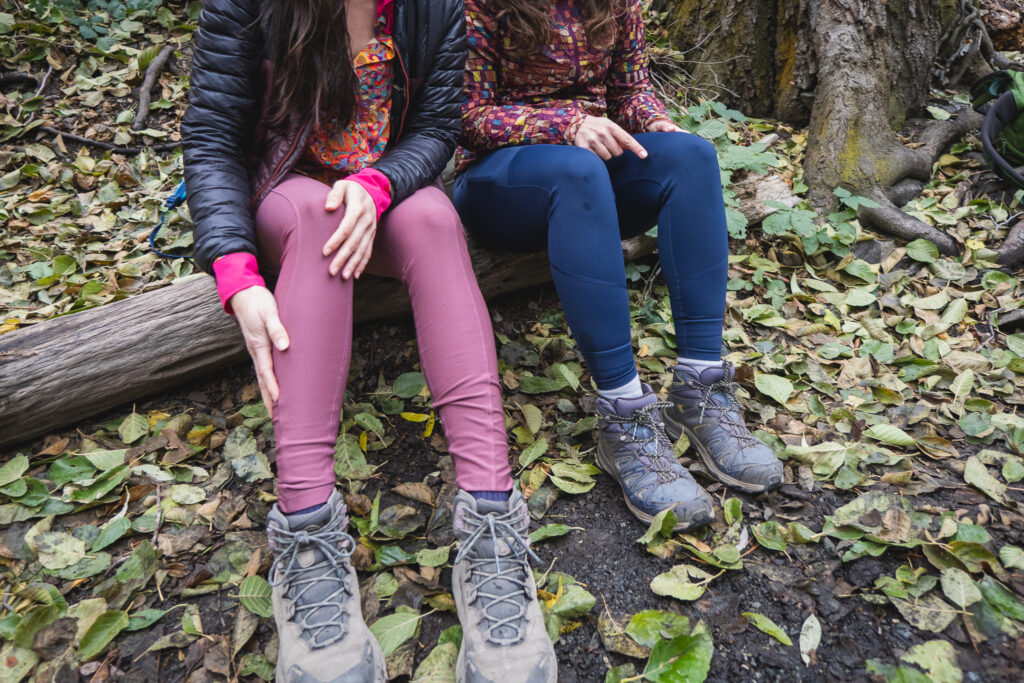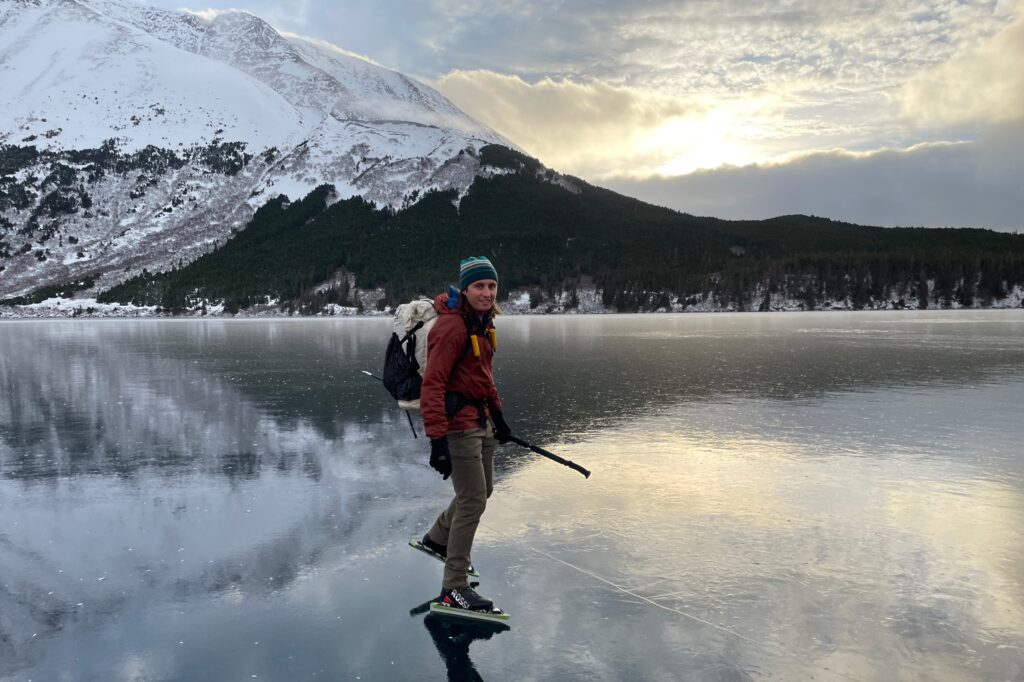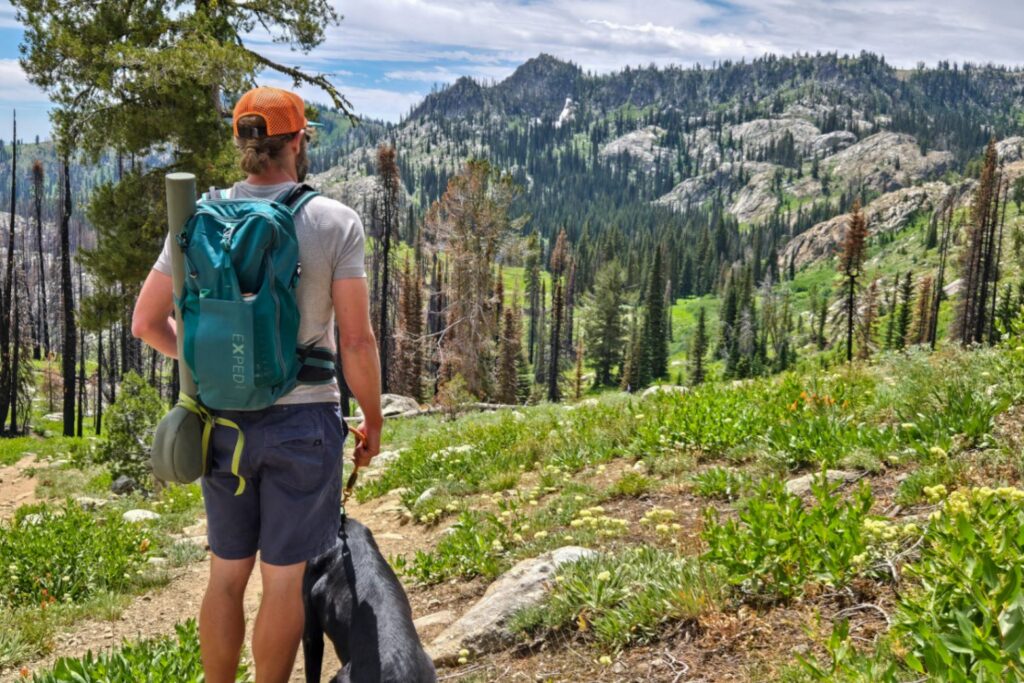
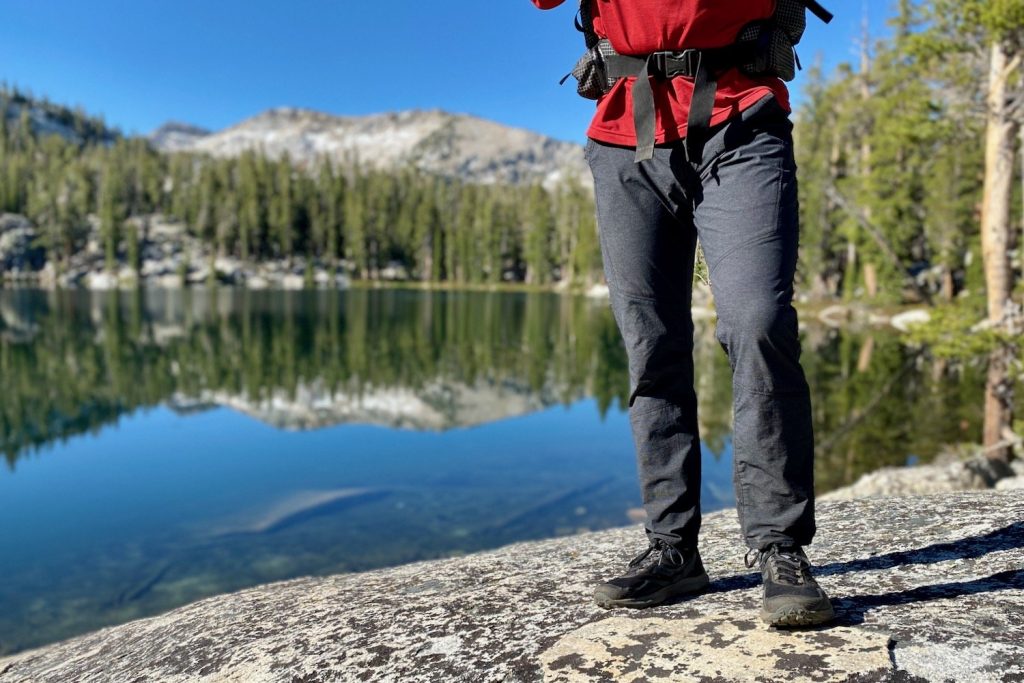
Since 2012, CleverHiker has tested more than 60 pairs of hiking pants on trails around the world. For this update, we compared 14 current models from Outdoor Research, Arc’teryx, Mammut, Patagonia, Norrona, Fjallraven, REI, prAna, KUHL, and Columbia to find the best options for different conditions, body types, and budgets.
Our rankings reward overall performance, but the lower-ranked specialists can still be the right choice when their strengths match the trip.
Editor’s Note: We updated this guide on October 9, 2026, with refreshed rankings and revised individual reviews.
How we Test
We tested the current field side by side, primarily in Alaska, with a focus on comfort and mobility, breathability, weather resistance, durability, and features. Testing included maintained trails, steep hiking, scrambling, brush, rock, rain, wind, snow, travel, and repeated everyday use where the supporting CleverHiker evidence documented those conditions.
Long-term CleverHiker experience also matters when it helps separate products. Some models have years of trail history behind them, while newer additions were evaluated against the same category criteria. We compare our legacy data with manufacturer-listed specs.
And for more info, check out some of our other most popular gear guides:

#1. Best Men’s Hiking Pants Overall
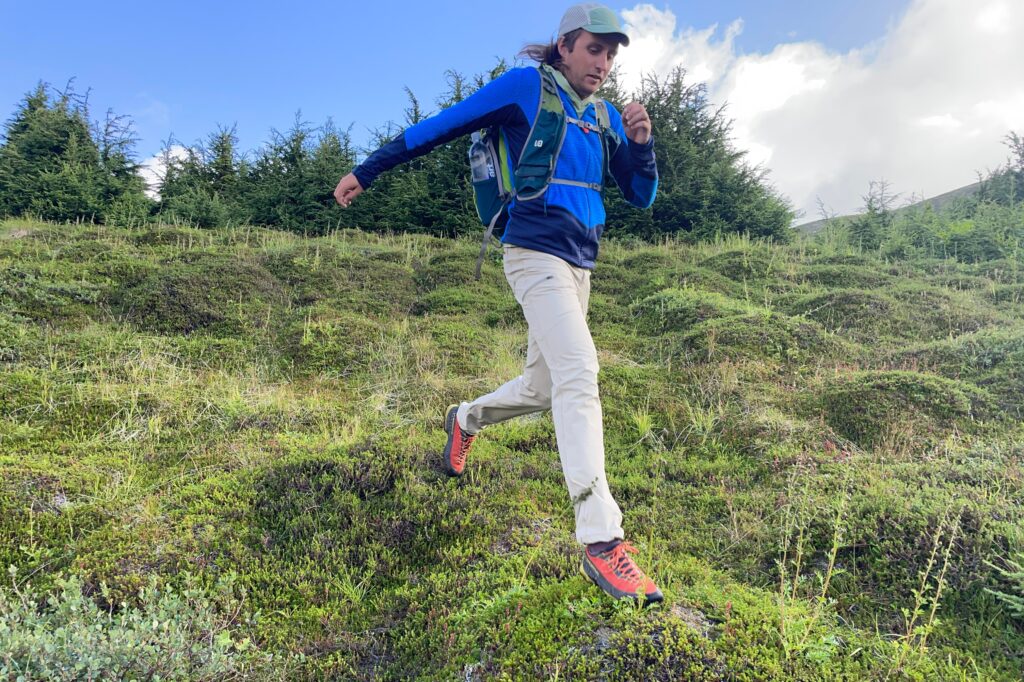
The Outdoor Research Ferrosi is our favorite men’s hiking pant because it combines excellent mobility, strong breathability, fast drying, useful adjustments, and enough durability for everyday backpacking without feeling heavy. It is not the most protective option for repeated brush or sustained wet weather, but for the broadest range of three-season trail use it asks for the fewest compromises.
Quick Picks for Men’s Hiking Pants
Check out this quick list of our favorites if you’re in a hurry, or continue scrolling to see our full list with in-depth reviews.
1. Best Hiking Pants Overall: Outdoor Research Ferrosi ($110)
2. Best Hiking Pants for Durability & Weight: Arc’teryx Gamma ($200)
3. Best Stretchy Lightweight Hiking Pants: Mammut Runbold IV ($119)
4. Best Pants for Mobility: Patagonia Terravia Alpine ($149)
5. High Performance Pants with Zippered Vents: Norrona Femund Flex1 ($189)
6. Most Durable Hiking Pants: Fjallraven Keb Agile ($210)
7. Hiking Pants with Comfortable Waist: Patagonia Terravia Trail ($129)
8. Best Softshell Pants for Cool Weather Hikes: REI Activator 3.0 ($100)
9. Best Budget Pants: REI Trailmade ($80)
10. Light & Comfortable Pant with Simple Pockets: Patagonia Quandary ($99)
11. Stretchy Hiking-Climbing Pants: prAna Stretch Zion ($98)
12. Convertible Hiking Pants/Shorts: KUHL Renegade Convertible ($139)
13. Affordable & Breathable Convertible Pants: REI Sahara Convertible ($90)
14. Best Budget Convertible Pants: Columbia Silver Ridge Convertible ($80)
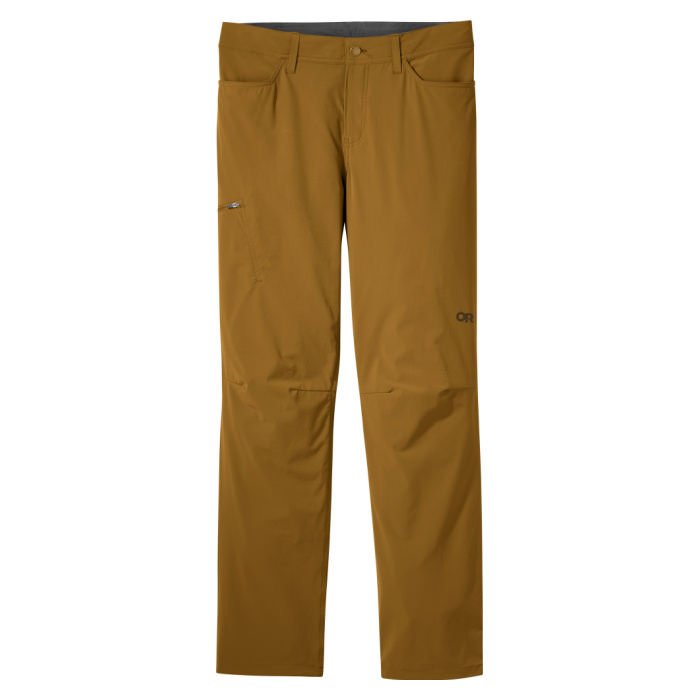
Men’s Outdoor Research Ferrosi
Best Hiking Pants Overall
CleverHiker Rating: 4.8/5.0
Price: $110
Weight: 10.7 oz.
Fit: Straight-leg
Fabric: 86% nylon (46% recycled), 14% spandex
Pros
- Super airy and comfortable
- Excellent stretch & mobility
- Quick drying
- Useful internal drawstring & cuff cinches
Cons
- Waist can loosen over consecutive days
- Not built for sustained heavy rain
- Less protective than heavier technical pants
The Outdoor Research Ferrosi earns the top spot because it is exceptionally easy to live with on trail. The fabric stretches freely through high steps and scrambling, the brushed waistband is comfortable against the skin, and the light construction manages heat better than most full-length pants.
It also has unusually strong long-term credibility for a lightweight option. Our team has used the Ferrosi for extended backpacking, including a roughly 3,000-mile thru-hike, and the durability-to-weight balance remains one of its defining strengths.
The compromise is protection. Repeated brush, sharp rock, and prolonged rain are better handled by the Gamma or Keb Agile, but hikers who want one versatile pair for warm-to-mild three-season hiking will get more mileage out of the Ferrosi than most alternatives.

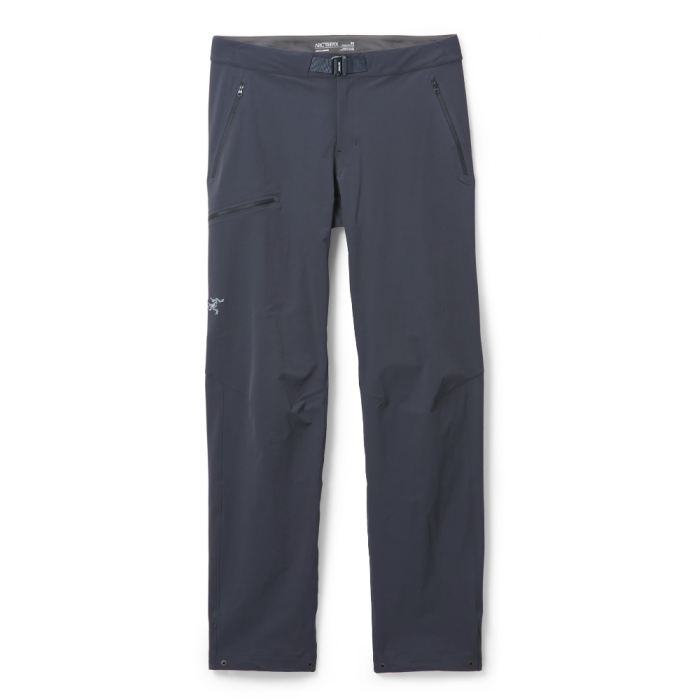
Men’s Arc’teryx Gamma Pants
Best Hiking Pants for Durability & Weight
CleverHiker Rating: 4.7/5.0
Price: $200
Weight: 12.5 oz.
Fit: Fitted
Fabric: 88% nylon, 12% elastane
Pros
- Excellent durability for the weight
- Strong stretch & mobility
- Built-in belt
- All pockets zip securely
- Cinchable ankle hems
- Good wind & light-rain protection
Cons
- Expensive
- No back pockets
- Warmer than lightweight summer pants
The Arc’teryx Gamma Pants are the premium choice for hikers who want substantially more weather and abrasion protection without stepping into truly heavy pants. Its thicker stretch fabric shrugs off brush and rock, yet the gusseted construction and athletic cut keep it mobile enough for scrambling.
Cool, exposed terrain is where the extra cost makes the most sense. Wind resistance is excellent, light precipitation is handled better than by most summer-weight options, and the integrated belt and zippered pockets work cleanly under a pack or harness.
Hot-weather hikers can save money and gain airflow with the Ferrosi or Runbold IV. For alpine routes, shoulder-season trips, and hikers who are hard on clothing, the Gamma offers one of the best protection-to-weight ratios in the category.
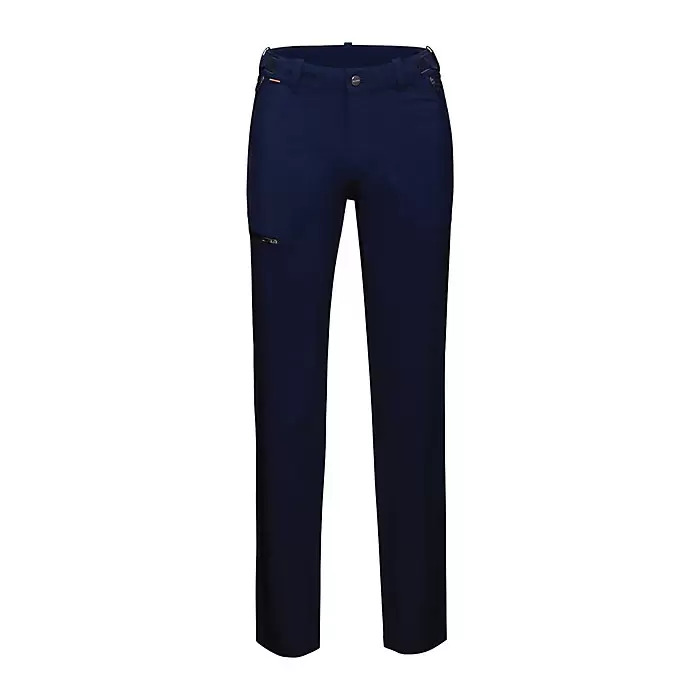
Men’s Mammut Runbold IV
Best Stretchy Lightweight Hiking Pants
CleverHiker Rating: 4.7/5.0
Price: $119
Weight: 10.3 oz.
Fit: Slim
Fabric: 85% polyamide, 15% spandex
Pros
- Very lightweight
- Exceptional stretch & freedom of movement
- Fast drying
- All pockets zip
- Adjustable hook-and-loop waist tabs
- Excellent breathability
Cons
- Slim fit can be tight on larger legs
- Sizing may require going up
- Limited heavy-weather protection
Few pants in this guide feel as athletic as the Mammut Runbold IV. Its low weight and high stretch make steep hiking, scrambling, and repeated high steps feel natural, while fast-drying fabric keeps it comfortable during hard efforts.
The close cut is a meaningful buying consideration. Hikers with larger thighs may need to size up or choose the roomier Ferrosi, and the light fabric is built more for sun, sweat, and passing moisture than for storm protection.
For leaner hikers who want a fast, technical pant without paying premium-softshell prices, the Runbold IV is one of the sharpest performance values in the lineup.
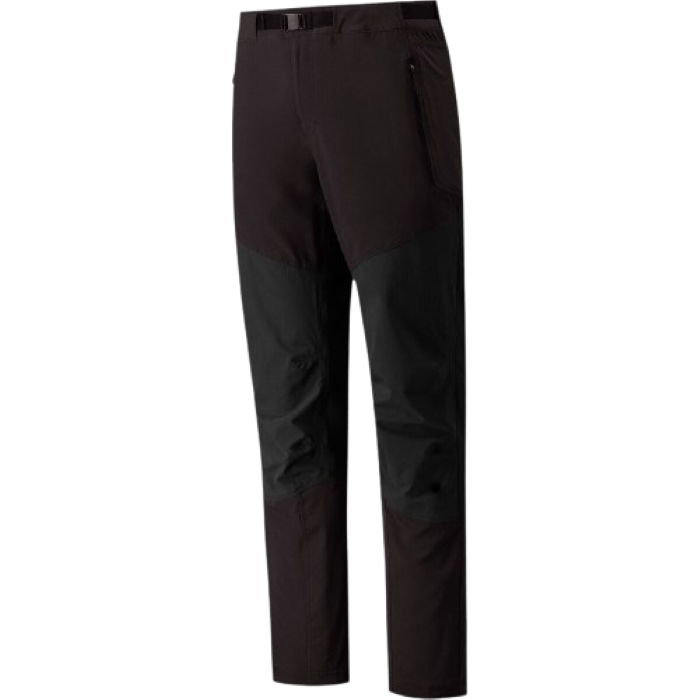
Men’s Patagonia Terravia Alpine Pants
Best Pants for Mobility
CleverHiker Rating: 4.6/5.0
Price: $149
Weight: 12 oz.
Fit: Slim
Fabric: 86% recycled polyester, 14% recycled spandex
Pros
- Outstanding mobility
- Excellent stretch
- Quick drying
- Durable for a lightweight pant
- Useful integrated belt
- Versatile for hiking & climbing
Cons
- Slim fit does not suit every body type
- Limited sustained rain protection
The Patagonia Terravia Alpine Pants is built around movement. Climbing-oriented patterning and highly elastic fabric make deep knee flexion, high steps, and scrambling feel unusually unrestricted, which is why it earns our mobility superlative.
It also withstands rough rock better than its light feel suggests. That makes it a better technical choice than many warm-weather pants when a trip blends trail hiking with climbing or alpine movement.
The narrow cut is the main fit limitation, and rain protection remains modest. Hikers who want similar freedom with more room should look at the Ferrosi; those who need stronger weather performance should move toward the Gamma.
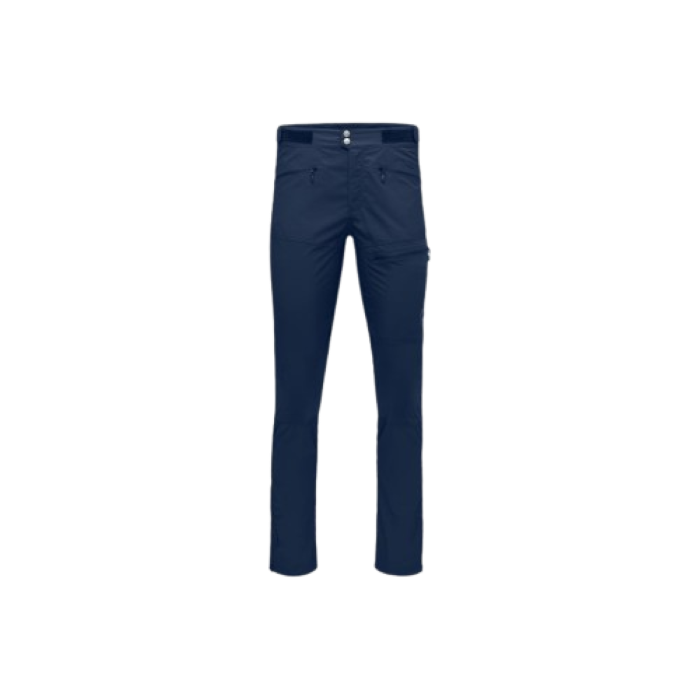
Men’s Norrona Femund Flex1 Lightweight Pants
High Performance Pants with Zippered Vents
CleverHiker Rating: 4.6/5.0
Price: $189
Weight: 12 oz.
Fit: Technical
Fabric: 86% nylon, 14% elastane
Pros
- Excellent mobility
- Zippered leg vents
- Strong durability
- Very good breathability
- Adjustable waist & cuffs
- Useful gaiter hooks
Cons
- High price
- Small, awkward hand pockets
The Norrona Femund Flex1 Lighweight Pants is one of the best options for hikers who want durable softshell-like performance without giving up active ventilation. The long leg vents dump heat quickly, while the stretchy double-weave fabric remains comfortable on technical terrain.
Its durability is backed by rough use on granite, brush, and windy alpine routes. Waist adjustment, cuff zips, and gaiter hooks also make the design more adaptable than simpler hiking pants.
The price is high and the hand pockets are unusually small. If you will use the vents and mountain-specific features, the package is compelling; if not, the Runbold IV or Ferrosi delivers excellent mobility for much less.
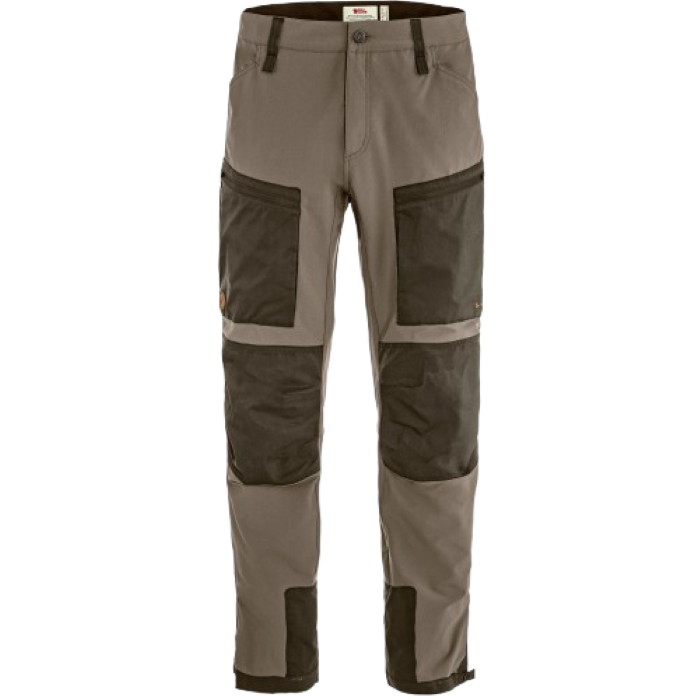
Men’s Fjallraven Keb Agile Pants
Most Durable Hiking Pants
CleverHiker Rating: 4.5/5.0
Price: $210
Weight: 14.6 oz.
Fit: Slim, Straight
Fabric: G-1000 Lite Stretch (polyester, cotton, nylon)
Pros
- Exceptional durability
- Reinforced high-wear areas
- Zippered side vents
- Strong weather resistance
- Useful thigh pockets
- Adjustable cuffs
Cons
- Very expensive
- Runs warm in higher temperatures
- Heavier than light hiking pants
The Fjallraven Keb Agile is the specialist for hikers who expect repeated abrasion. Reinforced knees, cuffs, and pockets give it a protective feel that lighter trail pants cannot match, and our testing included brush, gravel, rough surfaces, and yard work.
The dense fabric also blocks wind and delays wet-through better than most non-waterproof pants here. Side vents help manage heat, but they cannot fully compensate for the heavier construction on warm, high-output days.
This is overkill for smooth summer trails. For trail work, bushwhacking, rocky off-trail travel, and cool shoulder-season hiking, the Keb Agile justifies its weight and price better than almost anything else in the field.
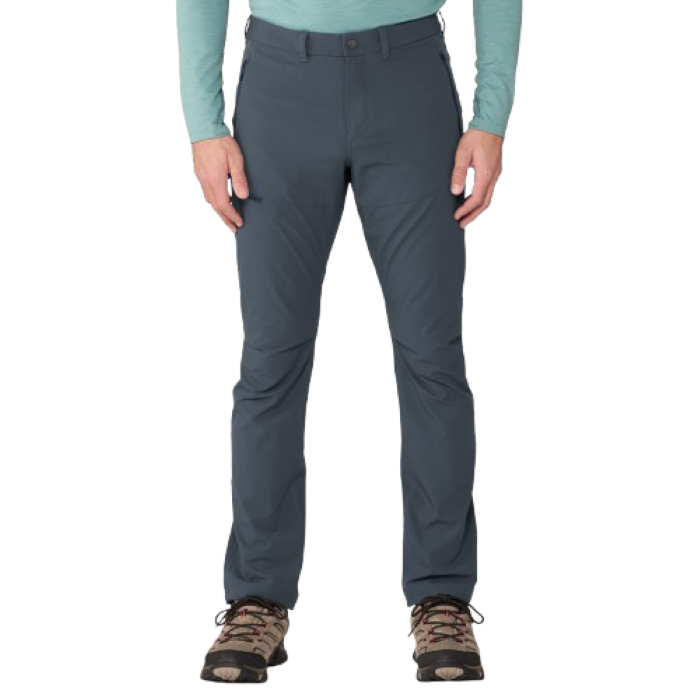
Men’s Patagonia Terravia Trail Pants
Hiking Pants with a Comfortable Waist
CleverHiker Rating: 4.5/5.0
Price: $139
Weight: 12 oz.
Fit: Slim
Fabric: 86% recycled polyester, 14% recycled spandex
Pros
- Very comfortable waistband
- Excellent stretch
- Breathable
- Quick drying
- All zippered pockets
- Versatile for hiking and travel
Cons
- Low weather resistance
- Thin material offers limited brush protection
- Stains easily
The Patagonia Terravia Trail stands out for all-day wearability. Its partially elastic waistband remains comfortable through hiking, travel, and long periods of sitting, while stretchy fabric keeps the cut mobile without adding bulk.
Warm-weather performance is another strength. The fabric releases heat quickly and dries fast, which makes the pant particularly good for maintained trails, high-output days, and travel where one garment has to work in several settings.
Thin material is the tradeoff. It provides limited protection from brush and sharp terrain and is not our choice for wet, exposed routes. The Ferrosi is the stronger all-rounder; the Terravia Trail is the better pick when waistband comfort and a light trail-to-travel feel come first.
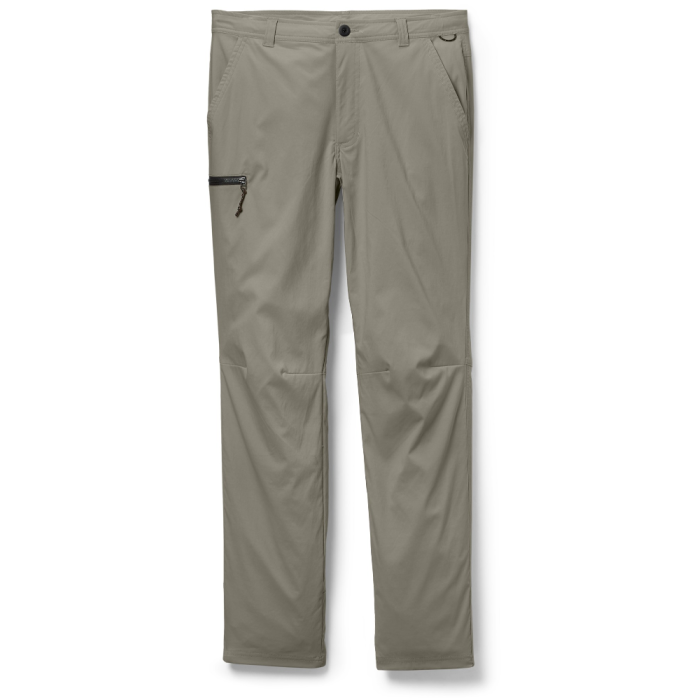
Men’s REI Trailmade Pants
Best Budget Hiking Pants
CleverHiker Rating: 4.4/5.0
Price: $80
Weight: 11.6 oz.
Fit: Standard, straight-leg
Fabric: 96% nylon, 4% spandex
Pros
- Affordable
- Lightweight
- Comfortable
- Breathable
- Useful pockets
- Adjustable drawstring waist
Cons
- Limited rain and wind protection
- Less resilient in harsh terrain
- No ankle cinches on the men's version
The REI Trailmade is the easiest budget recommendation for hikers who do not need specialized weather protection. It is light, comfortable, breathable, and equipped with a practical pocket layout and drawstring waist for only $80.
Its limits become clear in rough or exposed terrain. The fabric does not provide much protection from sustained rain, cold wind, or repeated abrasion, and the men’s version lacks cuff cinches.
For maintained trails, fair-weather backpacking, and newer hikers building a kit, the Trailmade delivers the essentials without obvious gimmicks. Spend more on the Ferrosi when you want stronger all-around performance or on the Activator when cold-weather protection matters.

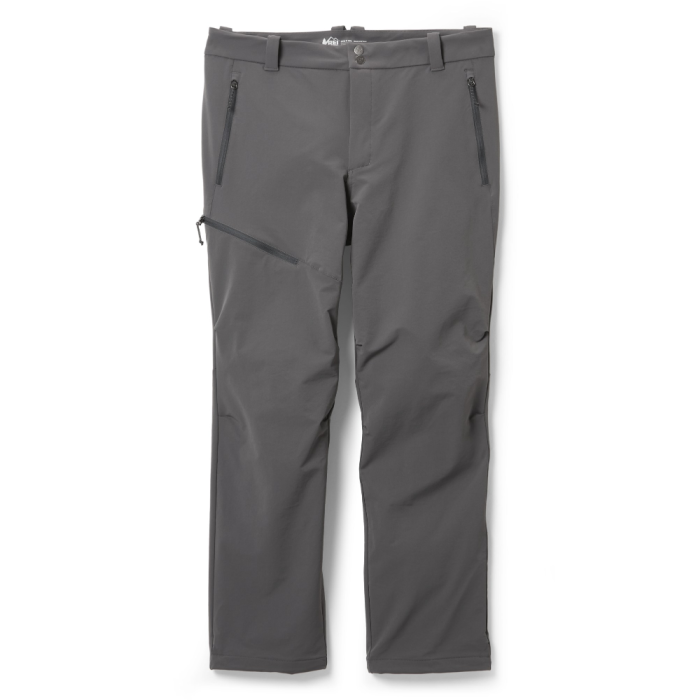
Men’s REI Activator Pants
Best Softshell Pants for Cool Weather Hikes
CleverHiker Rating: 4.4/5.0
Price: $100
Weight: 15.1 oz.
Fit: Standard
Fabric: 63% nylon, 26% polyester, 11% spandex
Pros
- Warm for cool-weather hiking
- Good value for a softshell
- Comfortable four-way stretch
- Handles light rain and snow well
- Useful ankle cinches
Cons
- Too warm for summer hiking
- Slow drying when saturated
- Shallower pockets than some competitors
For cool conditions on a reasonable budget, the REI Activator Pants is hard to beat. Its brushed interior, substantial stretch, and dense fabric make it warmer and more protective than the lightweight leaders without approaching Gamma pricing.
The weather performance is unusually good for the cost. We used it in drizzle, sleet, wind, and snow, and the pant delayed saturation much longer than basic trail pants.
That same fabric becomes uncomfortable when temperatures climb. Hikers who mostly travel in heat should choose the Ferrosi; those who want a more refined and lighter technical softshell can justify spending up for the Gamma.
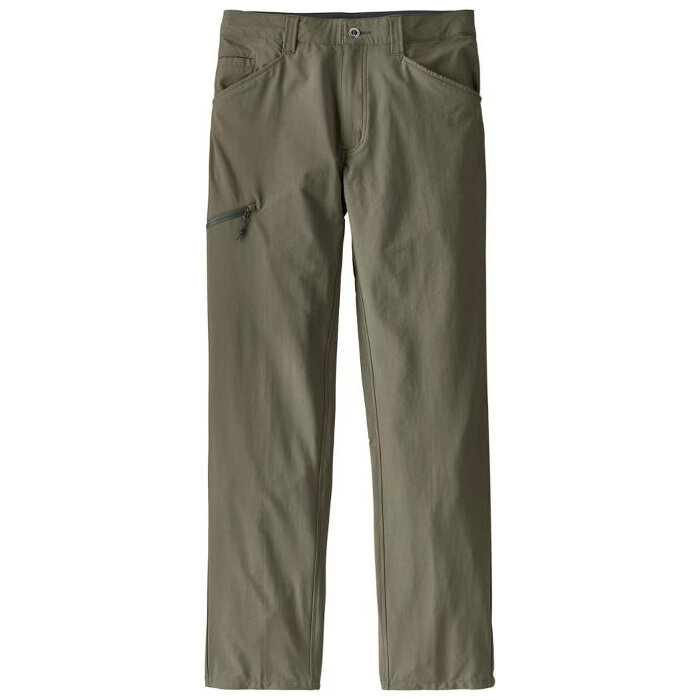
Men’s Patagonia Quandary
Light & Comfortable Pant with Simple Pockets
CleverHiker Rating: 4.2/5.0
Price: $100
Weight: 10.9 oz.
Fit: Standard, straight-leg
Fabric: 94% nylon (recycled), 6% spandex
Pros
- Lightweight
- Comfortable curved waistband
- Simple pocket layout
- Casual appearance
- Adjustable drawcord waist
- Quick drying
Cons
- Less stretch than category leaders
- DWR requires maintenance over time
- Less technical for rough terrain
The Patagonia Quandary makes sense for hikers who want their trail pants to look and feel less technical. The curved waistband, clean pocket arrangement, and low weight translate well from day hikes to travel and casual use.
Trail performance is solid rather than exceptional. It dries quickly and handles routine hiking comfortably, but the fabric is less elastic than the Ferrosi or Runbold IV and offers less protection for repeated rough-terrain use.
For buyers who value simple styling and crossover use, that balance is appealing. Technical hikers can get more stretch from the Ferrosi or better warm-weather mobility from the Terravia Trail.
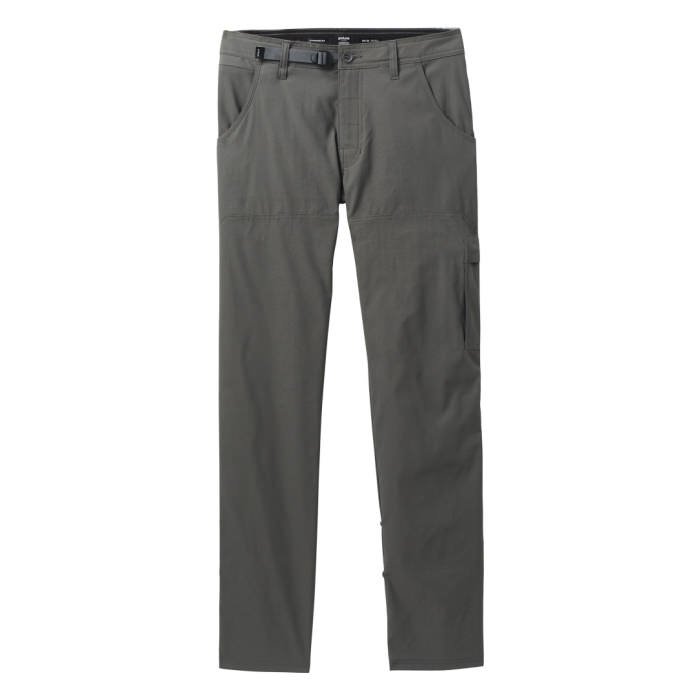
Men’s prAna Stretch Zion Standard
Stretchy Hiking-Climbing Pants
CleverHiker Rating: 4.2/5.0
Price: $98
Weight: 14.2 oz.
Fit: Relaxed
Fabric: 95% nylon (recycled), 5% elastane
Pros
- Comfortable relaxed fit
- Good stretch
- Built-in belt
- Useful pocket layout
- Durable stitching
- Works well for hiking and climbing
Cons
- Runs warmer than lightweight pants
- Heavier feel
- Limited rain protection
The prAna Stretch Zion Standard remains a dependable crossover pant for hiking, climbing, travel, and everyday wear. Its roomier cut and gusseted crotch allow big movements without the close technical fit of many alpine models.
A built-in belt and practical thigh pocket make it easy to use without adding separate accessories, and the heavier fabric feels more durable than many summer-oriented pants. The penalty is heat: it holds noticeably more warmth than the Ferrosi, Runbold IV, or Terravia Trail.
This is a good choice for hikers who value comfort and versatility more than minimum weight. Hot-weather specialists and hikers expecting sustained rain have better options elsewhere in the ranking.
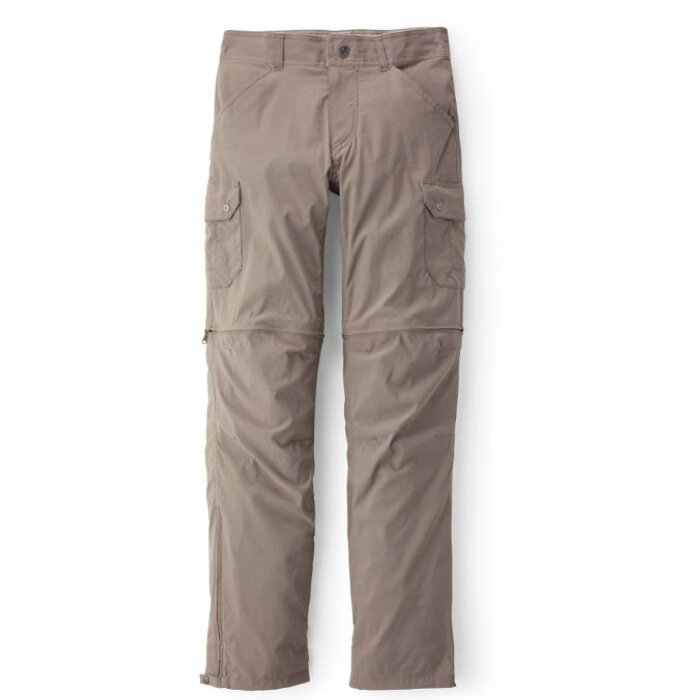
Men’s KUHL Renegade Convertible
Convertible Hiking Pants/Shorts
CleverHiker Rating: 4.0/5.0
Price: $139
Weight: 15.9 oz.
Fit: Relaxed
Fabric: 95% nylon, 5% spandex
Pros
- Durable
- Excellent pocket organization
- Smooth conversion to shorts
- Comfortable shorts mode
- Adjustable ankle bungees
Cons
- Heavy
- Bulky as full-length pants
- Less breathable than lighter convertibles
The KUHL Renegade Convertible is the convertible option for hikers who care more about toughness and storage than low weight. Eight pockets, substantial fabric, and a conversion system that creates genuinely comfortable shorts make it unusually functional on trips with large temperature swings.
It is also the heaviest pant in the current field. Full-length mode runs warmer than the Sahara or Silver Ridge, so the Renegade works best when cool starts and rougher terrain justify the extra material.
Choose it for shoulder-season hiking, travel, and frequent pants-to-shorts use where durability matters. If warm-weather ventilation is the priority, the Sahara is easier to justify.
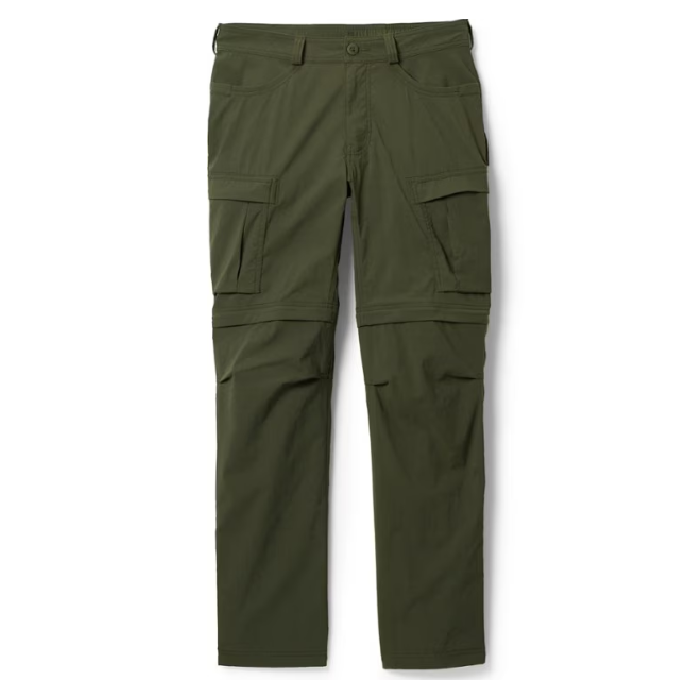
Men’s REI Sahara Convertible
Best Budget Hiking Pants
CleverHiker Rating: 4.0/5.0
Price: $90
Weight: 13.6 oz.
Fit: Standard
Fabric: 96% recycled nylon, 4% spandex
Pros
- Easy zip-off conversion
- Breathable
- Many pockets
- Side zips allow shoe-on leg removal
- Color-coded leg zippers
- Inclusive sizing
Cons
- Cargo styling is not for everyone
- No integrated belt or drawstring
- Heavier and bulkier than simple hiking pants
The REI Sahara Convertible has the most convenient conversion system of the three zip-off pants in this guide. Side zippers allow the lower legs to come off without removing footwear, and color-coded leg zippers make reattachment straightforward.
The light fabric breathes well in full-length mode, while shorts mode provides immediate relief in hotter conditions. Multiple pockets add useful storage for travel and casual trail use.
The tradeoff is bulk and fit refinement. Hikers who rarely convert will be happier in the Trailmade or Ferrosi, but buyers who genuinely want pants and shorts in one garment get a very practical design for $90.
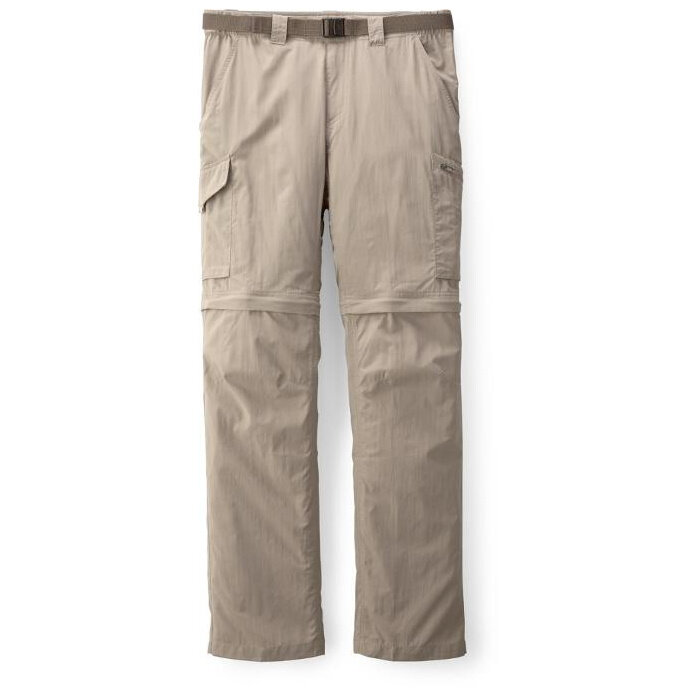
Men’s Columbia Silver Ridge Convertible
Best Budget Convertible Hiking Pants
CleverHiker Rating: 3.9/5.0
Price: $80
Weight: 11.9 oz.
Fit: Relaxed
Fabric: Main: 100% ripstop nylon, Mesh panels: 100% polyester (57% recycled)
Pros
- Affordable
- Thin and breathable
- Zip-off versatility
- Spacious pockets
- Detachable belt
- Light feel
Cons
- Limited stretch
- Low weather resistance
- Less durable than heavier options
- Shoes must come off for conversion
The Columbia Silver Ridge Convertible is the least expensive way into a true zip-off design in the current field. Loose, thin fabric keeps it comfortable in mild and hot weather, and the cargo-style pockets provide more storage than many simple trail pants.
The leg zippers are color-coded, but the conversion system still requires removing footwear. That makes it less convenient than the Sahara, and limited stretch is noticeable during scrambling or large steps.
For occasional hikers who want maximum versatility at minimum cost, the value is real. Spend $10 more on the Sahara when conversion ease matters, or choose the Trailmade if you do not need shorts mode at all.
Product Comparison Table
| oSort | Product | Price | Weight | Fit | Fabric | Comfort | Breathability | Weather Resistance | Durability | Features | Measured Weight | Inseam | 0 |
Outdoor Research Ferrosi View at REI View at Amazon 
|
$110 | 10.7 oz. | Straight-leg | 86% nylon (46% recycled), 14% spandex | 4.8 | 4.5 | 4.4 | 4.5 | 4.5 | – | – | 1 |
Arc’teryx Gamma Pants View at REI View at Amazon
|
$200 | 12.5 oz. | Fitted | 88% nylon, 12% elastane | 4.7 | 4.5 | 4.6 | 4.8 | 4.5 | – | – | 2 |
Mammut Runbold IV View at Backcountry View at Mammut |
$119 | 10.3 oz. | Slim | 85% polyamide, 15% spandex | 4.8 | 4.6 | 4.4 | 4.4 | 4.5 | – | – | 3 |
Patagonia Terravia Alpine Pants View at Patagonia View at Backcountry
|
$149 | 12 oz. | Slim | 86% recycled polyester, 14% recycled spandex | 4.8 | 4.7 | 4.4 | 4.6 | 4.6 | – | – | 4 |
Norrona Femund Flex1 Lightweight Pants View at BACKCOUNTRY |
$189 | 12 oz. | Technical | 86% nylon, 14% elastane | 4.8 | 4.7 | 4.4 | 4.7 | 4.5 | – | – | 5 |
Fjallraven Keb Agile Pants View at BACKCOUNTRY View at Amazon |
$210 | 14.6 oz. | Slim, Straight | G-1000 Lite Stretch (polyester, cotton, nylon) | 4.4 | 4.3 | 4.7 | 4.7 | 4.6 | – | – | 6 |
Patagonia Terravia Trail Pants View at REI View at BACKCOUNTRY |
$139 | 12 oz. | Slim | – | 4.6 | 4.6 | 4.2 | 4.4 | 4.5 | – | – | 7 |
REI Activator Pants View at REI |
$100 | 15.1 oz. | Standard | 63% nylon, 26% polyester, 11% spandex | 4.5 | 4.4 | 4.6 | 4.6 | 4.4 | – | – | 8 |
REI Trailmade Pants View at REI 
|
$80 | 11.6 oz. | Standard, straight-leg | 96% nylon, 4% spandex | 4.4 | 4.3 | 4.2 | 4.4 | 4.3 | – | – | 9 |
Patagonia Quandary View at Amazon View at REI |
$100 | 10.9 oz. | Standard, straight-leg | 94% nylon (recycled), 6% spandex | 4.1 | 4.2 | 4.1 | 4.3 | 4.3 | – | – | 10 |
prAna Stretch Zion Standard View at REI View at prAna |
$98 | 14.2 oz. | Relaxed | 95% nylon (recycled), 5% elastane | 4.4 | 4.1 | 4.1 | 4.3 | 4.3 | – | – | 11 |
KUHL Renegade Convertible View at REI View at KUHL |
$139 | 15.9 oz. | Relaxed | 95% nylon, 5% spandex | 4.0 | 4.5 | 4.2 | 4.4 | 4.4 | – | – | 12 |
REI Sahara Convertible View at REI
|
$90 | – | Relaxed | 96% nylon, 4% spandex | 3.7 | 4.9 | 4.6 | 4.5 | 4.8 | 12.7 oz. | 29 in. | 13 |
Columbia Silver Ridge Convertible View at Amazon View at Backcountry |
$80 | 11.9 oz. | Relaxed | Main: 100% ripstop nylon, Mesh panels: 100% polyester (57% recycled) | 3.9 | 4.5 | 4.2 | 4.2 | 4.4 | – | – |
|---|
Analysis & Results
We compared all 14 ranked pants by the decisions that matter most on trail: value, comfort and mobility, breathability, weather resistance, durability, weight, and features. The overall ranking rewards balance, while the comparisons below show why a lower-ranked specialist can still be the better purchase for a particular trip.
Which hiking pants are the best value?
The Outdoor Research Ferrosi is the strongest overall value for hikers who want one pair to cover most three-season trips. It costs more than the budget models, but its combination of stretch, breathability, quick drying, practical adjustments, and proven long-distance durability gives it a broader performance envelope than the cheaper options.
At the lower end of the price range, the REI Trailmade is the best straightforward budget pant. It gives up weather protection and abrasion resistance but keeps the features that matter most for normal trail use. The Columbia Silver Ridge Convertible matches its $80 price and adds zip-off versatility, though it is less stretchy and less convenient to convert than the REI Sahara.
The REI Sahara is the strongest convertible value at $90 because it combines breathable fabric, shoe-on leg removal, color-coded zippers, and generous pockets. The KUHL Renegade costs substantially more, but that premium buys tougher fabric, better storage organization, and a more convincing shorts mode.
Among premium pants, value depends on use frequency. The Arc’teryx Gamma and Norrona Femund Flex1 are difficult to justify for casual maintained-trail hiking, but regular alpine users get real benefits from stronger protection, better construction, and technical features. The Fjallraven Keb Agile is similarly specialized: expensive for everyday trail use, compelling for repeated abrasion and rough off-trail work.
Which Hiking Pants are the most comfortable and mobile?
The Ferrosi, Runbold IV, Terravia Alpine, and Femund Flex1 form the top mobility tier, but they get there in different ways. The Ferrosi combines generous stretch with a more accommodating straight cut, making it the easiest fit for a broad range of hikers. The Runbold IV and Terravia Alpine feel even more athletic, but their slim silhouettes are less forgiving for larger thighs.
The Femund Flex1 matches those technical options for stretch while adding a durable double-weave feel and adjustable waist. The Gamma sits just behind the mobility leaders: its fabric is thicker and more protective, yet the gusseted construction keeps it surprisingly unrestricted for a softshell-style pant.
Comfort-focused hikers who do not need maximum technical performance should also consider the Terravia Trail. Its partially elastic waistband is one of the most pleasant designs in the field, especially for long travel days and hikers who dislike rigid belts or structured waists. The relaxed Stretch Zion Standard also scores well for room and freedom of movement, although it feels warmer and heavier.
Which Hiking Pants are the most breathable?
The Norrona Femund Flex1 is the most adjustable option for heat management because its leg vents create immediate airflow during hard efforts. The Terravia Alpine and Terravia Trail rely more on thin, quick-drying fabric and perform exceptionally well without adding vent zippers.
The Ferrosi remains one of our favorite full-length warm-weather pants because the fabric itself breathes extremely well. It also transitions comfortably between hard climbs and slower hiking without holding much residual heat. The Runbold IV is similarly effective for exposed alpine travel, with low weight and fast drying doing more work than mechanical ventilation.
Convertible pants solve the problem differently. The Sahara and Silver Ridge can become shorts when temperatures rise, which gives them an advantage on trips with big swings between cool mornings and hot afternoons. The Renegade also converts well but starts from a warmer, heavier fabric, so it is better suited to variable shoulder-season conditions than peak-summer heat.
Which Hiking Pants are the most weather-resistant?
The Keb Agile, Gamma, and Activator 3.0 are the strongest non-waterproof weather choices in this field. The Keb Agile’s dense fabric blocks wind and delays saturation impressively, while the Gamma offers a better balance of weather protection, mobility, and relatively low weight.
The Activator is the value standout for cool, uncertain weather. Its thicker softshell handled drizzle, sleet, wind, and snow better than most pants near its price, although once saturated it dries slowly. This is a better cool-weather purchase than a summer all-rounder.
The Ferrosi, Runbold IV, Terravia Alpine, and Terravia Trail recover quickly after brief moisture but should not be mistaken for storm pants. Their advantage is fast drying and comfort after conditions improve, not prolonged waterproof protection. For trips with sustained rain in the forecast, dedicated rain pants still belong in the system.
What are the most durable hiking pants?
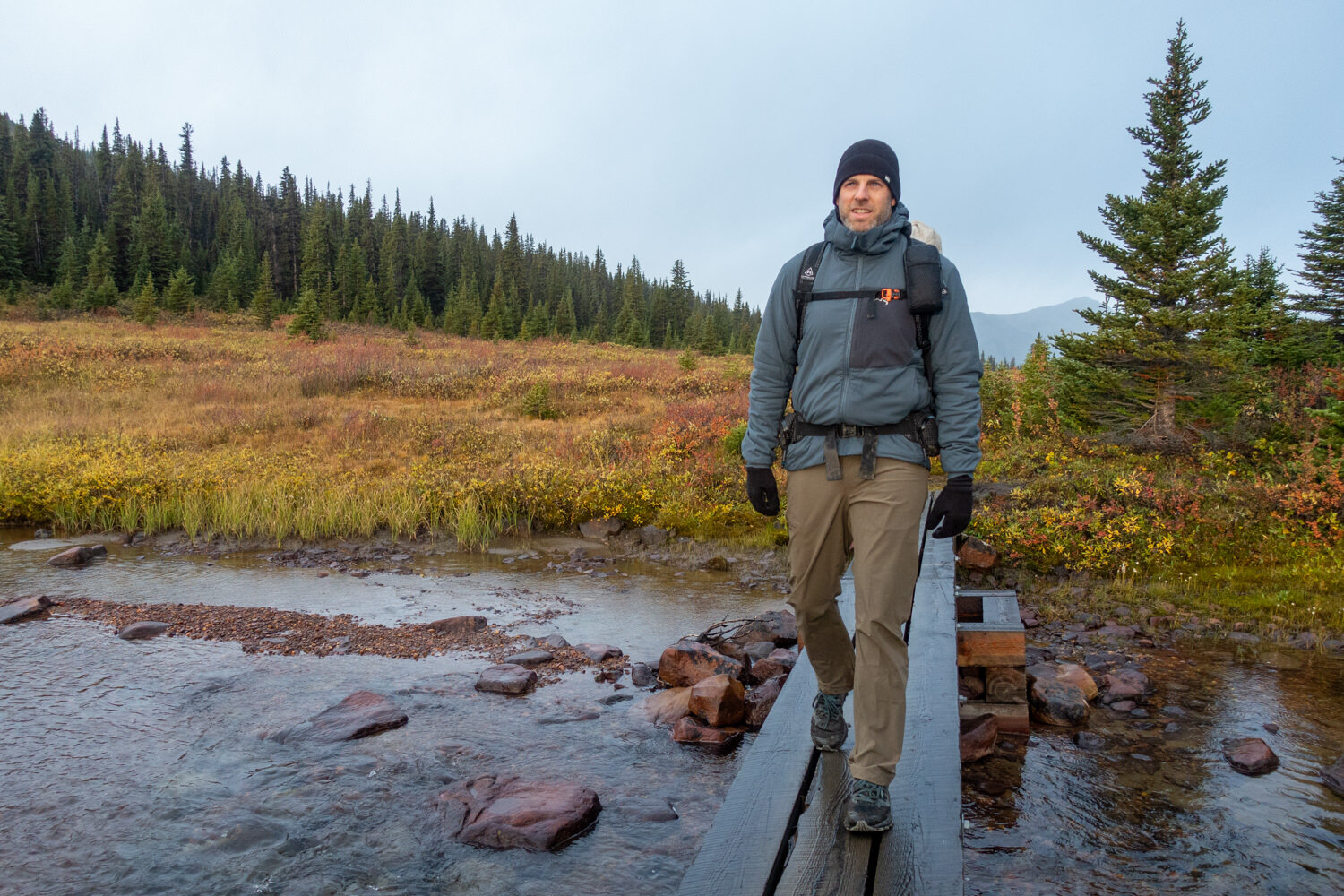
The Fjallraven Keb Agile is the clear heavy-use leader. Reinforced knees, cuffs, substantial fabric, and strong construction make it the pair we trust most for brush, rough rock, kneeling, trail work, and repeated abrasion.
The Gamma and Femund Flex1 are the next tier for technical durability. Both withstand rock and brush better than their relatively light weights suggest, making them more appealing than the Keb Agile when hikers want toughness without a work-pant feel.
The Ferrosi deserves a separate mention because its long-distance durability is excellent for such an airy pant. It is not as protective against localized abrasion, but extended thru-hiking with limited damage is strong evidence that lightweight does not automatically mean disposable.
Budget and warm-weather models generally trade protection for comfort. The Trailmade, Terravia Trail, Sahara, and Silver Ridge are appropriate for maintained trails, but heavy off-trail users should not expect them to match the reinforced leaders.
Which hiking pants are the lightest?
Measured weights put the REI Trailmade at 9.6 ounces and the Mammut Runbold IV at 10.3 ounces in our test samples. The Patagonia Quandary is listed at 10.9 ounces, while the Ferrosi measured 11.1 ounces and the Terravia Trail is listed at 11.1 ounces.
Weight alone does not determine comfort or performance. The Gamma measured 12.7 ounces yet offers far more protection than the lighter leaders, and the Sahara measured 13.1 ounces while adding a full convertible system. At the other end, the KUHL Renegade weighs 18.5 ounces because its tougher fabric, extensive pocket layout, and zip-off hardware are built around versatility rather than minimalism.
For high-mileage warm-weather trips, the Trailmade, Runbold IV, Ferrosi, and Terravia Trail provide the best low-weight choices. Hikers heading into rougher or colder terrain should accept a few extra ounces when the added protection matches the conditions.
Which hiking pants Have the Best Features?
Feature quality matters more than raw feature count. The Gamma’s integrated belt and all-zippered pockets are simple but highly functional under a pack. The Runbold IV’s hook-and-loop waist tabs accomplish similar fit control without adding a belt, while the Femund Flex1 adds vents, gaiter hooks, waist adjustment, and cuff expansion for technical mountain use.
The Keb Agile and Renegade are the storage leaders. The Keb Agile combines useful thigh pockets with vents and reinforced cuffs; the Renegade carries eight pockets and organizes small gear better than most convertibles.
For convertible-specific design, the Sahara is the most convenient. Side zips allow shoe-on removal and color coding reduces confusion when the legs go back on. The Silver Ridge also uses color-coded leg zippers, but requiring footwear removal makes conversion slower. The Trailmade and Quandary are better for hikers who actively prefer fewer adjustments and a cleaner silhouette.
How to Choose Hiking Pants
What fabric Should I Choose for hiking pants?
Most of our favorite hiking pants rely on synthetic fabrics because they dry quickly and handle abrasion better than everyday cotton pants. Nylon is common for its strength and soft hand, while polyester absorbs little water and can dry quickly. Elastane or spandex adds the stretch that makes high steps, crouching, and scrambling more comfortable.
Cotton-heavy pants can work for dry casual use, but they absorb more water and dry much more slowly. For backcountry hiking, especially in cool or wet weather, we prefer mostly synthetic fabrics with enough stretch for the intended terrain.
What POCKETS should Do I Actually need?
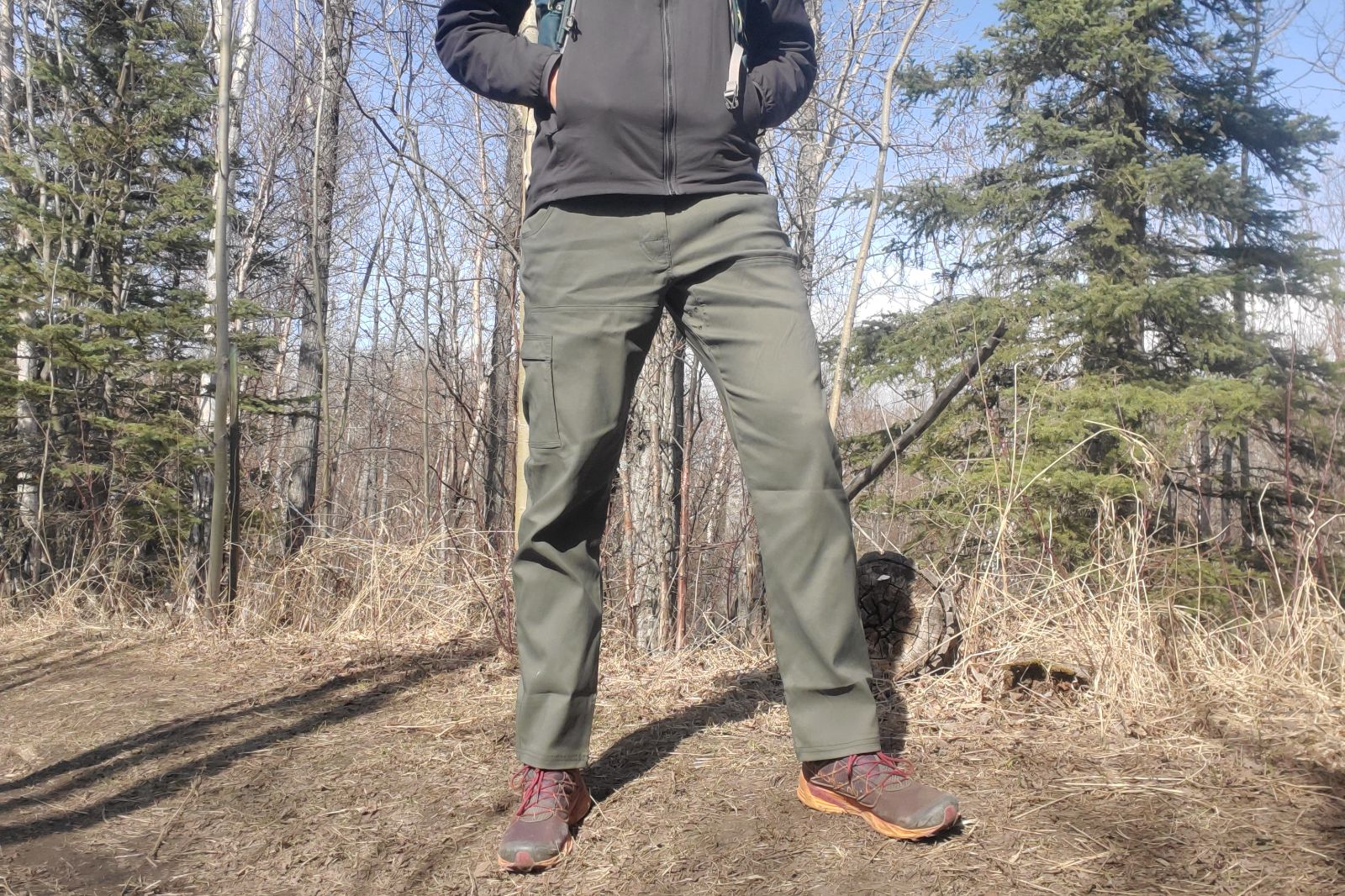
More pockets are not automatically better. Overloaded pockets can pull on the fabric, interfere with movement, and become uncomfortable under a backpack hipbelt.
We generally value secure hand pockets and one useful thigh pocket more than a long list of storage compartments. Zippers are especially helpful for scrambling and travel. Hikers carrying a phone, map, or small tools on-body may appreciate roomy thigh pockets, while minimalists may prefer a cleaner layout.
What fit Should I choose?
Fit affects more than appearance. Slim technical pants keep extra fabric out of the way, but a close cut can restrict larger thighs during big steps. Straighter cuts allow additional movement without excessive fabric, while relaxed designs prioritize room and utility.
Try to evaluate the pant through a hiking range of motion rather than standing still. High steps, deep knee bends, crouching, and sitting under a backpack hipbelt reveal fit problems much faster than a mirror does. Articulated knees, gusseted crotches, and stretch fabric can make a close fit far more mobile than its appearance suggests.
Should I Choose Convertible Hiking Pants?
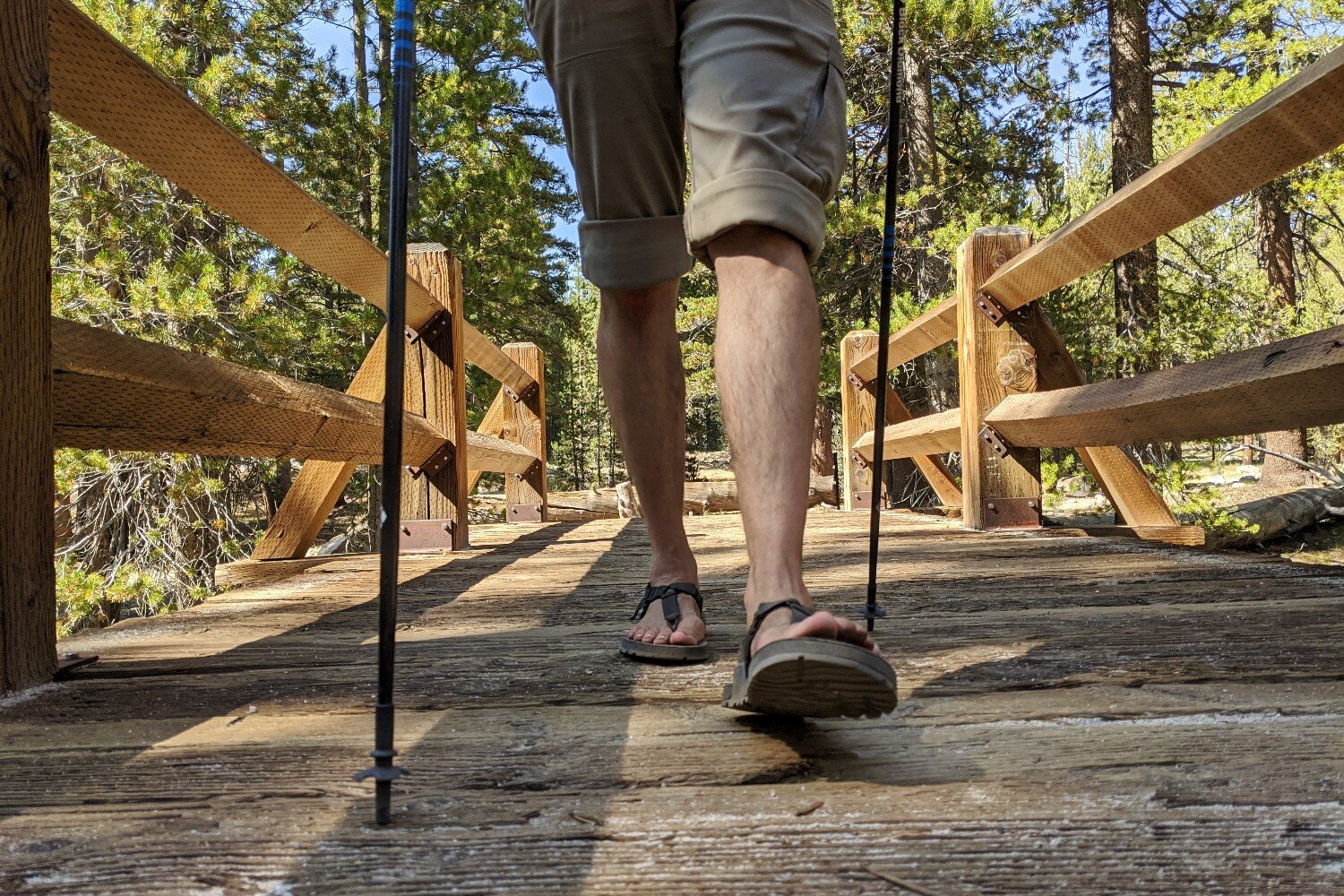
Convertible pants make the most sense when you genuinely expect to switch between full-leg coverage and shorts during the same day. They are especially useful for cool starts, hot afternoons, bugs, travel, and trips with frequent temperature swings.
The tradeoff is extra zipper hardware, more bulk, and usually a less streamlined fit. Shoe-on leg removal is convenient during a hike; some designs require removing footwear, making transitions slower. Consider the comfort of both the full-length pant and the converted short.
How Much Does Hiking Pants Weight Matter?
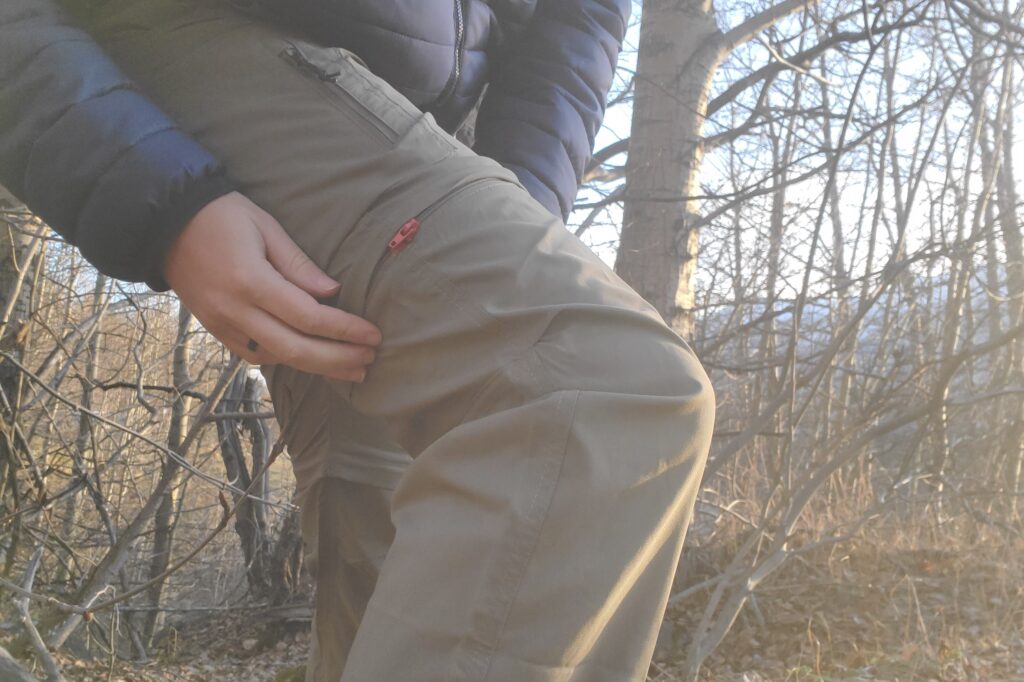
A few ounces matter most on long-distance trips where every item is scrutinized and mild conditions permit lightweight fabric. Compare weights using the same size and measurement basis, and decide whether saving ounces matters more than durability or protection.
Weight matters less when it buys something you will use: stronger wind protection, abrasion resistance, insulation, pockets, or a convertible system. A heavier pant that matches the conditions can be more comfortable than a light pant that forces extra layers or makes you nervous around brush and rock.
Which Hiking-Pant Features Matter Most?
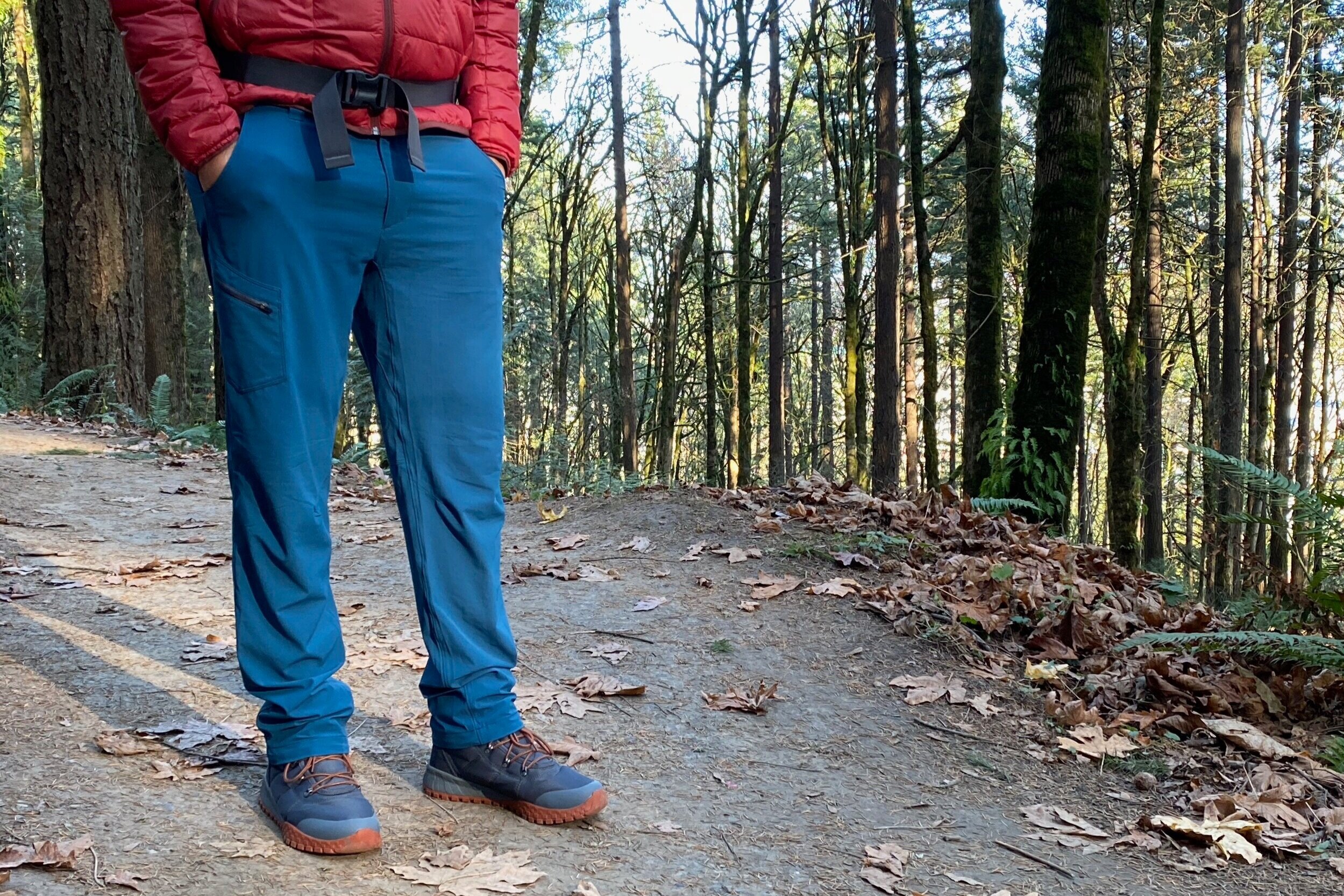
Waist adjustment is one of the most useful features because fit often changes during long hiking days. Integrated belts, internal drawstrings, and low-profile tabs can all work; the best system is the one that stays comfortable under a backpack hipbelt.
Cuff adjustments are useful around boots, mud, and bugs, and leg vents have real value for hikers who run hot in protective technical pants. For convertibles, look at how the legs detach, whether shoes can stay on, and how easy it is to identify the correct leg when reattaching them.
How should I care for hiking pants?
Follow the garment’s care label first. In general, technical hiking pants last longer when zippers are closed, drawstrings are secured, and harsh detergents or excessive heat are avoided.
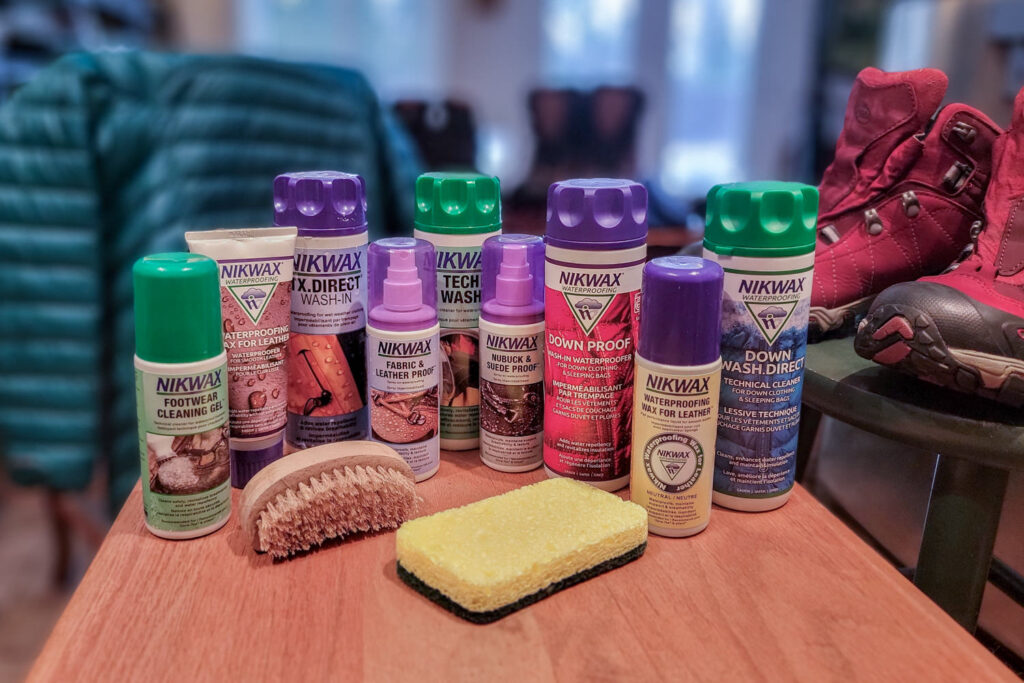
Water-repellent treatments can wear down with use. When a pant relies on a DWR finish, cleaning the fabric correctly and renewing the treatment when needed can restore beading, but it will not turn ordinary hiking pants into fully waterproof rain pants.
Why Trust CleverHiker
CleverHiker has been testing hiking and backpacking gear since 2012, and our team has accumulated thousands of trail days across hot deserts, wet forests, high alpine terrain, and long-distance routes. We use hiking pants as part of complete backcountry systems rather than judging them from specs alone.
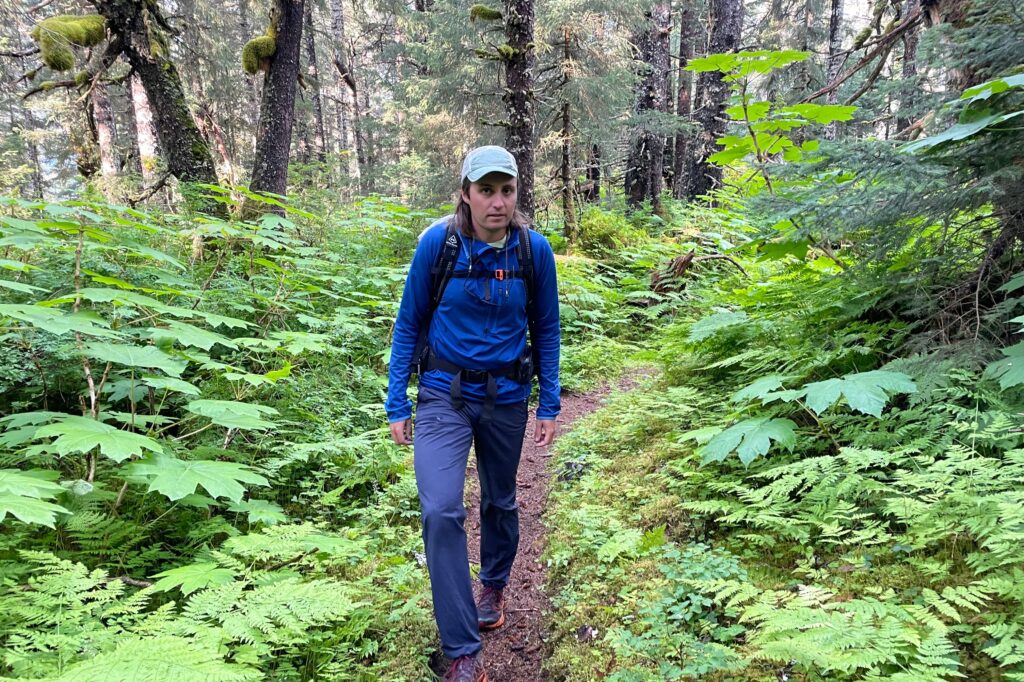
Miles Knotek contributed the current side-by-side testing and product-specific observations for this guide. Based in Alaska, he regularly tests gear in rugged terrain and variable weather, and the rankings also incorporate relevant long-term CleverHiker experience when it helps explain durability, fit, or long-term performance.
How We Test & Methodology
How do we assess comfort and mobility?
We evaluate comfort through extended wear and movement rather than static fit alone. We pay attention to waistband comfort, chafing, range of motion, stretch, patterning, and how the pants behave during high steps, crouching, scrambling, and hiking under a backpack hipbelt.
How do we assess breathability?
We assess how quickly a pant releases heat and moisture during sustained hiking and harder efforts. Fabric thickness, drying speed, mesh-backed pockets, roll-up cuffs, zip vents, and convertible legs all affect how well a pant manages warm conditions.
How do we assess weather resistance?
We compare how fabrics handle wind, light precipitation, wet vegetation, and cold conditions where testing supports it. We also consider how quickly pants recover after getting wet and whether the product offers useful sun protection. None of the pants in this guide is a substitute for dedicated rain pants in sustained heavy precipitation.
How do we test durability?
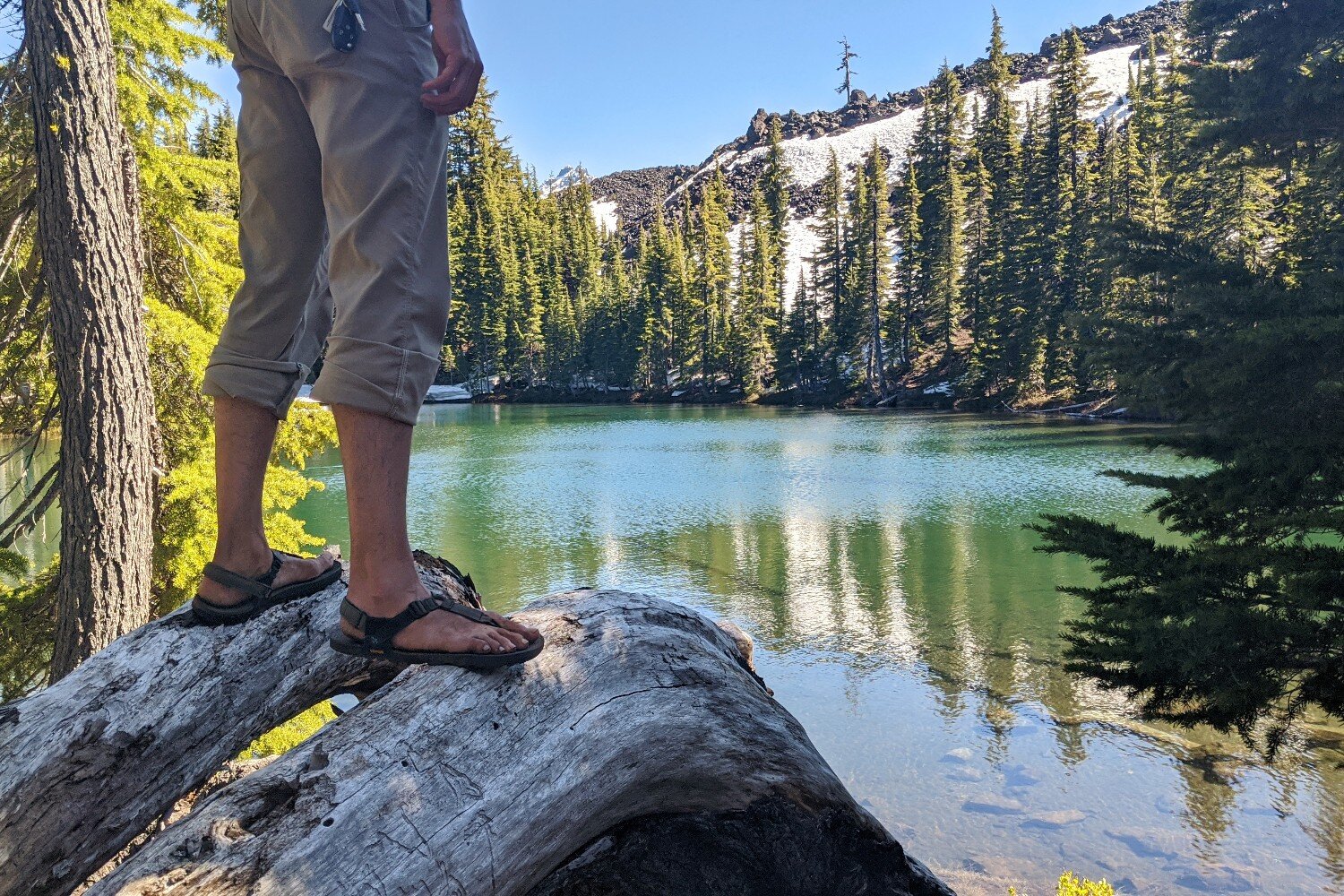
We look at fabric wear, stitching, high-abrasion zones, reinforcements, zippers, buttons, snaps, and cuffs. Rough rock, brush, kneeling, repeated trail use, washing, and long-term mileage all help reveal whether a pant’s low weight or soft feel comes with a meaningful durability penalty.
How do we evaluate features?
We judge belts, drawstrings, waist tabs, pockets, vents, cuff adjustments, gaiter hooks, and convertible hardware by how useful they are on trail. A long feature list does not automatically score well; simple features that are easy to use and stay out of the way can be more valuable than extra hardware.
Conclusion
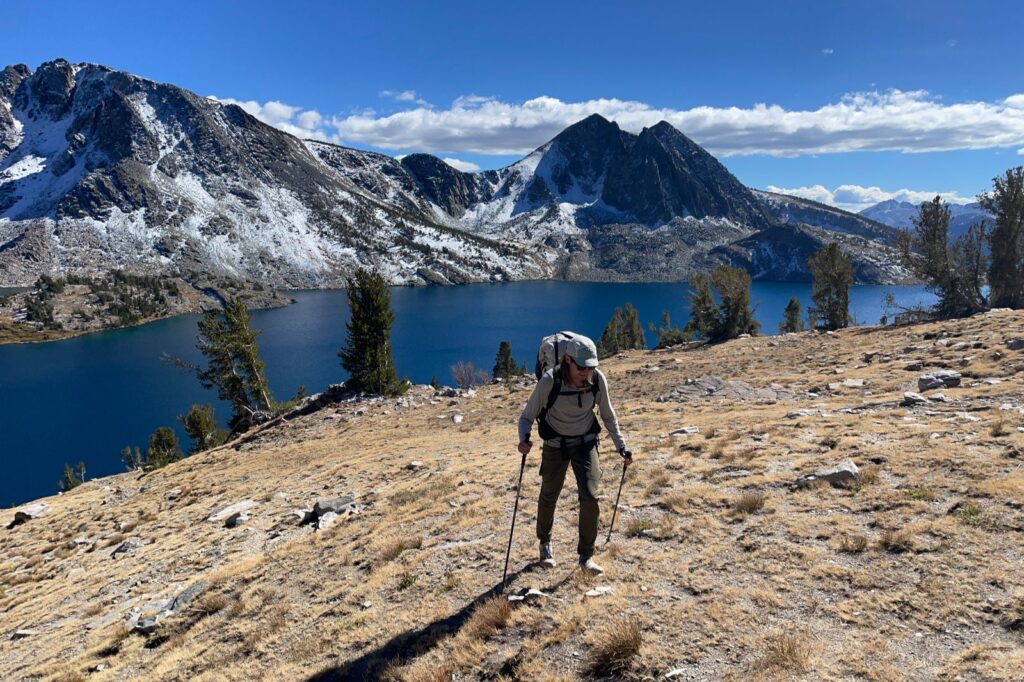
The best pair for most hikers balances all-day comfort, freedom of movement, breathable fabric, practical features, and enough durability for typical trails. Prioritize those everyday qualities before paying extra for highly specialized construction.