

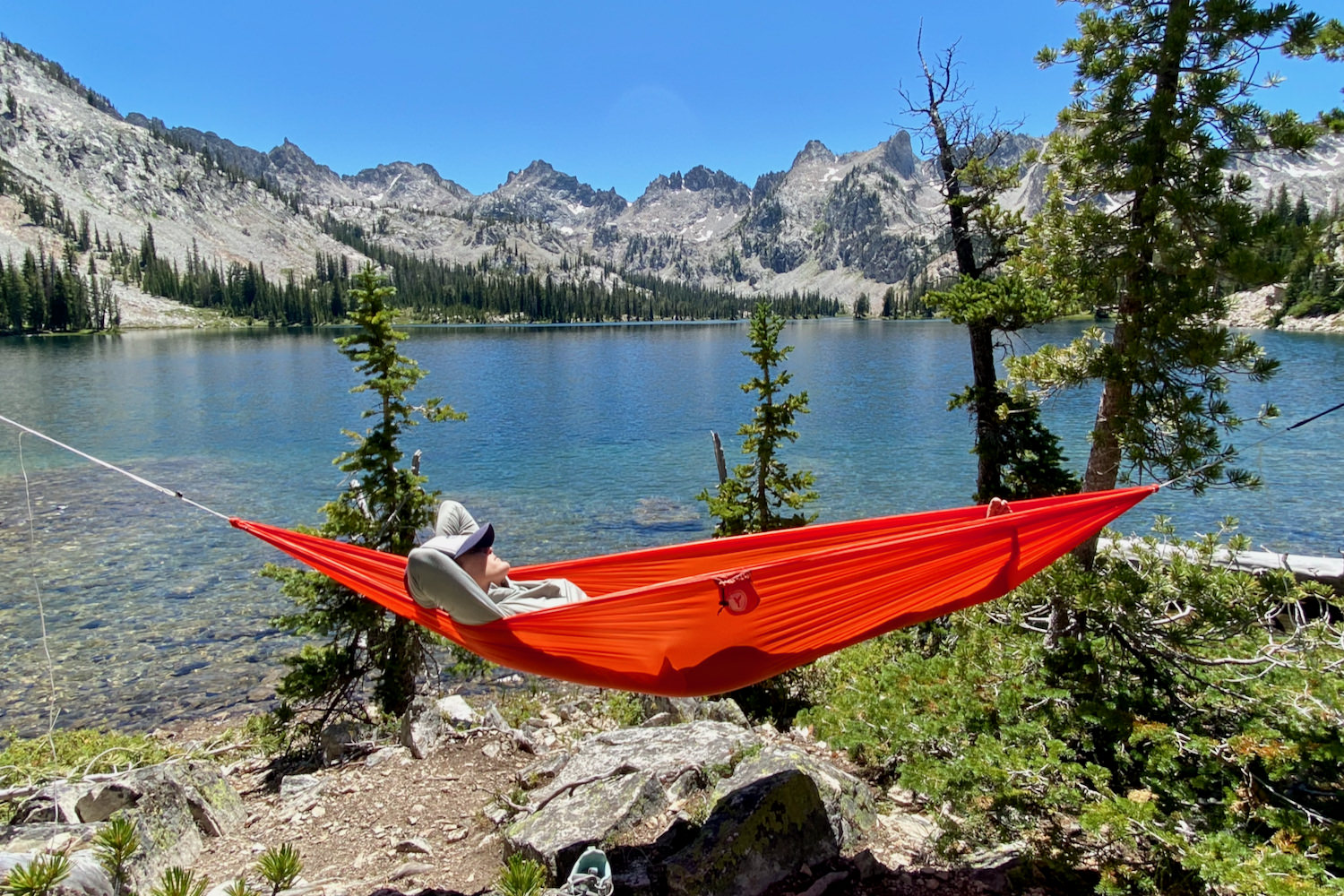
Our team has spent thousands of nights sleeping outside over the last 12 years. For this guide, we researched more than 45 hammocks to bring you our 12 favorites from brands like Warbonnet, Dutchware, Kammok, ENO, and more.
Editor’s Note: We updated this guide on June 11, 2026, to add the Warbonnet Ridgerunner and Grand Trunk Air Bivy, both of which impressed us in testing.
How We Test Hammocks
We took each hammock into state parks and local forests on adventures throughout the Midwest, including the Superior Hiking Trail and Boundary Waters. We spent several nights in each of them and had testers from 5’5” to 5’11” give their thoughts on comfort, ease of use, and more.
And for more info, check out some of our other most popular gear guides:

#1. Best Backpacking Hammock Overall
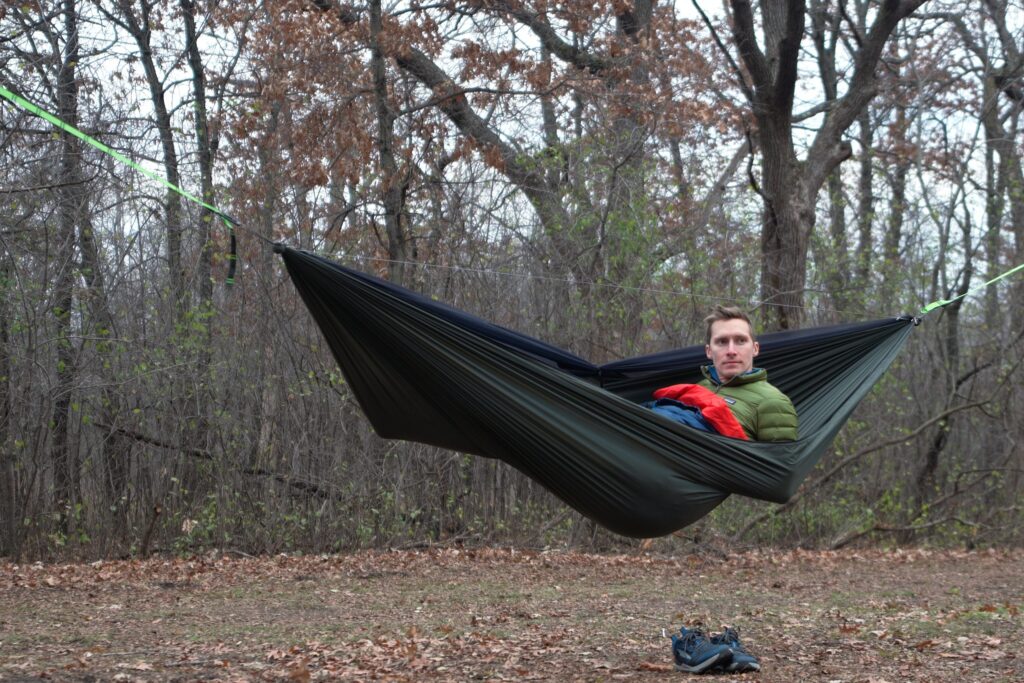
Time after time, we reach for the Warbonnet Blackbird because it’s one of the most comfortable and feature-rich hammocks available at a competitively low weight. We’ve tested it in the Boundary Waters, on the Superior Hiking Trail, and high in the Colorado mountains, and it has provided some of the best sleep we’ve gotten outdoors.
Quick Picks for Camping Hammocks
Check out this quick list of our favorite hammocks, or continue scrolling to see our full list with in-depth reviews.
1. Best Backpacking Hammock Overall: Warbonnet Blackbird ($175)
2. Best Budget Backpacking Hammock: Onewind Tempest ($75)
3. Best Balance of Comfort & Weight: Dream Hammocks Darien ($140)
4. Most Versatile Backpacking Hammock: Dutchware Chameleon ($152)
5. Most Comfortable Hammock: Warbonnet Ridgerunner ($220)
6. Best Winter Camping Hammock: Hammock Gear Circadian Pro ($180)
7. Best All-In-One Hammock Kit: Kammok Mantis UL ($320)
8. Quality Hammock from a Big Brand: ENO JungleNest ($110)
9. Best Budget All-In-One Hammock Kit: Grand Trunk Air Bivy ($180)
10. Best Lightweight All-In-One Kit: Hennessy Ultralite Backpacker Zip ($240)
11. Solid Budget Kit That’s Built to Last: Hennessy Expedition Zip ($170)
12. Affordable Hammock for Casual Use: Covacure Camping Hammock ($26)
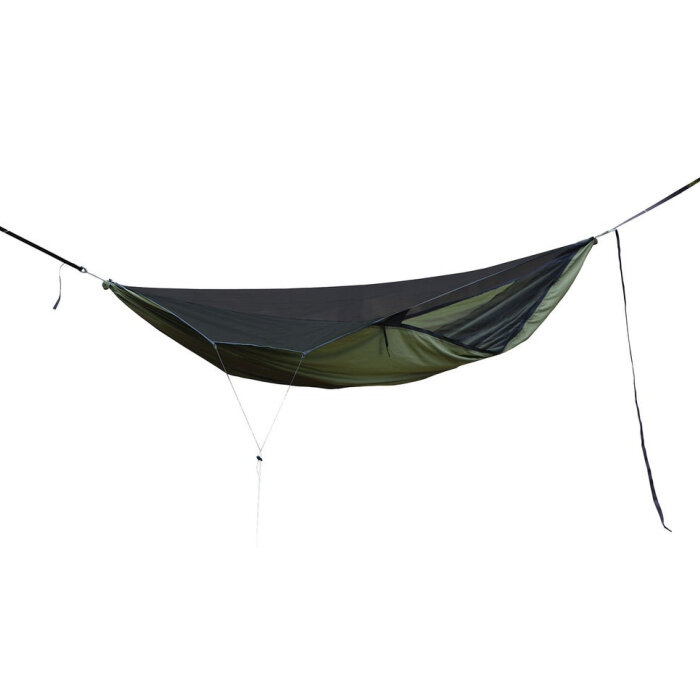
Warbonnet Blackbird
Best Backpacking Hammock Overall
CleverHiker Rating: 4.7/5.0
Price: $175
Measured Weight: 15.7 oz.(hammock, stuff sack, attached guylines, integrated bug net)
Weight Limit: 350 lb.
Dimensions: 10 ft x 5.2 ft
Pros
- Lightweight
- Ample gear storage
- Good side-pull design
- Comfortable diagonal lying position
- Durable and comfortable fabric
Cons
- Pull-out cords can get tangled easily
- Expensive
The Warbonnet Blackbird is the lightest hammock we tested and also the best at balancing a lightweight design with features that matter.
There’s no other hammock we’d rather take with us when we’re headed into the backcountry and want to minimize weight on our backs without sacrificing a good night’s sleep. When testing this hammock deep in the Boundary Waters of Minnesota, the Blackbird proved so appealing to our canoe mates that we weren’t the only ones sleeping in it on the next adventure.
The Blackbird has two features that set it apart from the competition: an excellent side-pull design and a game-changing gear shelf. The side pulls attach in two places on either side to give excellent livability to the interior, and the gear shelf allows for an enormous amount of storage compared to the typical hammock.
Features like phone pockets, ridgeline organizers, or a removable bug net aren’t present, but the best outdoors gear isn’t always the one with the most features. Sometimes, the one that’s selective with which features to focus on is what really shines.
Comfort was excellent with 11 feet of length to stretch out in. Some other hammocks offered a more luxurious experience, but the difference wasn’t enough to justify the extra weight or downgrade in features. In the world of lightweight gear, the Blackbird sets itself apart as a well-rounded and feature-rich option that balances its priorities remarkably well.
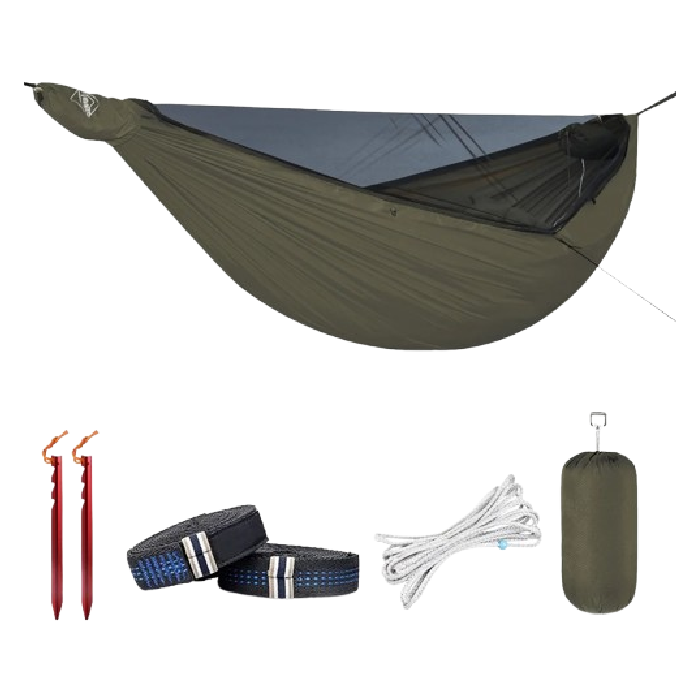
Onewind Tempest
Best Budget Backpacking Hammock
CleverHiker Rating: 4.6/5.0
Price: $75
Measured Weight: 1 lb. 3.3 oz.(hammock, stuff sack, attached guylines, integrated bug net)
Weight Limit: 500 lb.
Dimensions: 11 ft x 5.3 ft
Pros
- Comfortable
- Affordable
- Excellent features
Cons
- Slightly less premium feel
- Adjustable ridgeline tail is a bit long
No other hammock we tested offers such a stunning value as the Onewind Tempest. With comfort and features that match models twice as expensive, we were wowed by this hammock again and again during the course of testing. It’s not the absolute cheapest model in our lineup, but you get a whole lot of hammock at a wallet-friendly price.
The generous dimensions and soft fabric helped make the Tempest one of our top-scoring models for comfort. We loved relaxing in it under the pine trees and kept reaching for it over alternatives that cost more than double the price. The symmetrical bug net allowed us to sleep in either orientation, and the side pulls helped keep the mesh out of the way at the head area.
Despite its low price, the Tempest is packed with features, sporting a stashable bug net, a ridgeline pocket, attachment points, side pulls, and an adjustable ridgeline. We wish the side pulls came with better adjustability and that the bug net could be fully unzipped for winter use, but those are minor complaints. When we set out to find a budget model to recommend, we had no idea we’d find one so comprehensively excellent and easy to use.

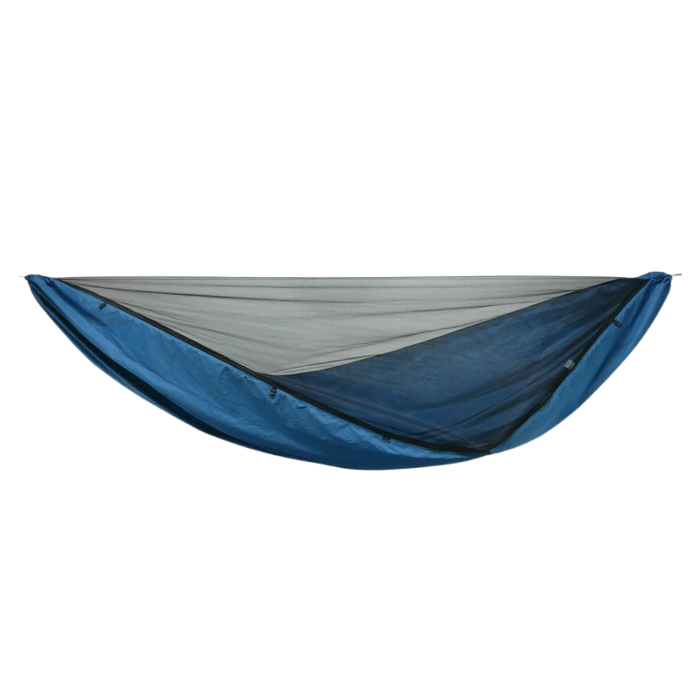
Dream Hammocks Darien
Best Balance of Comfort & Weight
CleverHiker Rating: 4.5/5.0
Price: $140
Measured Weight: 1 lb. 1 oz.(hammock, stuff sack, attached guylines)
Weight Limit: 225 lb.
Dimensions: 11 ft x 5.4 ft
Pros
- Comfortable
- Lightweight
- Made with high-quality materials
Cons
- No interior pockets
- Long zipper pulls
The Dream Hammocks Darien isn’t just one of the most comfortable hammocks in our lineup – it’s also one of the lightest. The generous dimensions and luxuriously soft fabric made it easy to come back to again and again when testing in our favorite hammock grove.
Something about it just felt right. The simplicity of the stripped-back and straightforward design meant that Dream couldn’t hide behind distracting features, and the hammock still delivered where it counted.
It’s among the least-featured hammocks on our list, with only underquilt hooks and side pulls to speak of, but the side pulls worked well enough to keep the netting out of our face. An interior pocket or a ridgeline organizer would be nice to see, but Dream does offer those as accessories for an added cost.
At night, comfort was as good as it was when lounging during the day. We woke up feeling refreshed and cozy, with little to no tension in the mid-calf region that hammocks can sometimes cause.
It’s not often that such a simple design steals your heart, but that’s what happened with the Darien. We don’t think it’s quite featured enough to win our top choice for a lightweight model, but if comfort is your priority, it’s hard to beat.
Dutchware Chameleon
Most Versatile Backpacking Hammock
CleverHiker Rating: 4.5/5.0
Price: $152
Measured Weight: 1 lb. 5.6 oz.(hammock, stuff sack, attached guylines)
Weight Limit: 275 lb. (Hexon 1.2 fabric)
Dimensions: 11 ft x 4.8 ft
Pros
- Comfortable
- Excellent spreader bar
- Quality construction
- Highly customizable
Cons
- No built-in interior pockets
- Expensive
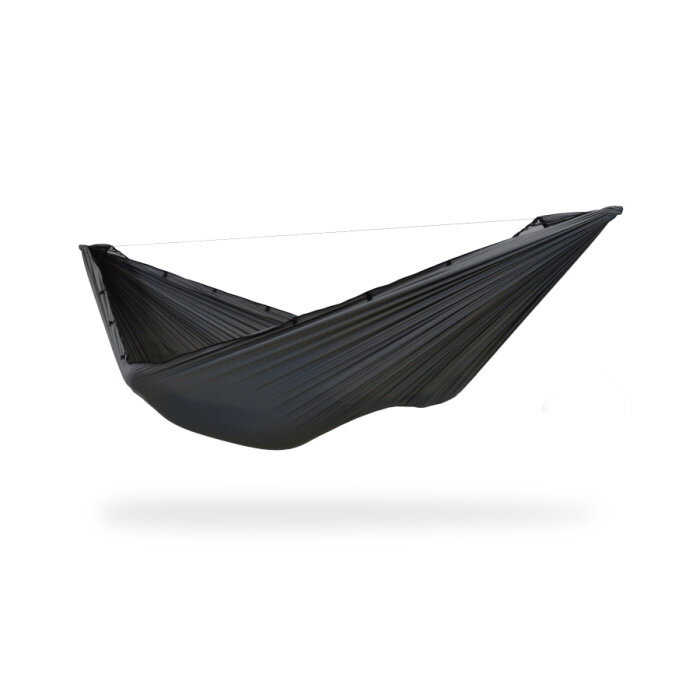
Dutchware makes some of the most innovative hammock supplies around. The Chameleon adds to that legacy with a modular, super customizable, and fully featured design. With a variety of add-ons, a dizzying array of customization options, and swappable top covers to suit the season, the Chameleon is meant to adapt to any environment, and we felt it lived up to the hype in our testing.
We tested the mesh top cover with a spreader bar and loved how much livable space was created in the interior. Combined with a generous 11 feet of length, the Chameleon offered one of the most comfortable experiences in our lineup. The fully removable top net was also a favorite feature, with a toothy zipper that made the on/off process easy and simple.
The weakness of the Chameleon is also its biggest strength: With so many options, it can be daunting to know where to start, especially if you don’t know which type of hammock user you are. It can be stripped back to a lightweight setup that rivals our top pick for ultralight adventures, or it can be tricked out with so much storage that it outweighs all other options here.
With such a range of options, the Chameleon thrives among users who are ready for that level of customization. It doesn’t come cheap, but we consider it a great long-term investment for those who like to geek out on their gear.
Warbonnet Ridgerunner
Most Comfortable Hammock
CleverHiker Rating: 4.4/5.0
Price: $220 (double-layer fabric with bug net)
Measured Weight: 2 lb. 9.3 oz.(hammock, attached guylines, spreader bars)
Weight Limit: 250 lb. (double-layer fabric)
Dimensions: 10.1 ft x 3.7 ft
Pros
- The most comfortable hammock we tested
- Handy double side pockets
- Stashable bug net
- Excellent quality and feel
- Can be ordered with a double layer for a sleeping pad
Cons
- Fairly heavy
- Tippy if hung too tight
- Spreader bars are bulky
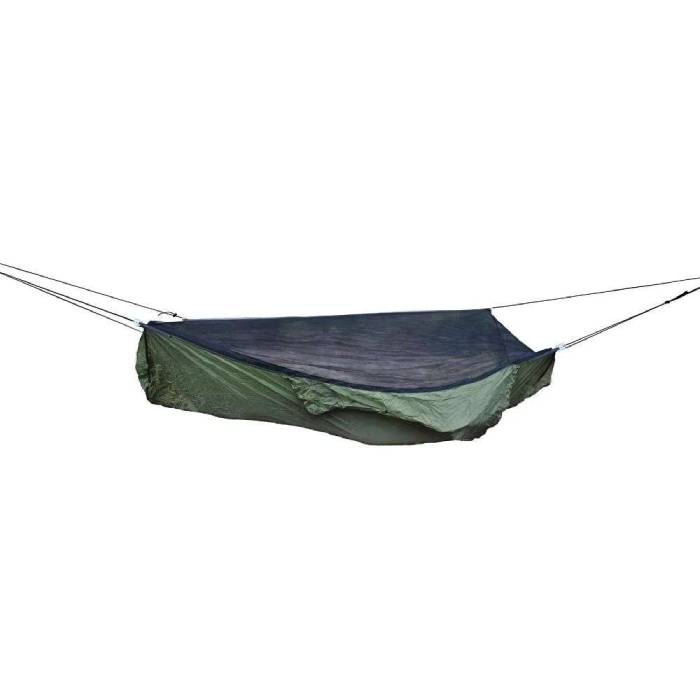
The Warbonnet Ridgerunner is not like any other hammock on this list. Featuring a bridge design, the Ridgerunner is a bit heavier than most alternatives but unmatched when it comes to comfort. The system comprises two spreader bars at the head and foot ends that create a suspended piece of flat fabric, eliminating the banana/pea-pod feel.
The Ridgerunner is easy to set up and has a nice assortment of features, too. The spreader bars were intuitive, even on our first outing, and hanging was just as easy as with any other hammock. The pockets were another highlight: Two large pouches next to the head end made it easy to stash our quilt dry bag and an entire rain kit.
Due to the flat nature of the design, the bug net was the least claustrophobic we tested. It led to one of our best nights of stargazing since there are no fabric walls to impede the view.
However, there’s no getting around the weight of the aluminum poles. Warbonnet no longer sells a trekking pole conversion kit to shave ounces. Additionally, the hammock was quite tippy if hung tight due to its higher center of gravity, which isn’t an issue with banana-shaped hammocks.
These complaints did little to detract from the incredibly comfortable experience. If you want the best night’s sleep on trail, it just might be in the Ridgerunner.
Hammock Gear Circadian Pro
Best Winter Camping Hammock
CleverHiker Rating: 4.4/5.0
Price: $180
Measured Weight: 1 lb. 14.8 oz.(hammock, stuff sack, attached guylines)
Weight Limit: 600 lb. (double-layer, 20D fabric)
Dimensions: 12 ft x 4.8 ft
Pros
- Comfortable
- Quality materials and construction
- Versatile
Cons
- Heavy
- Overkill for three-season use
- Frustrating zipper design
Hammock Gear swung for the fences with its Circadian Pro – this design showcases what can happen when a hammock maker pulls out all the stops.
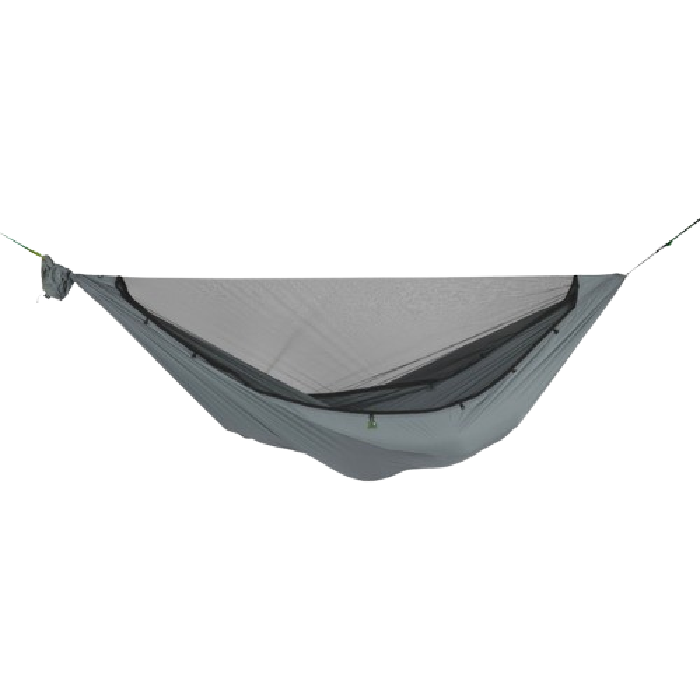
We tested a configuration with two layers and an extra foot of length, along with standard features like a fully removable bug net, lots of attachment points, and a fixed ridgeline. It was a decidedly premium experience, although for general use, it ended up being a bit overkill.
On the bright side, craftsmanship is top-notch. All of the materials and components are confidence-inspiring and built to last. Our only noteworthy gripe was with the zippers. They end in the middle of the hammock body for removal of the bug net. This means you can’t zip up the hammock in one motion, and there’s no adjustability where the zipper ends meet.
Additionally, the 12-foot length was a bit long for us. Even our 5’11” tester found it overkill and preferred the comfort of the 11-foot version, claiming interior space went from feeling comfortably livable in the 11-footer to downright cavernous in the 12.
We’ve done enough cold-weather trips in Minnesota’s Boundary Waters to know how to stay comfortable, and the Circadian Pro would be our top pick for winter excursions. The double-layer design, underquilt hooks, durable construction, and ability to swap the bug net for a partially solid cover add a whole lot of cold-weather appeal.
All of this does come at a cost, with the Circadian Pro checking in as one of the more expensive options here – as well as one of the heaviest. Weight- and budget-conscious adventurers should look elsewhere, but Circadian Pro has its place for four-season trips and those willing to spend up for longevity.
Kammok Mantis UL
Best All-In-One Hammock Kit
CleverHiker Rating: 4.4/5.0
Price: $320
Measured Weight: 1 lb. 2.5 oz. / 2 lb. 7 oz.(hammock only / hammock, tarp, suspension, stakes)
Weight Limit: 300 lb.
Dimensions: 10 ft x 4.7 ft
Pros
- Comfortable
- Smart and thoughtful design features
- Lightweight for a kit
Cons
- Low-quality stakes
- Confusing zipper design
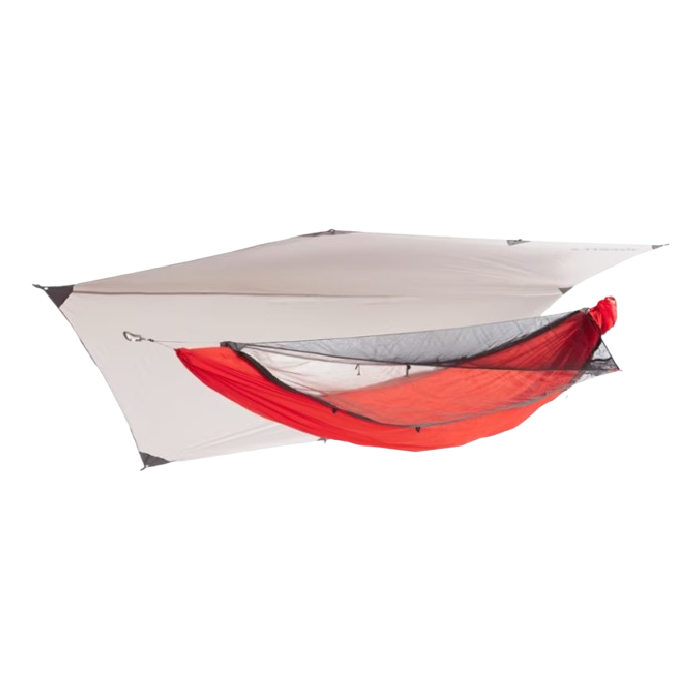
We were simply delighted when testing the Kammok Mantis UL. From its thoughtful and clever design features to its excellent comfort, there are very few spots where this all-in-one kit stumbles.
Featuring a lightweight tarp, hammock, and suspension, every component worked well together. The tarp can be set up independently, making it a great group shelter for rain. It has LineLoc buckles on each attachment point for easy adjustment and little pockets to store the cord so it doesn’t get tangled.
The hammock features a luxuriously soft fabric and generous dimensions that promote a great night’s sleep. Testing it in the forests of Minnesota, we found ourselves eager to kick back and relax in this one. The suspension is a nice daisy-chain system, and the included carabiners are small but strong.
The included stakes are a bit weak, and we bent one of them on the first test. This isn’t uncommon for included stakes, but it’s worth mentioning. We also had issues with the zipper design. To enable the fully removable bug net, the zipper ends terminate in the middle of the hammock body on both sides, which makes them slightly frustrating to use at times.
The upfront investment is a bit high, but it’s not unreasonable considering what the price would be if you were to assemble your own kit of similar quality and weight. You definitely can get a lighter setup since the Mantis UL includes a few non-essentials, but we think that Kammok made good design choices here.
Those looking for an all-in-one kit to take the guesswork out of assembly will appreciate the plethora of included features. The Mantis UL makes it easy to get into hammock camping without compromising on performance.
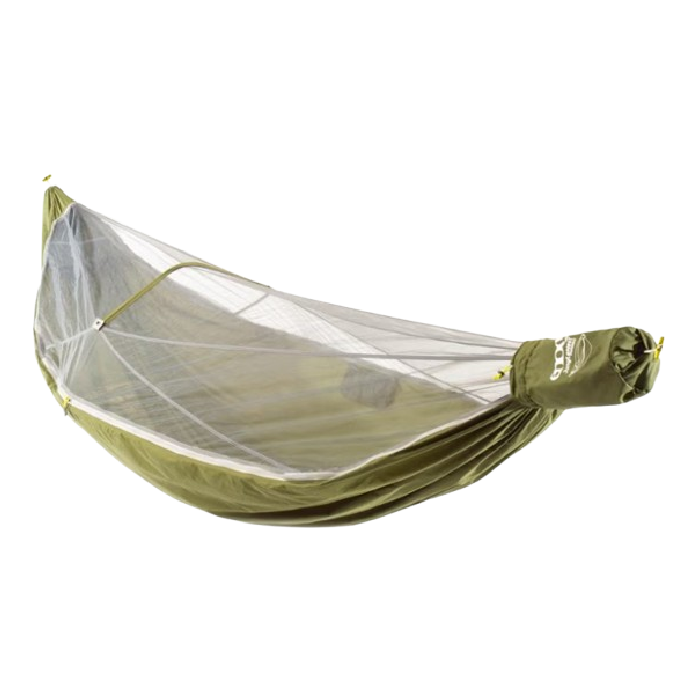
ENO JungleNest
Quality Hammock from a Big Brand
CleverHiker Rating: 4.3/5.0
Price: $110
Measured Weight: 1 lb. 3.2 oz.(hammock, stuff sack, attached guylines)
Weight Limit: 300 lb.
Dimensions: 9.8 ft x 4.6 ft
Pros
- Quality materials
- Included spreader bar
- Good interior pockets
Cons
- Small dimensions
- No side pulls
ENO dominates the world of casual hammocks with their DoubleNest model. That experience translates well to their JungleNest, an integrated-bug-net hammock designed for backpacking.
The JungleNest ended up in the middle of the pack in almost every metric, including weight, features, comfort, and price. The only way we found it notably superior was that it was remarkably easy to use.
To be sure, we enjoyed using the JungleNest. That said, we struggle to recommend it for people other than those who really like ENO as a brand and want to stay within their ecosystem. For those folks, the JungleNest should delight. It really is a solid model that delivers all around, but our full review (linked below) dissects why it falls just a little short of the competition.
The dimensions are a bit small, but we still managed to get great sleep. The spreader bar is a bit short, and the lack of side pulls means there are no options for increasing interior space. The removable bug net is great but not fully removable like other models. It’s affordable, but others cost less with better features and comfort.
That leaves the JungleNest without any glaring flaws but with room to grow. Until then, we still think anyone who decides to give the JungleNest a swing won’t be disappointed by the experience.
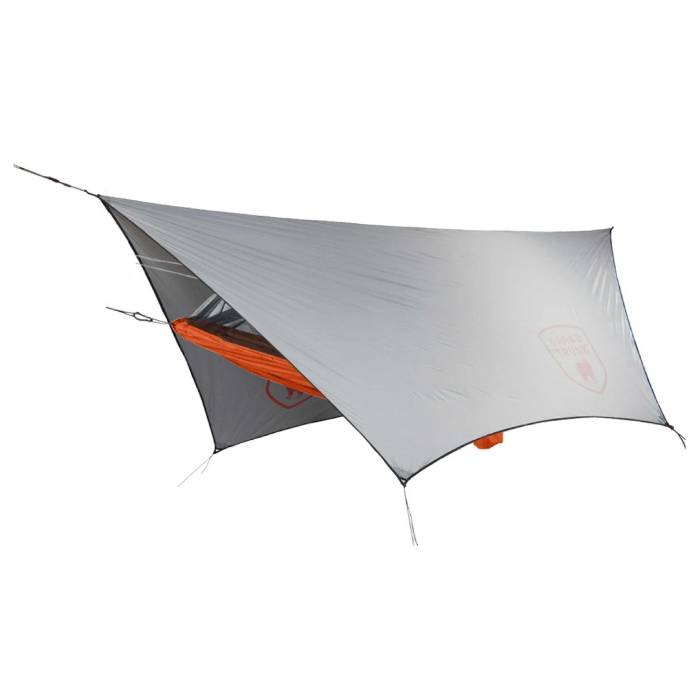
Grand Trunk Air Bivy
Best Budget All-In-One Hammock Kit
CleverHiker Rating: 4.1/5.0
Price: $180
Measured Weight: 3 lb. 5 oz.(hammock, attached guylines, tarp)
Weight Limit: 400 lb.
Dimensions: 10.5 ft x 5 ft
Pros
- Affordable
- Overall solid quality
- Classic hammock comfort
Cons
- Gear loft sags and gets in the way
- Could be longer
- No structural ridgeline
For the easiest way to get into hammock camping, look no further than the Grand Trunk Air Bivy. This is our favorite budget kit, which includes the hammock and tarp (though straps are sold separately).
Our favorite part about the Air Bivy is the bug net design, which provides a huge amount of interior space and avoids the claustrophobic feel typical of some hammocks. We also love the tarp – it’s easy to use, high-quality, and decently lightweight. It’s a nice enough design to take on future adventures even if you upgrade your hammock.
Our biggest complaint had to do with the gear loft pocket, which we ended up avoiding entirely. The pocket is positioned in the middle of the top mesh, which means any weight makes it sag down quite a bit. There are no edges to prevent items from falling out. On our first night with the Air Bivy, we bumped our head on the full pocket more than once before emptying its contents and dealing with them in the morning.
We also were disappointed to see no structural ridgeline – a feature all of our top-rated hammocks have. As long as you’re hanging it properly, though, this shouldn’t be a huge deal.
Overall, we came away impressed by the Airy Bivy’s comfortable, well built, approachable design. In fact, we eagerly recommended it to a couple of hammock-curious friends once we were done testing it.
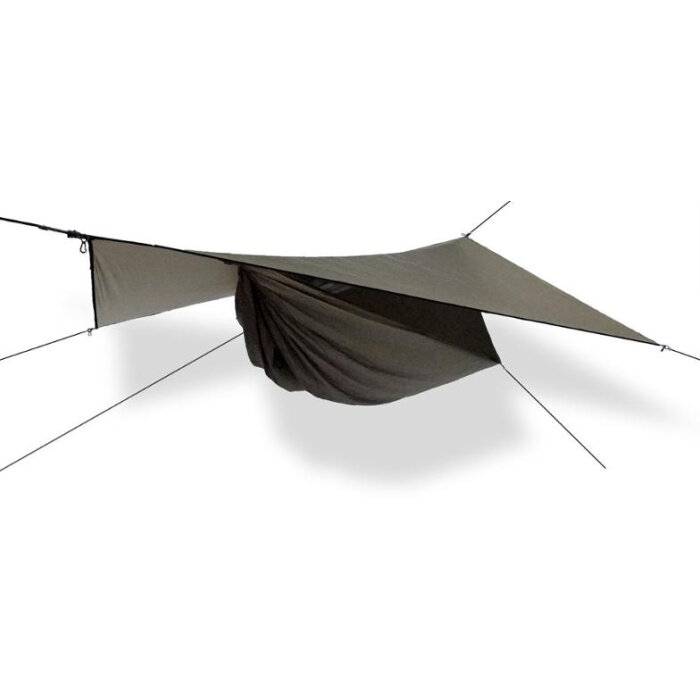
Hennessy Ultralite Backpacker Zip
Best Lightweight All-In-One Kit
CleverHiker Rating: 4.0/5.0
Price: $240
Measured Weight: 1 lb. 6.4 oz. / 2 lb. 2.6 oz.(hammock only / hammock, suspension, tarp)
Weight Limit: 200 lb.
Dimensions: 10 ft x 4.9 ft
Pros
- Lightweight for a kit
- Durable
- Good asymmetric design
Cons
- Cramped feel for a 10-foot hammock
- Small rainfly
- Non-standard setup
- Pricier than the Expedition Zip
For a lighter take on the all-in-one kit, Hennessy’s Ultralite Backpacker Zip is competitively feathery for a complete package. The hammock body itself weighs just 1 pound, 6.4 ounces, while the entire kit is a very respectable 2 pounds, 2.6 ounces.
With a patented asymmetric design, Hennessy hammocks target a more aggressive curve. We were eventually able to get comfortable, but it was a bit harder to find the sweet spot compared to other hammocks.
The tarp is also unconventional, with a diamond shape that offers decent coverage but middling storm protection. The tarp connects directly to the suspension, which makes the system lighter but means it can’t be set up independently. Any movement in the hammock is passed onto the tarp and the stakes holding it down.
Compared to its cheaper cousin, the Expedition Zip below, the Ultralite Backpacker’s higher price tag puts it in tricky territory. You can get better comfort and a more complete feature set for less, although Hennessy’s solid reputation and long track record of success go a long way.
In the end, budget-conscious users will likely prefer the Expedition Zip below or the Grand Trunk Air Bivy above. But for a significant weight reduction, the Ultralite Backpacker Zip is a solid, convenient choice for backpackers looking to purchase their first hammock setup.
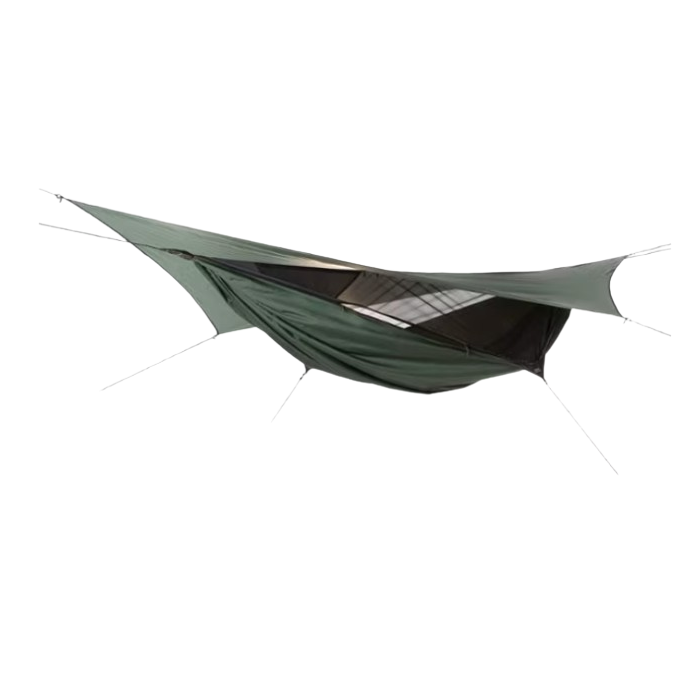
Hennessy Expedition Zip
Solid Budget Kit That’s Built to Last
CleverHiker Rating: 3.9/5.0
Price: $170
Measured Weight: 1 lb. 11.5 oz. / 2 lb. 11.9 oz.(hammock only / hammock, suspension, tarp)
Weight Limit: 250 lb.
Dimensions: 10 ft x 4.9 ft
Pros
- Affordable
- Built to last
- Well-executed asymmetric design
Cons
- Not particularly roomy
- Rainfly sacrifices some coverage
- Unconventional setup
For anyone looking to get into hammocking with minimal fuss or cost, the Hennessy Expedition Zip takes the cake. The fact that the full system costs less than some single hammocks here is pretty compelling.
Starting with the positives, the Expedition Zip is built to last with thicker fabrics that inspire a lot of confidence. First-time users will appreciate the added peace of mind that it won’t fall apart from maltreatment.
The patented asymmetric design means you can get a comfortable sleep on the diagonal. The side pulls work well to keep the netting away from your head. The unique suspension means the tarp connects directly to the hammock lines, which takes a step out of the setup process (although it does make securing the tarp a bit tricky).
That said, the dimensions are a bit small, and the aggressive ridgeline length means the curve is also aggressive. Finding that sweet spot for comfort is harder in this hammock than others. The thicker fabric isn’t the softest, either. And the suspension uses knots instead of hardware, which isn’t ideal for beginners.
A final intricacy worth noting is that the tarp can’t be set up independently without an additional cord. The tarp itself is diamond-shaped, which sacrifices some protection compared to more standard hex-shaped designs. It kept us reasonably dry during a rain storm on Wisconsin’s Ice Age Trail, but it’s not our first choice if the forecast is poor or even questionable.
A lot of this is just how Hennessy does hammocks. At the end of the day, this popular kit still offers great all-around value for first-timers, casual users, and those on a tight budget.
Covacure Camping Hammock
Affordable Hammock for Casual Use
CleverHiker Rating: 3.5/5.0
Price: $26
Measured Weight: 1 lb. 1.8 oz.(hammock, stuff sack, attached guylines)
Weight Limit: 772 lb.
Dimensions: 9.5 ft x 4.6 ft
Pros
- Affordable
- Includes suspension
Cons
- Uncomfortable
- Poor quality
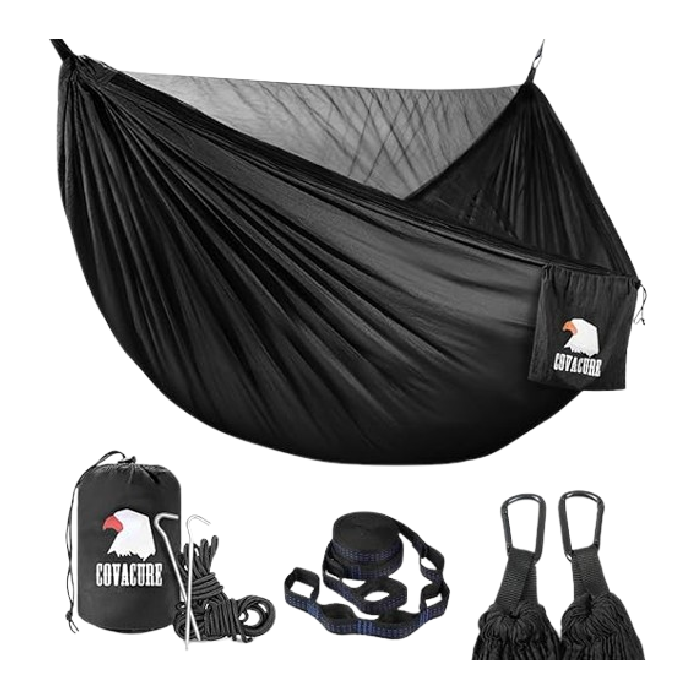
The Covacure Camping Hammock was our attempt to answer the question, “Why would anyone pay so much for a hammock when this cheap one from Amazon does the same thing?” We were excited to try it, hoping it would offer an affordable way to get into hammocking.
But test after test proved this hammock is just OK. You’re much better off saving up and getting something nicer will last longer than this entry model. The Onewind Tempest above, for instance, is much higher-quality at a still-wallet-friendly price.
Covacure has solid reviews and good advertised features. However, the hammock’s small dimensions were an issue even for our 5’5” tester, who found it uncomfortable for anything other than lounging. Additionally, the side pulls are in the middle of the hammock, so they don’t do much to pull the bug netting away from the head area.
Although it appears to have a structural ridgeline in product photos, it’s actually a piece of shock cord. This makes getting a good curve much harder, which detracts from overall comfort. Lying diagonally was tough because the bug netting drooped into our face. And without a pillow under our knees, we were concerned about hyperextension.
We’d be happy to use the Covacure for casual lounge sessions, but you can get a much better sleep by spending slightly up. Those who haven’t been spoiled by more premium hammocks may be happy with it.
Product Comparison Table
| oSort | Product | Price | Measured Weight | Weight Limit | Dimensions | Comfort | Features | Weight Score | Ease of Use | 0 |
Warbonnet Blackbird View At Warbonnet 
|
$175 | 15.7 oz. (hammock, stuff sack, attached guylines, integrated bug net) | 350 lb. | 10 ft x 5.2 ft | 4.5 | 4.6 | 4.9 | 4.6 | 1 |
Onewind Tempest View at Amazon View At Onewind 
|
$75 | 1 lb. 3.3 oz. (hammock, stuff sack, attached guylines, integrated bug net) | 500 lb. | 11 ft x 5.3 ft | 4.7 | 4.5 | 4.5 | 4.6 | 2 |
Dream Hammocks Darien View at Dream Hammocks |
$140 | 1 lb. 1 oz. (hammock, stuff sack, attached guylines) | 225 lb. | 11 ft x 5.4 ft | 4.8 | 3.8 | 4.8 | 4.7 | 3 |
Dutchware Chameleon View at Dutchware |
$152 | 1 lb. 5.6 oz. (hammock, stuff sack, attached guylines) | 275 lb. (Hexon 1.2 fabric) | 11 ft x 4.8 ft | 4.7 | 4.7 | 4.3 | 4.2 | 4 |
Warbonnet Ridgerunner View At Warbonnet |
$220 (double-layer fabric with bug net) | 2 lb. 9.3 oz. (hammock, attached guylines, spreader bars) | 250 lb. (double-layer fabric) | 10.1 ft x 3.7 ft | 4.9 | 4.6 | 3.8 | 4.2 | 5 |
Hammock Gear Circadian Pro View at Hammock Gear |
$180 | 1 lb. 14.8 oz. (hammock, stuff sack, attached guylines) | 600 lb. (double-layer, 20D fabric) | 12 ft x 4.8 ft | 4.7 | 4.6 | 3.5 | 4.6 | 6 |
Kammok Mantis UL View at REI View at Amazon
|
$320 | 1 lb. 2.5 oz. / 2 lb. 7 oz. (hammock only / hammock, tarp, suspension, stakes) | 300 lb. | 10 ft x 4.7 ft | 4.1 | 4.4 | 4.5 | 4.4 | 7 |
ENO JungleNest View at Amazon View at ENO |
$110 | 1 lb. 3.2 oz. (hammock, stuff sack, attached guylines) | 300 lb. | 9.8 ft x 4.6 ft | 3.8 | 4.3 | 4.5 | 4.7 | 8 |
Grand Trunk Air Bivy View at Cabela's View at Grand Trunk
|
$180 | 3 lb. 5 oz. (hammock, attached guylines, tarp) | 400 lb. | 10.5 ft x 5 ft | 4.2 | 4.1 | 4.0 | 4.1 | 9 |
Hennessy Ultralite Backpacker Zip View At REI View at Hennessy |
$240 | 1 lb. 6.4 oz. / 2 lb. 2.6 oz. (hammock only / hammock, suspension, tarp) | 200 lb. | 10 ft x 4.9 ft | 3.6 | 4.2 | 4.3 | 3.8 | 10 |
Hennessy Expedition Zip View at REI View at Amazon |
$170 | 1 lb. 11.5 oz. / 2 lb. 11.9 oz. (hammock only / hammock, suspension, tarp) | 250 lb. | 10 ft x 4.9 ft | 3.6 | 4.2 | 4.1 | 3.8 | 11 |
Covacure Camping Hammock View at Amazon |
$26 | 1 lb. 1.8 oz. (hammock, stuff sack, attached guylines) | 772 lb. | 9.5 ft x 4.6 ft | 2.0 | 3.6 | 4.8 | 3.6 |
|---|
Analysis & Results
Which Hammock is the Best Value?
We think of outdoor gear as an investment, and our top picks for hammocks are investments that should last a long time, making their high prices worth it. At the same time, we’re always on the lookout for gear that punches above its price point.
For the best overall value, nothing comes close to the Onewind Tempest. We were wowed by its combination of features, comfort, and quality for the price. It’s still a budget design, so there are some performance compromises to consider, but we can’t think of a better introduction to hammocking.
For something a bit more premium, the ENO JungleNest and Dream Hammocks Darien offer great value for the quality. The Darien is particularly appealing for weight-conscious users.
For an all-in-one kit, we like the Grand Trunk Air Bivy. For less than the cost of some single hammocks, the Air Bivy delivers a quality hammock and tarp, though you’ll need to bring your own straps. It’s not the most comfortable or lightest-weight option, but the overall value is excellent for those just starting off.
At the high end, a case can be made for the highly modular Dutchware Chameleon. Though it comes with a correspondingly high price tag, the Chameleon can adapt to a wide range of conditions. You can customize the body, bug net, top cover, side car or side sling, peak shelf, and suspension, potentially replacing multiple hammocks in your rotation. The Hammock Gear Circadian Pro offers similar appeal, although it’s not quite as customizable.
For around the same price, the Warbonnet Blackbird delivers such a high-quality experience that you might not want another hammock ever again. Though not cheap, we consider it a solid all-around investment for the level of performance.
Which Hammock is the Most Comfortable?
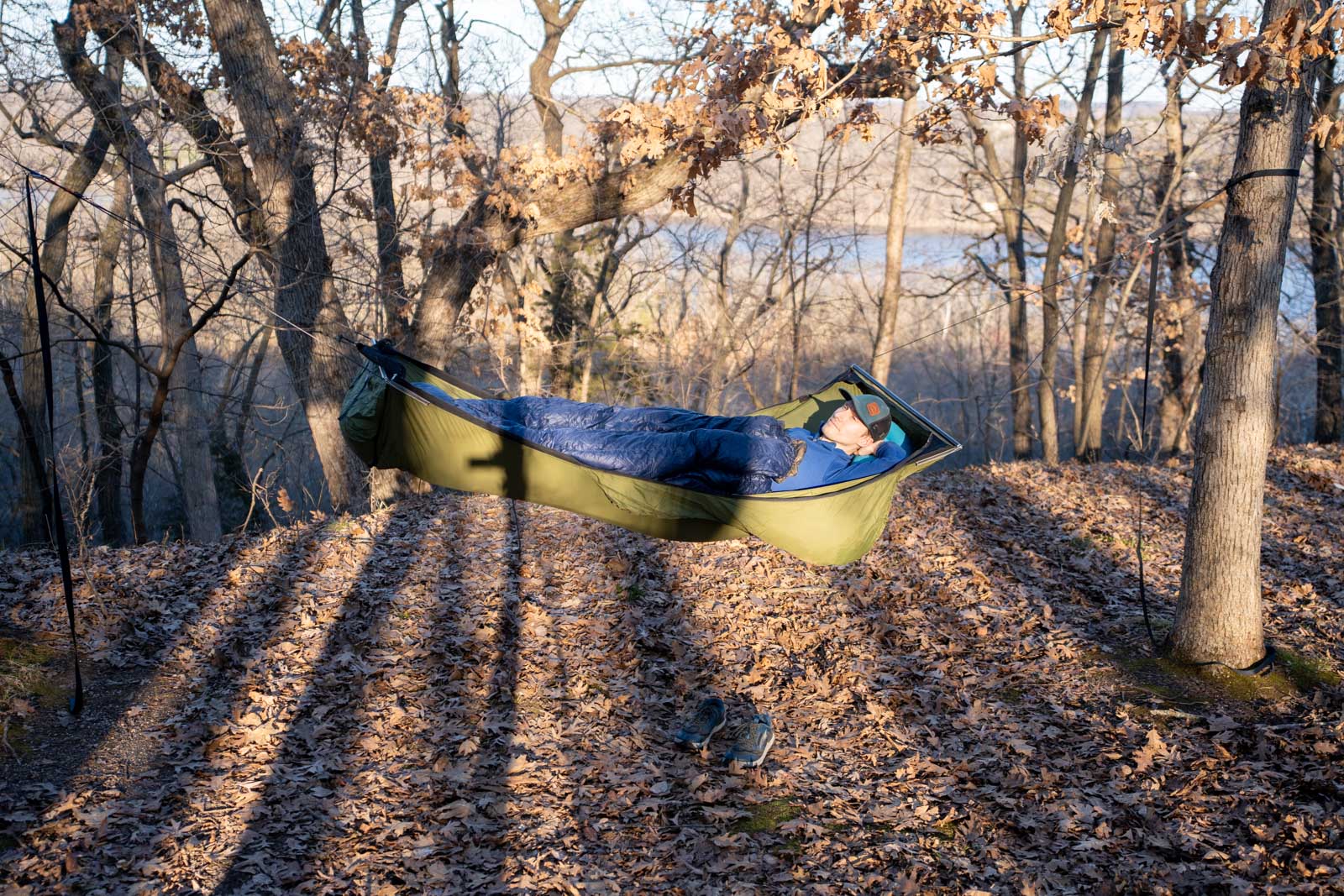
Comfort can be subjective, but some hammocks above made stronger impressions than others. At the top of the list is the Warbonnet Ridgerunner, a bridge hammock that stands out in a sea of gathered-end hammocks. With the flattest shape, it offers a great night’s sleep with no hyperextension.
Among gathered-end models (i.e., the rest of the list), our most comfortable picks were the 11-foot designs, including the Dream Hammocks Darien, Dutchware Chameleon, and Onewind Tempest. The Darien really impressed us considering how lightweight it is. One of our testers claimed the Chameleon was more comfortable than her new bed. And the Tempest knocked our socks off with the quality of sleep we got for the price.
If you’re looking for an all-in-one kit, the Kammok Mantis UL was undoubtedly the winner here. It has some of the softest fabric we’ve ever felt.
Those that offered good but not great comfort were the Warbonnet Blackbird, ENO JungleNest, Hammock Gear Circadian Pro, and Grand Trunk Air Bivy. For taller users, the Circadian Pro might be the best choice, but at 12 feet long, it was just a bit excessive for our testers.
There was only one hammock that left us uncomfortable in the morning: the Covacure Camping Hammock. With smaller dimensions, an unstructured ridgeline, and an unpleasant fabric and netting, it was the only hammock we had reservations recommending. It could be fine for casual backyard hanging, lounging at the park, or smaller users, which is why we ended up including it. But if you can spend slightly up, there are lots of significantly better options available.
Which Hammock has the Best Features?
The hammock market is undeniably varied, and we saw a range of clever and useful features in our testing. One clear standout was the Dutchware Chameleon. It offers a dizzying array of customization options, allowing you to tailor the features to exactly what you need. Plus, its huge spreader bar provides excellent livability that’s unmatched by other models.
The Hammock Gear Circadian Pro shares a similar spirit as the Chameleon but with fewer customization options. The Warbonnet Ridgerunner boasts a thoughtful feature set with a stashable bug net and great pocket layout.
For a competitive balance of features and weight, the Warbonned Blackbird is hard to beat. It has our favorite gear storage solution and side-pull design. On the budget end, the Onewind Tempest impressed us with a nice array of features at a great price, including an adjustable ridgeline. The ENO JungleNest includes a spreader bar and good pockets, scoring average for features.
For an all-in-one kit, the Kammok Mantis UL wowed us at every turn. It has our favorite tarp design with handy LineLoc buckles at each attachment point, an excellent side-pull design, and interior pockets that were a delight to use.
For users who prefer to keep things simple, the Dream Hammocks Darien and Covacure Camping Hammock are minimally featured. Though basic, they may get the job done for casual or infrequent users.
Which Hammock is the Lightest?
Most hammock campers understand they’re making some weight sacrifices in order to get better sleep on trail. It’s an unfortunate truth that hammocks are generally heavier than tents. As a result, backpackers will likely want to prioritize weight over features. Casual campers or canoers will have free reign over design choices since weight isn’t as big of a priority.
The lightest option in our lineup is the Warbonnet Blackbird. Coming in at just under a pound, it manages to deliver a comfortable experience while undercutting most of the competition. Just behind it is the Dream Hammocks Darien at 1 pound, 1 ounce, followed by the Covacure Camping Hammock at 1 pound, 1.8 ounces. In the middle of the pack, the ENO JungleNest, Onewind Tempest, and Dutchware Chameleon are all within a few ounces of each other.
On the opposite end, the Hammock Gear Circadian Pro is heavier than any hammock body at 1 pound, 14.8 ounces. For the added heft, you do get a longer 12-foot length, fully removable bug net, and double-layer design that should help in winter months.
Because the Warbonnet Ridgerunner adds two spreader bars, its weight comes to 2 pounds, 9.3 ounces. This is heavy compared to gathered-end hammocks, but we actually think it’s quite reasonable given the boost in comfort.
Of the hammock kits we tested, the Hennessy Ultralite Backpacker Zip is the lightest at 2 pounds, 2.6 ounces. However, the much more comfortable Kammok Mantis UL provides a better weight-to-performance ratio at 2 pounds, 7 ounces.
Which Hammock is the Easiest to Use?
Most of the picks on our list are straightforward to set up and use. Though we’re splitting hairs a bit here, the Dream Hammocks Darien and ENO JungleNest were the simplest of the bunch. The JungleNest in particular has a great spreader bar design that makes it very easy to set up and take down. The connection points on the end can take any fixed-loop-style attachment.
We found the Warbonnet Blackbird, Onewind Tempest, Warbonnet Ridgerunner, and Hammock Gear Circadian Pro to be comparable in ease of use, offering an overall good experience. The Dutchware Chameleon trailed a little behind here due to the generous amount of features, which complicated things a bit, but it’s still reasonably approachable.
For all-in-one kits, the Kammok Mantis UL impressed us with good design choices that made the experience easy. Setting up the entire kit with a tarp is more involved than a single hammock, but the attachment system and hardware make it relatively straightforward. The Grand Trunk Air Bivy is like a less-complete Mantis, delivering solid ease of use that should satisfy most people.
The Hennessy Ultralite Backpacker Zip and Expedition Zip were both a bit trickier to use, falling behind due to a reliance on knots and an unconventional setup.
How to Choose a Camping Hammock
What Size Hammock Should You Choose?
Hammocks come in a variety of lengths, and the ideal size will depend on how tall you are. In general, taller people need a longer hammock, otherwise their feet and head will be at an uncomfortable angle.
For most folks up to 6 feet tall, a 10-foot-long hammock is the minimum comfortable length. Bumping up to an 11-foot hammock might be necessary if you’re taller than 6 feet or if you want a little more room to shift around. Twelve-foot hammocks are a luxury that we consider overkill for most.
Should You Buy a Symmetrical or Asymmetrical Hammock?
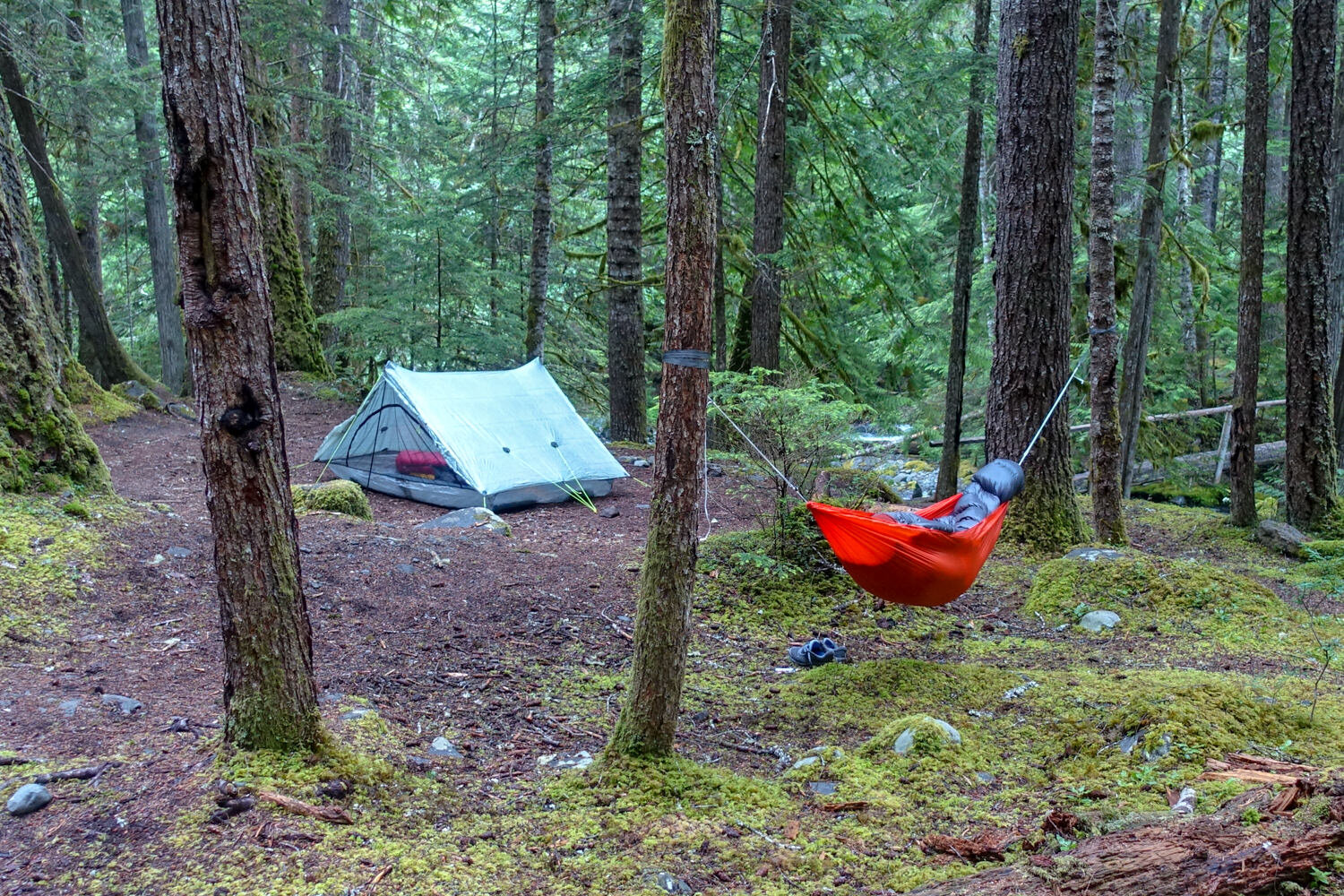
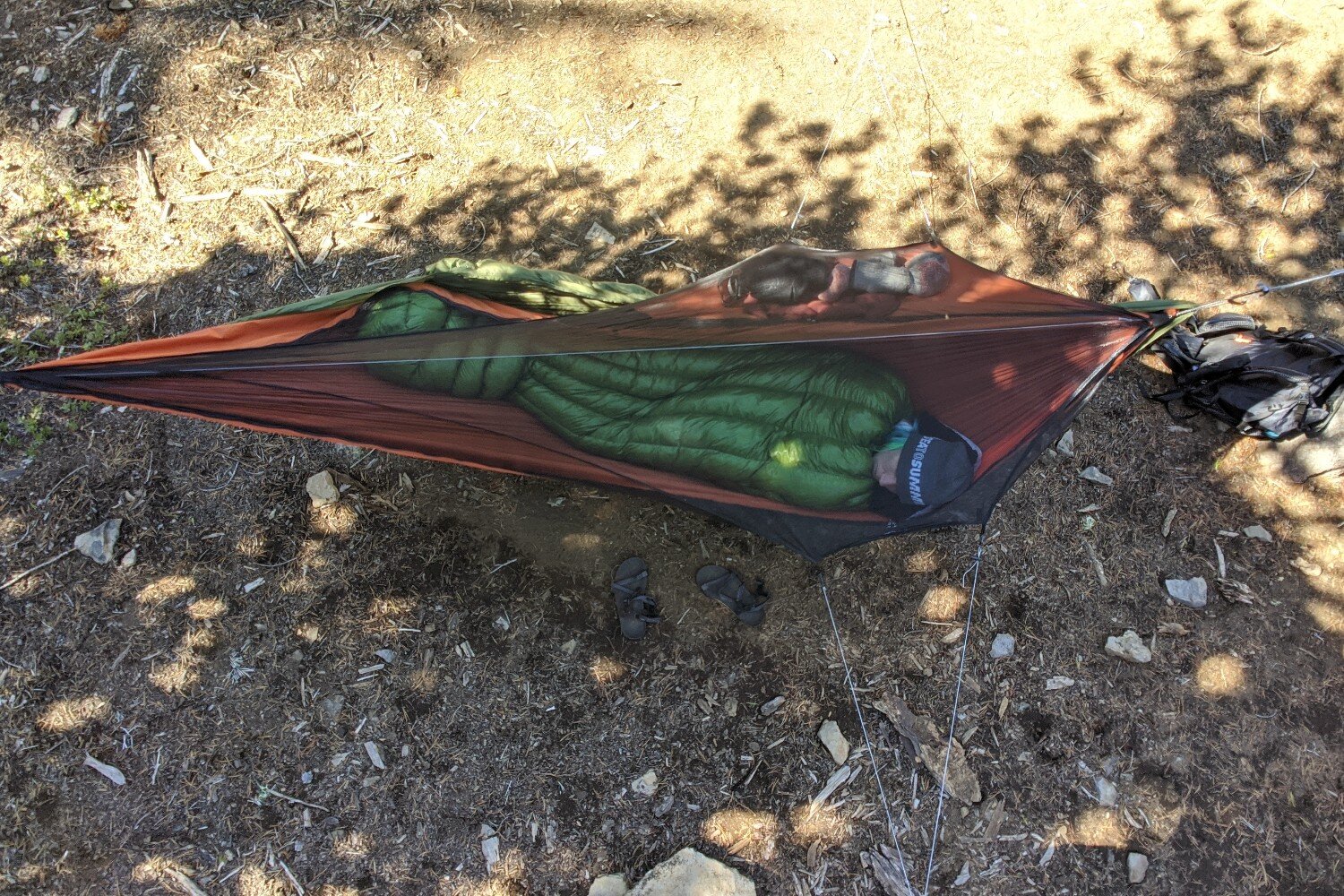
The most comfortable position for most hammock users is lying diagonally. Instead of forcing your head and feet up the steepest part of the hammock, letting the head shift to one side and the feet to the other allows both of them to lie lower in the hammock, resulting in a flatter body position.
Asymmetrical hammocks are designed for lying in one particular direction, with bug nets that only work in that orientation. The bug net is much lighter as a result, and it stays nicely tensioned and out of your face when sleeping.
The downside is that you’re locked into one direction. For most people, this isn’t a big deal, but some will appreciate the ability to switch sides. You can achieve this with symmetrical designs, which are typically heavier and often feature bug nets that require side pulls to keep the mesh out of your face.
Which Features Matter for a Camping Hammock?
The best features are the ones that enable better comfort and usability without adding much weight. A ridgeline is at the top of our list – a length of cord running between the two gathered ends of the hammock body. This ensures the curve of the hammock is consistent with every setup. It also takes the tension off of the actual hammock fabric, which improves overall comfort.
A ridgeline can be easily added to any hammock, but we recommend buying from a reputable brand. Look for quality UHMWPE and/or Dyneema fibers. The sweet spot for ridgeline length is about 83% the length of the hammock body.
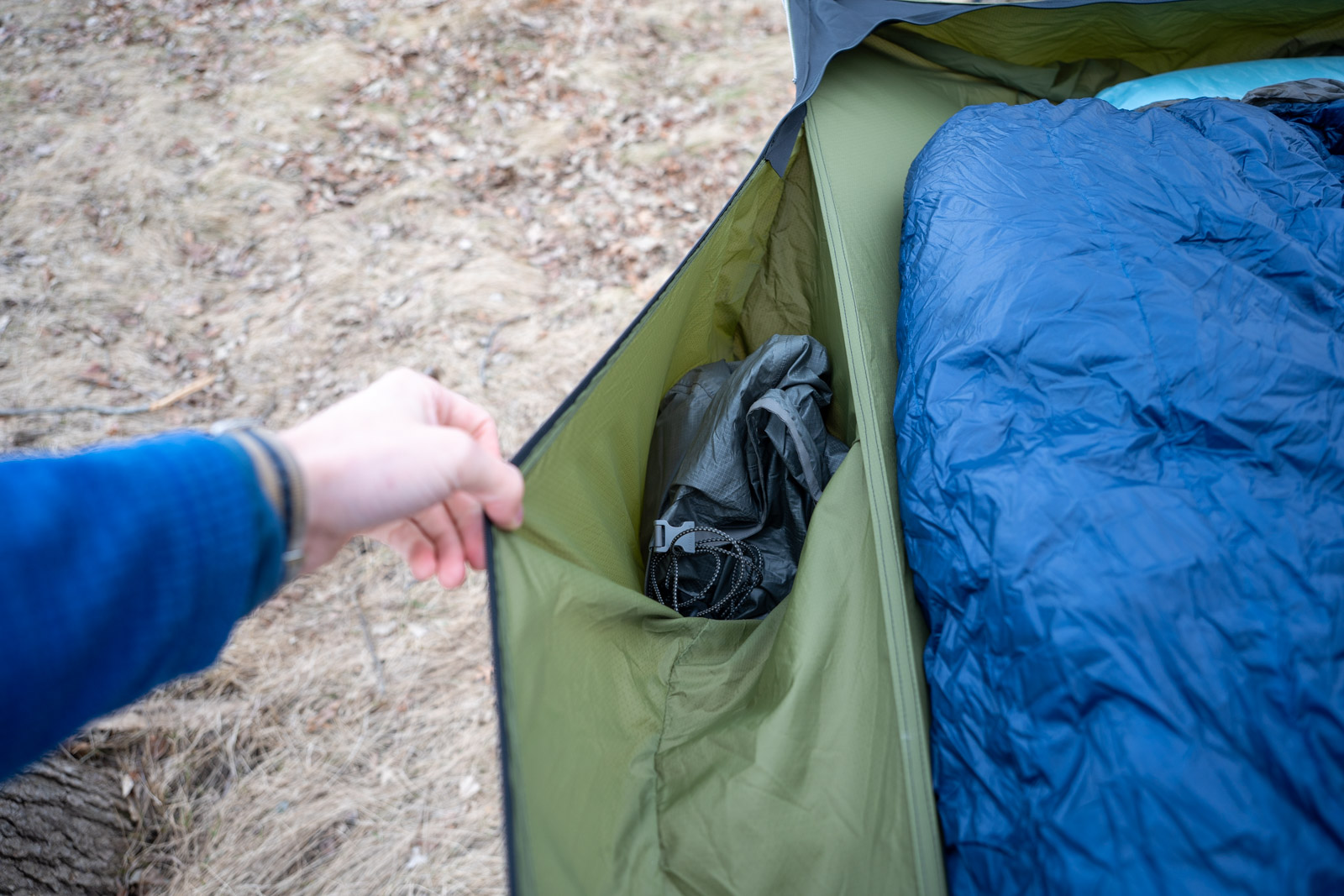
Internal storage is more important than you might think. It’s true you can leave your backpack on the ground under you for access to all your gear, but unzipping and rezipping the bug net gets tedious, and you risk letting bugs in. Our favorite built-in storage is a large gear shelf that slopes down the opposite side of the hammock. This allows you to stash a puffy jacket, headlamp, phone, or even an extra sleeping pad in winter if your underquilt isn’t warm enough.
We also like ridgeline organizers, which hang from the ridgeline and have various pockets for organization. There are countless designs available, and your favorite will largely depend on your unique storage needs. Side pockets and pouches at the head and foot ends can be helpful, too. These are often sewn directly into the hammock body along the sides or hung from the ridgeline at either end.
Other features that matter are side pulls and spreader bars, both of which help keep the bug net away from the face. Between the two, a spreader bar is far more luxurious but adds considerable weight and bulk. Side pulls are a lightweight solution that pull the fabric out at the head area (and sometimes the foot region, too) to help keep the mesh out of the way and maintain the hammock’s shape.
A fully removable bug net might be appealing if you do a lot of winter camping or enjoy lounging during the day without a net getting in the way. The added complexity will add a bit of weight, although some manufacturers sell other types of top covers to zip into your hammock body.
Should You Use an Underquilt or Sleeping Pad?
Staying warm in a hammock is harder than you might think. Many first-time hammockers snuggle into their sleeping bags only to wake up with the fabled “cold butt syndrome” due to compressed insulation not adequately keeping parts of the body warm.
The unfortunate reality of hammocks is that they are not inherently warm. In fact, they are colder than sleeping on the ground. The enemy here is air turbulence that only gets worse as the wind picks up, sucking heat away from a sleeping hammocker much faster than if they were on the ground.
The two solutions are sleeping pads or underquilts. Pads are the more straightforward option – the same ones you might use for backpacking. The biggest downside is that your shoulders often touch the sides of the hammock, leading to cold spots. Pads aren’t the most comfortable, either – it’s easy to fall off them in the middle of the night, and it can be hard to find a sweet spot.
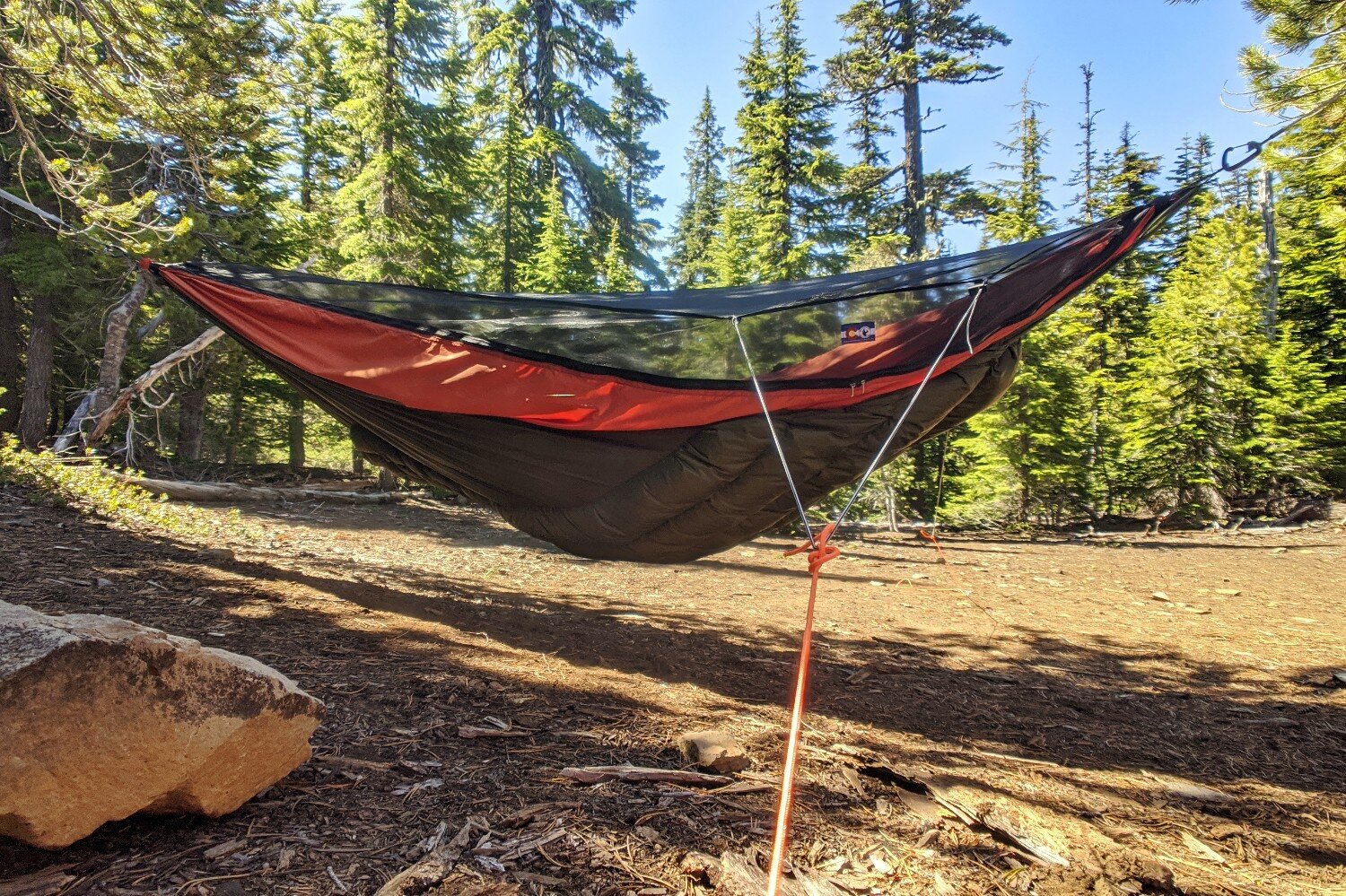
To combat this, some hammocks are made with two layers, with the intention being to place the pad in between so it stays in place. The far more common solution is an underquilt. It’s exactly what it sounds like: a quilt that goes under your hammock and wraps around your body for warmth. Underquilts are super comfortable and don’t get in the way, although they can be quite expensive since they’re typically made with down. They also generally fall short of inflatable pads in terms of weight and packability.
For serious backpackers, an underquilt is a no-brainer. If you’re just starting your search, keep an eye out for underquilts with hooks on the side. These are designed to attach to loops at the edges of your hammock, effectively connecting the two.
Should You Buy a Complete Kit or Assemble Your Own?
A hammock body is only part of the system that keeps you dry and comfortable in the backcountry. Choosing a suspension and tarp is the other half, and the amount of options can either be exciting or completely overwhelming. That’s why all-in-one kits exist, and they’re a great way to get into hammocking without much fuss. Kits generally include everything necessary for you to get out and start hanging, although some omit stakes.
There are some kits we really enjoy, but most hammockers will eventually assemble their own kit. Though generally more expensive, customizing your kit will allow you to tailor weight, comfort, and other metrics to best suit your preferences. Even at the budget end, assembling your own setup has clear advantages over an all-in-one kit – with convenience being the biggest sacrifice.
Why Trust CleverHiker
The CleverHiker team has spent more than 2,000 nights enjoying the wonders of the outdoors.
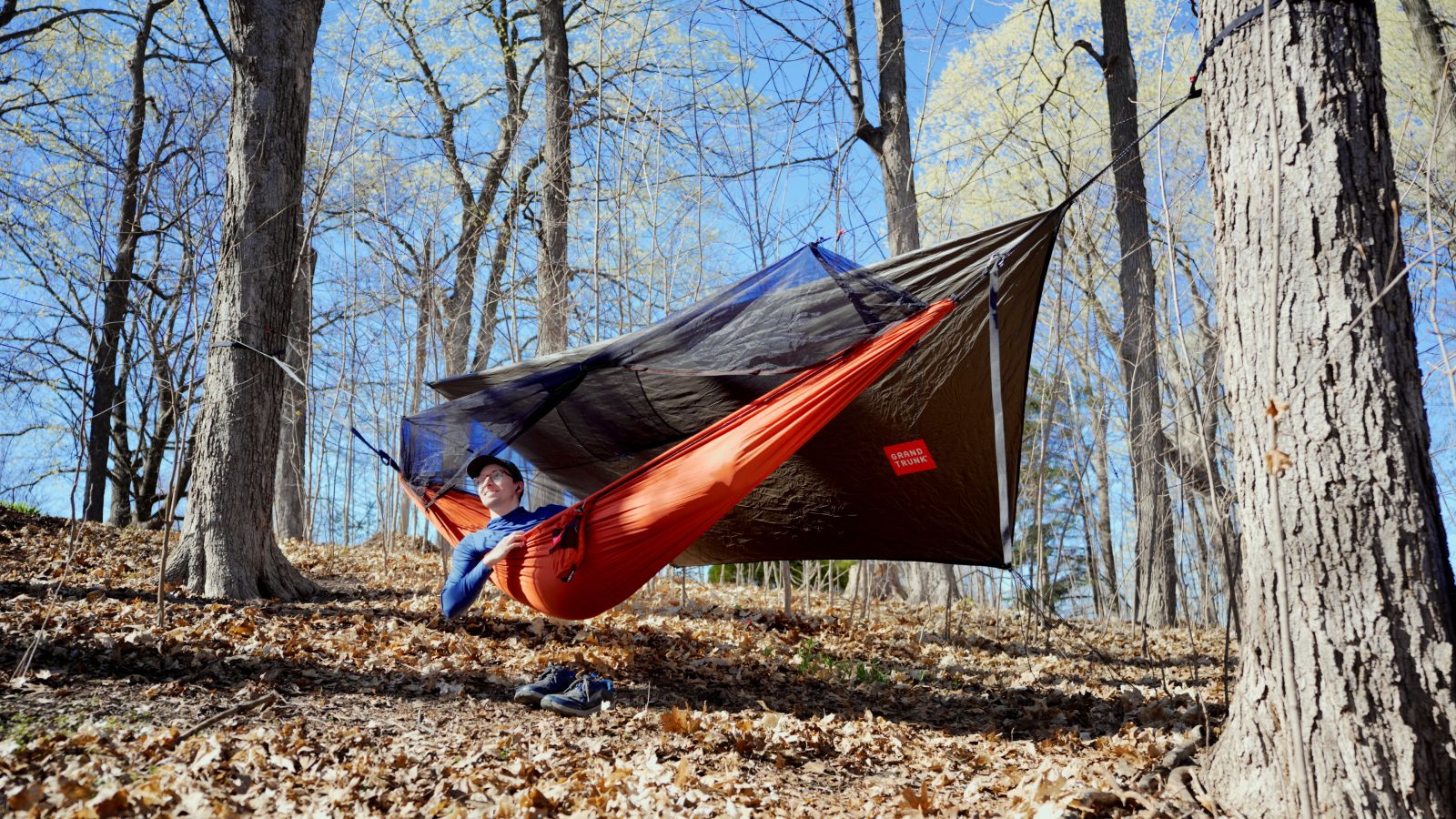
Gear analyst Taylor Passofaro has lost track of how many nights he’s hammocked in the Boundary Waters deep in winter, along Minnesota’s Superior Hiking Trail, and on adventures across the country. With thousands of miles logged on thru-hikes of the Superior Hiking Trail, Pacific Crest Trail, Tour du Mont Blanc, and others, Taylor is obsessed with spotting unique gear on the trail. His engineering background helps inform his data-driven approach to testing.

Testing Methodology
How Do We Test Comfort?
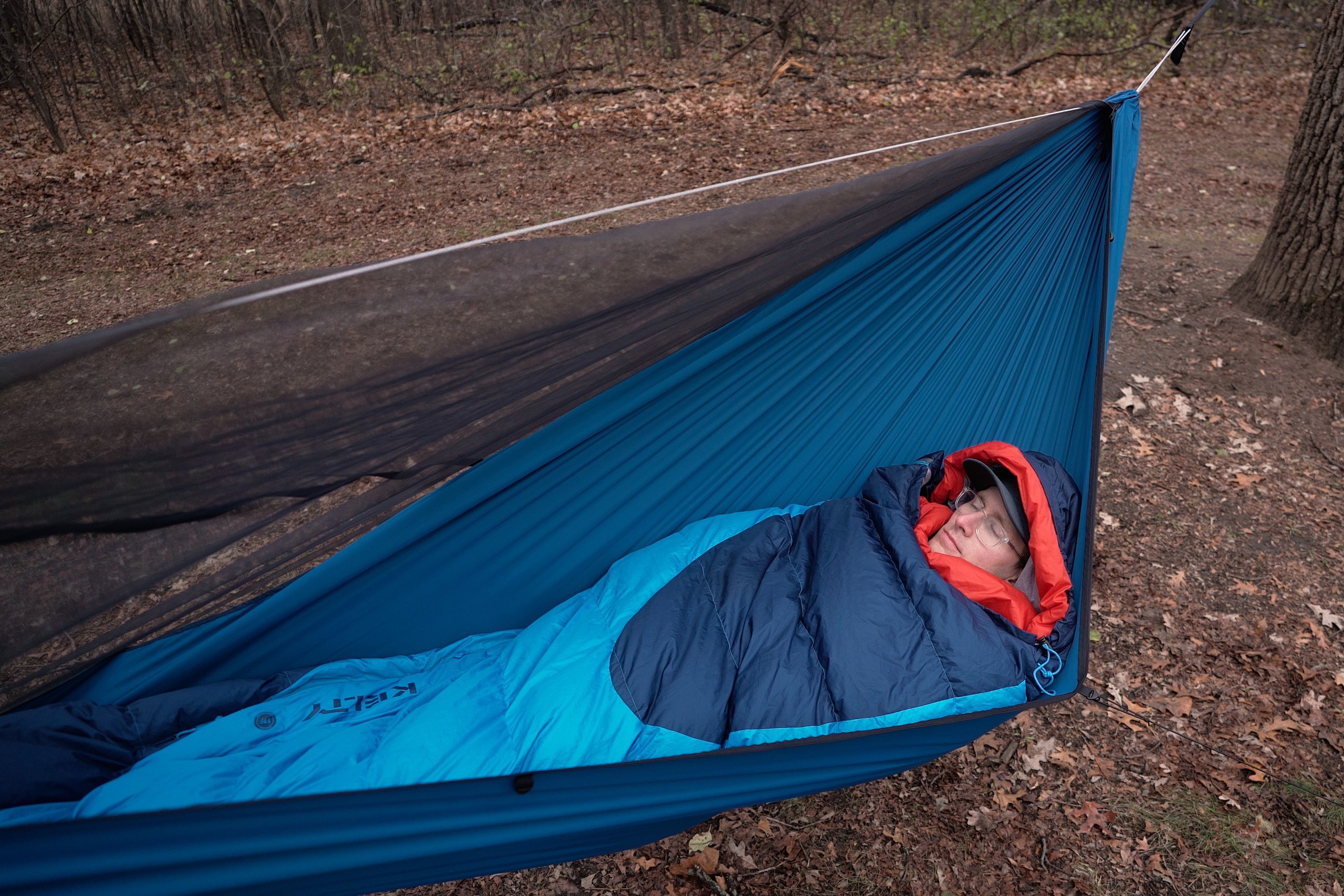
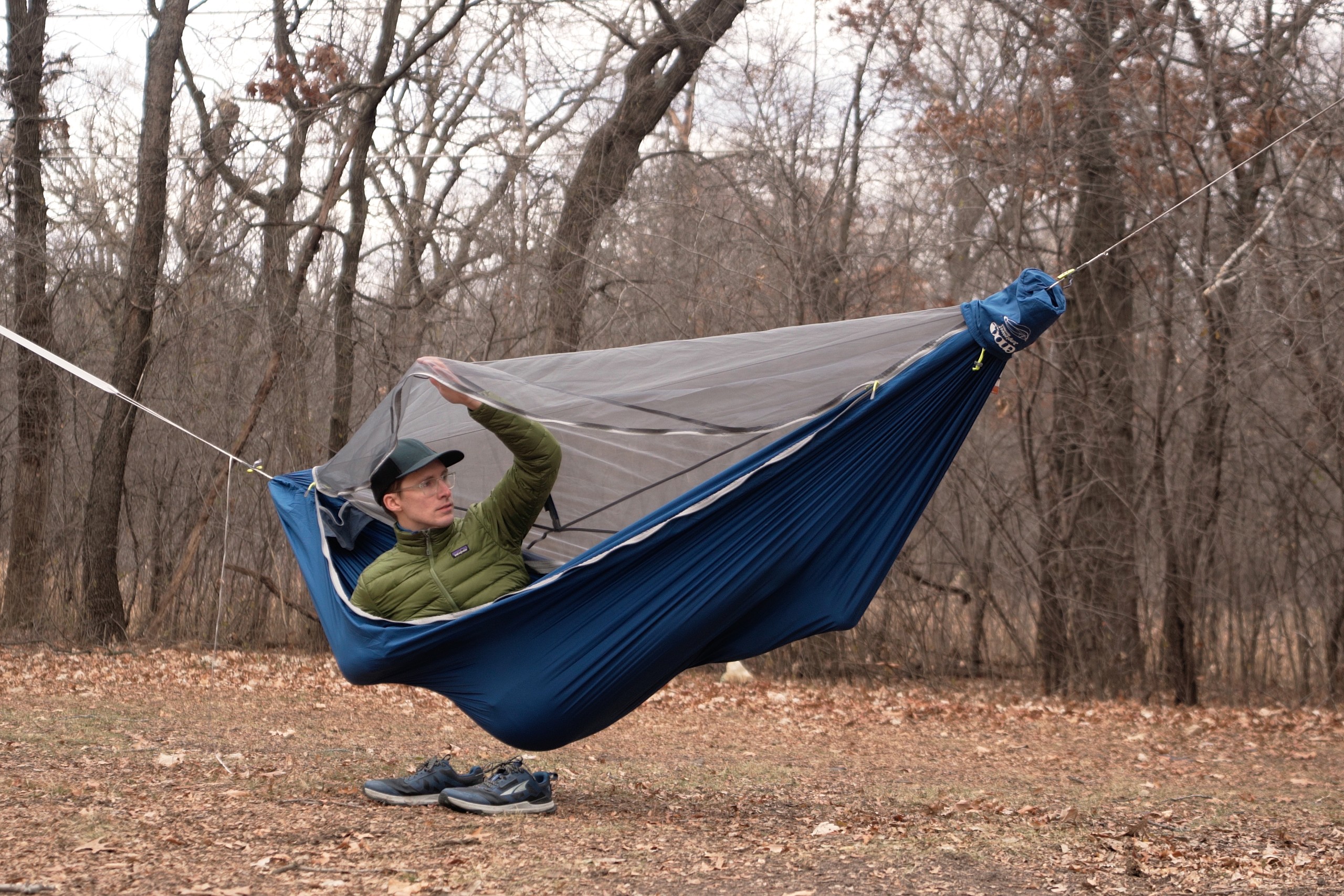
Comfort is always a subjective measurement, but to help get a broader idea, we had three people of different heights – 5’5”, 5’9”, and 5’11” – test out each hammock. One person had no prior hammock camping experience, the second had done it once or twice, and the third – our lead tester – has lost track of how many nights they’ve spent outdoors wrapped in nylon.
We compiled the scores and added points for soft fabrics, good bug net management, and interior organization. We removed points for cramped netting and other subpar components and design choices. Hammocks were assessed with and without sleeping pads.
How Do We Assess Features?
Most hammocks are simple, so counting features is relatively easy. Do they have good pockets, ridgelines, smooth zippers, stabilizing shock cords, and extras like pad sleeves or glow-in-the-dark zipper pulls? We evaluated these features in use to see if they were truly useful or just a gimmick. We assigned points to those that we ended up using consistently in the field.
How Do We Measure Weight?
Each hammock was weighed at its minimum trail weight, which included all the features necessary to use but with extra items like replacement zippers excluded. We used a gram scale and zeroed it if we needed a box to hold the hammock components.
How Do We Assess Ease of Use?
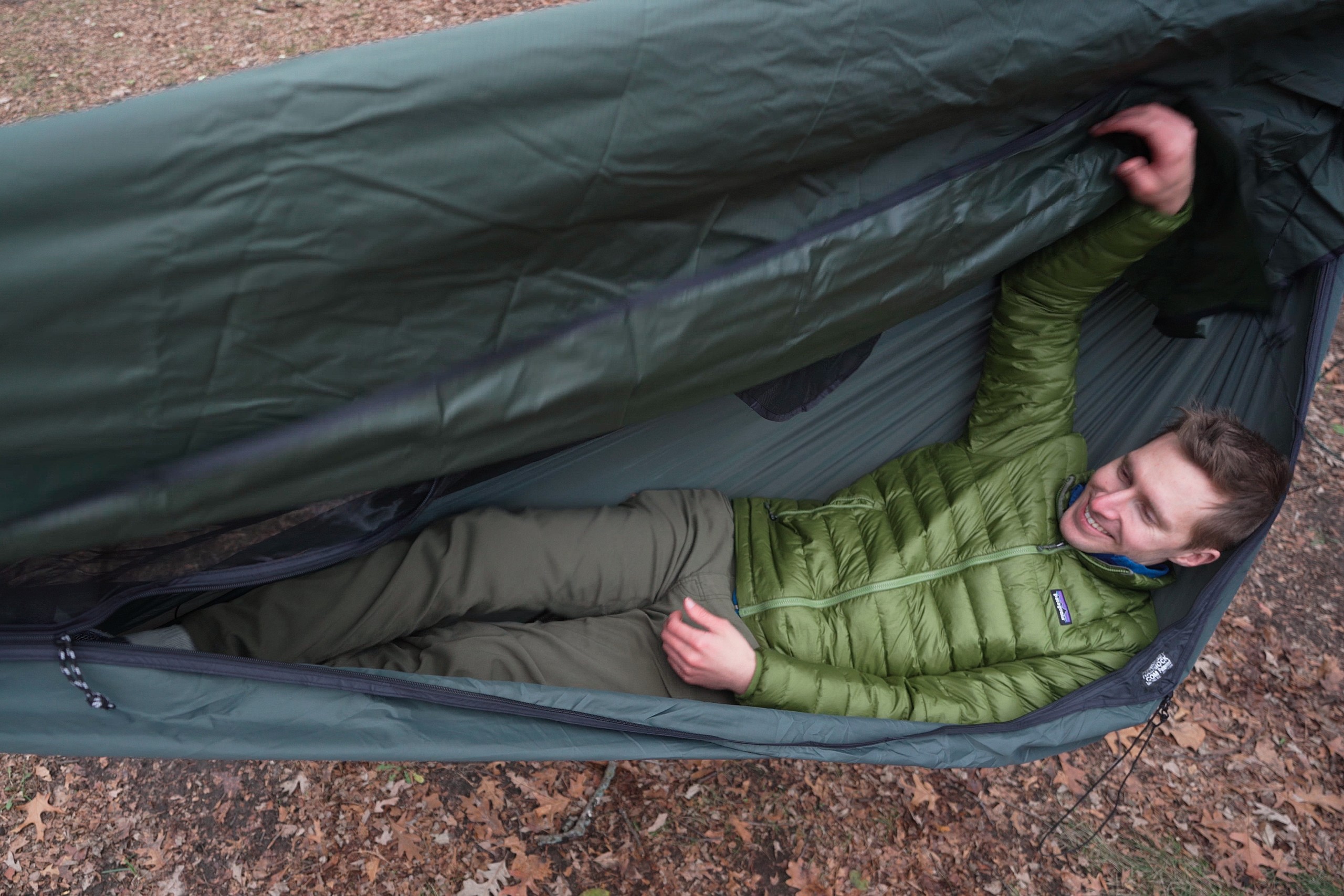
Our testing process includes introducing each hammock to experienced testers and inexperienced users alike. Our experienced testers used features in the field to see how they contributed to a smooth camp routine – and whether or not they held up over the long term. We asked inexperienced friends to try the same features to see if they were intuitive and comfortable for someone just starting out.
If we noticed inexperienced users struggling, points were deducted. Points were awarded when people went out of their way to comment on how convenient or easy something was.
Conclusion
Hammocking is one of the most enjoyable ways to spend a night – or even just an afternoon – in nature. Our top picks offer excellent long-term value for folks curious about trying out life above the ground, enabling more people to keep exploring when tents and pads don’t work anymore. Keep wandering, find some good trees, and enjoy the hang!